How To Tell If Your Car Glass Needs Replacement Today
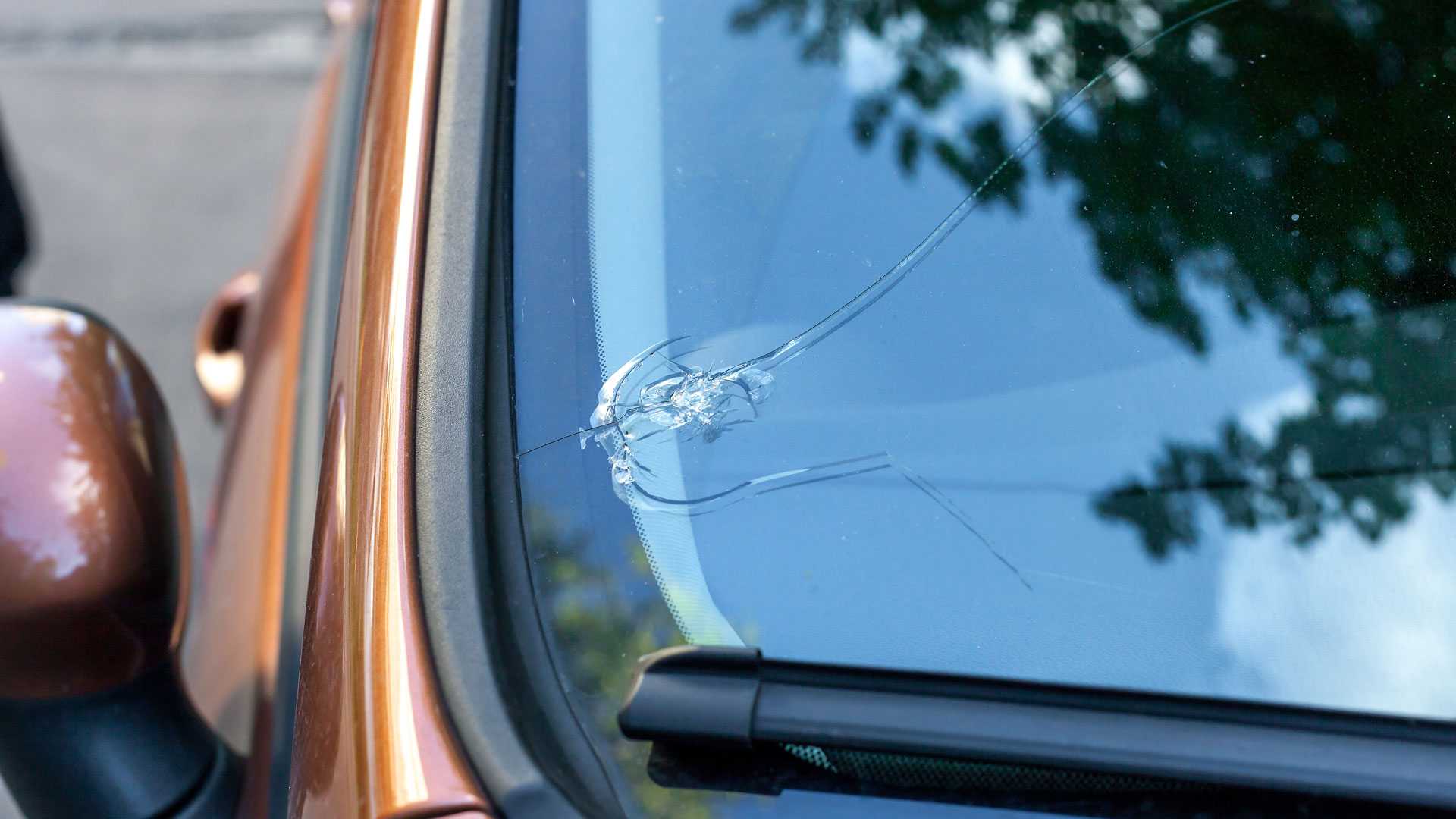
If your car glass shows signs of cracks, chips, or extensive damage, it’s time to consider replacement to ensure your safety and maintain your vehicle’s integrity. The easiest way to tell if your windshield needs replacing is by looking for visible damage like large cracks, persistent chips, or warping. Additionally, if the glass impairs your vision or the damage keeps spreading, it’s a clear sign that repairs won’t suffice.
In short, replace your car glass when cracks or chips become too large, deep, or obstruct your view, or if the damage is in the driver’s line of sight. Prompt replacement helps prevent further damage and keeps you safe on the road.
Cracked or chipped car glass isn’t just a cosmetic issue; it can compromise your safety and the structural integrity of your vehicle. Tiny chips may seem minor but can quickly turn into dangerous cracks, especially with temperature changes or vibrations from driving. If cracks are spreading or the glass is shattering, it’s crucial to get it checked and replaced promptly. Recognizing the signs early allows you to avoid more costly repairs later, keeps you safe, and ensures your vehicle remains roadworthy. Regular inspections, especially after accidents or hailstorms, help catch these issues before they worsen. Ultimately, maintaining clear, damage-free glass isn’t just about looks—it’s about protecting yourself and other road users.

How to tell if your car glass needs replacement
1. Recognize visible cracks and chips
Cracks and chips are the most obvious signs that your car glass needs attention. Small chips often appear as tiny circles or star-shaped marks on the surface. Larger cracks may stretch across the windshield or side windows, weakening the glass’ structure. Keep an eye on these damages because they can grow over time, especially when exposed to temperature changes or vibrations.
2. Understand the severity of cracks and chips
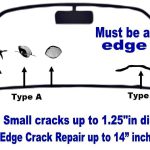
Not all cracks require immediate replacement. Minor chips, especially those smaller than a quarter, can sometimes be repaired. However, if the crack extends a few inches or runs across the entire glass, replacement is usually necessary. Cracks that are sharp, deep, or have jagged edges tend to compromise the integrity of the glass more quickly.
3. Examine for star-shaped or spiderweb cracks
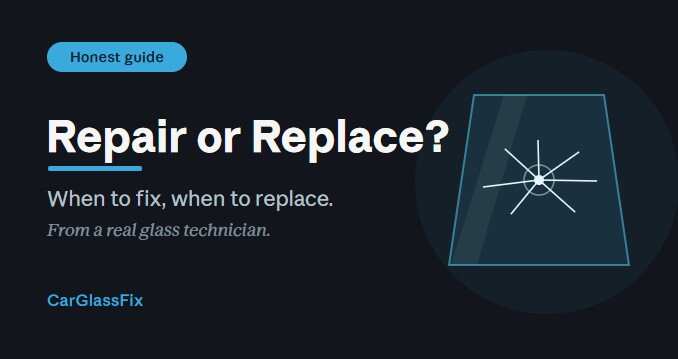
Star-shaped cracks radiate outwards from a central point, resembling a starburst. Spiderweb cracks appear as numerous fissures spreading across the windshield. These types of damage are especially concerning because they can weaken the glass and impair visibility, making replacement the safest option.
4. Check for distortion and visibility issues
If your view through the windshield appears blurry or distorted, it could be due to internal glass damage or multiple cracks. Even minor damages that do not seem significant on the surface can interfere with your line of sight, especially when driving in bright sunlight or at night.
5. Look for signs of fogging or moisture trapped inside the glass
Moisture or fog buildup inside double-pane windows signals a broken seal. This can cause the glass to become cloudy or hazy, reducing visibility. If cleaning doesn’t clear the fog, replacement might be needed, particularly for insulated or heated glass.
6. Notice any unusual sounds when driving
Unusual noises such as rattling or whistling can indicate loose or damaged glass. This is often caused by cracks or chips that have compromised the snug fit of the glass within the frame. These sounds suggest the need for a professional inspection and potential replacement.
7. Monitor for compromised safety features
Modern car glass often contains embedded sensors for rain detection, lane departure warnings, or light adjustments. Damage to the glass can impair these features, especially if cracks interfere with sensor placement. Replacement is necessary to ensure all safety systems function correctly.
8. Consider the location of damage
Damage on the driver’s side or near the edges of the window is more critical. Cracks in these areas are more likely to weaken the overall structure of the glass and compromise safety. Chips or cracks in the driver’s line of sight should prompt immediate inspection and possibly replacement.
9. Evaluate the impact on your ability to see clearly
Any damage that obstructs your view, even slightly, should be a red flag. A clear view is essential for safe driving, and damages that cause glare or reflections can be dangerous. If repairs won’t restore full visibility, replacing the glass is the best choice.
10. How weather affects cracks and chips
Extreme temperatures can cause existing cracks to expand or new damage to occur. Cold weather makes cracks worse, while heat can weaken the glass structure. Regularly inspect your glass during seasonal changes and note any increased damage, which could mean replacement is needed.
11. The role of professional inspections
Regular professional inspections can help identify damage early before it worsens. Experts use special tools to assess the structural integrity of the glass, determining whether repair or replacement is the best course of action. Don’t wait for visible damage—schedule periodic checks.
12. When to seek immediate replacement
If your windshield or windows have large cracks, multiple chips, or any damage obstructing your view, replace the glass as soon as possible. Prompt action ensures safety, preserves the structural integrity of your vehicle, and prevents further damage that can increase costs.
13. Consider additional signs of glass deterioration
Other signs include bubbling paint, delamination, or cracking on the inside of the glass. These issues can weaken the entire window, especially in double-pane or laminated glass, signaling the need for replacement.
14. The importance of adhering to legal requirements
Many regions have laws about the minimum damage size allowed on car glass. If your damage exceeds these limits, replacement might be legally necessary. Driving with damaged glass can also result in fines or penalties, so stay informed about local regulations.
15. When to get a professional evaluation
If you’re unsure about the severity of damage, consult a qualified auto glass technician. They can perform a thorough evaluation and recommend repair or replacement, ensuring your vehicle remains safe and roadworthy.
Related topics
How to choose the right auto glass replacement service
Cost factors involved in replacing car glass
DIY repair kits: are they effective?
The safety benefits of replacing damaged glass promptly
How to maintain your car glass for longevity
This detailed overview covers all the key signs and considerations that can help you determine if your car glass needs replacement. Regular checks, prompt repairs, and professional assessments can keep your vehicle safe and ensure clear visibility on every drive.
Know what to expect when you repair your windshield with Safelite AutoGlass
Frequently Asked Questions
What are visible cracks or chips indicating the need for glass replacement?
If you notice cracks or chips on your car glass that are enlarging over time or located in the driver’s line of sight, it’s a sign that the glass may need replacing. These damages compromise the structural integrity and can distract you while driving, making immediate replacement advisable.
How does the visibility of glass distortion or fogging signal a problem?
When your windshield or windows start to show distortion or fogging that doesn’t clear with cleaning, it suggests internal damage or adhesion issues within the glass. Such problems can impair your vision, especially at night or in certain lighting conditions, indicating the need for a replacement.
Why are recent impacts or damage on your car glass concerning?
If your car glass has sustained recent impacts from stones, debris, or accidents, even if it appears minor, these impacts can weaken the glass structure. Over time, this can lead to further cracking or shattering, making replacement necessary to ensure safety.
What role does the integrity of the glass frame play in telling if you need new glass?
When the frame around your car glass shows signs of warping, bending, or loosening, it can prevent a proper seal and lead to leaks or complete glass failure. Ensuring the frame remains solid and well-fitted helps determine whether the glass requires replacement.

Similar Posts