Laminated Glass Vs Bullet Resistant Glass: Which Is Better
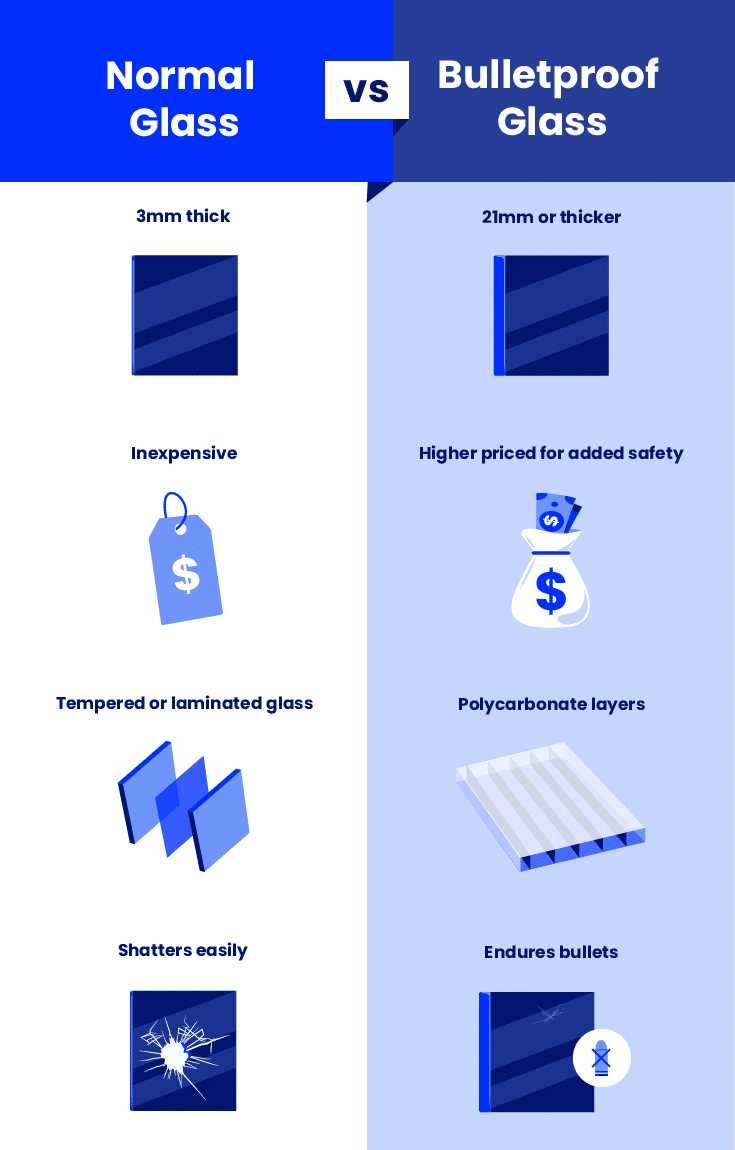
Laminated glass and bullet resistant glass each serve unique security needs, but choosing the right one depends on the threat level you’re facing. If you want a glass that stops everyday accidents or break-ins, laminated glass is generally enough. However, for high-risk situations like armed assaults or potential gunfire, bullet resistant glass provides superior protection.
In brief, laminated glass is ideal for everyday safety and vandalism prevention, offering excellent durability and shatter resistance. Bullet resistant glass, on the other hand, is specially designed to withstand firearm impacts, ensuring maximum security in high-threat environments. Understanding your specific security needs will help you determine which glass type best suits your space.
When it comes to safeguarding properties, the choice between laminated glass and bullet resistant glass can be crucial. Laminated glass is versatile, blending safety, security, and soundproofing into one product, making it perfect for commercial buildings, vehicles, and residential windows. Bullet resistant glass is a specialized solution used in banks, military facilities, or high-security zones where the threat of firearms is imminent. While both types of glass are layered for strength, their core differences lie in their purpose and level of protection. Making the right choice depends on assessing the potential risks and desired security level, ensuring you invest in the most effective barrier against threats.

Laminated Glass vs Bullet Resistant Glass: Understanding the Key Differences
Introduction to Glass Types
Laminated glass and bullet resistant glass are two common types of safety glass used in buildings and vehicles. Both are designed to protect people from harm, but they serve different purposes and have unique features. Understanding their differences helps in choosing the right glass for specific security needs.
What Is Laminated Glass?
Laminated glass consists of two or more sheets of glass bonded together with a special plastic layer, usually polyvinyl butyral (PVB). This plastic layer holds the glass pieces together if broken, preventing dangerous shards from flying around. It is widely used in car windshields and security windows.
How Laminated Glass Is Made
The manufacturing process involves stacking glass sheets with the plastic interlayer. These layers are then heated and pressed into a single sheet, creating a strong, bonded structure. The process ensures durability and crack resistance, making laminated glass a popular choice for safety applications.
Advantages of Laminated Glass
- Prevents shattering into sharp pieces
- Blocks most UV rays
- Provides sound insulation
- Can incorporate tinted or decorative films
- Relatively affordable compared to specialized security glass
What Is Bullet Resistant Glass?
Bullet resistant glass, also known as ballistic glass, is designed specifically to withstand gunfire and other high-velocity impacts. It consists of multiple layers of glass and plastics, which are engineered to absorb and dissipate the energy from bullets.
How Bullet Resistant Glass Is Made
This type of glass combines layers of laminated glass with polycarbonate or other strong plastics. The number of layers and their thickness determine the level of protection. For example, a 12-layer construction might stop a pistol bullet, while thicker versions can resist rifle rounds.
Levels of Bullet Resistance
Bullet resistant glass is classified into different levels based on standards such as UL 752 or NIJ. These levels range from Level 1, which resists handguns, to Level 8 and above, which can withstand high-powered rifle shots. Selecting the right level depends on the threat level expected.
Key Differences Between Laminated and Bullet Resistant Glass
While both types protect against impacts, they differ significantly in purpose and construction. Laminated glass focuses on preventing injury from accidental or forced entry impacts, whereas bullet resistant glass is tailored to resist firearm threats.
Impact Resistance
Laminated glass withstands typical impacts like hail, accidental hits, or forced entry attempts. Bullet resistant glass, however, must endure high-velocity projectiles without breaking.
Cost and Installation
Bullet resistant glass generally costs more due to complex manufacturing and thicker layers. Installation may also be more complicated because of its weight and size. Laminated glass is easier to install for everyday safety and security.
Thickness and Weight
Bullet resistant glass is often thicker and heavier because it contains multiple layers of glass and plastics. Laminated glass is usually thinner but still offers significant protection against impacts.
Applications of Laminated Glass
Laminated glass suits many everyday security needs, including:
- Automobile windshields
- Commercial building windows
- Security doors and partitions
- Sunroofs with added safety features
Its affordability and ease of use make it a popular choice for many security-conscious environments.
Applications of Bullet Resistant Glass
Bullet resistant glass is essential in high-threat environments, such as:
- Bank vaults and security rooms
- Military vehicles and embassies
- Luxury jewelry stores
- Government buildings
- High-security transportation vehicles
It offers peace of mind where firearm threats are a concern.
Comparison Table: Laminated Glass vs Bullet Resistant Glass
| Feature | Laminated Glass | Bullet Resistant Glass |
|---|---|---|
| Primary Use | Impact and shattering prevention | Protection against gunfire and high-velocity impacts |
| Construction | Layers of glass bonded with PVB or similar plastics | Multiple layers of laminated glass and plastics designed for ballistic resistance |
| Cost | More affordable, cost-effective for general impact safety | More expensive due to specialized materials and construction |
| Thickness | Usually 6-12 mm | Usually 20 mm or more, depending on protection level |
| Weight | Moderate, easier to handle and install | Heavier, requires reinforced supports |
| Impact Resistance | Resists typical impacts and forced entry | Resists firearms and high-impact projectiles |
| Durability | High, cracks can be repaired or replaced easily | Extremely durable, designed for long-term ballistic protection |
| Common Applications | Automobiles, storefronts, glass partitions | High-security buildings, military vehicles, financial institutions |
Choosing the Right Glass for Your Needs
Selecting between laminated and bullet resistant glass depends on your security requirements. For everyday impact safety and UV protection, laminated glass is suitable. For high-level security against firearms, bullet resistant glass is the better choice.
Assessing Your Security Risk
Evaluate whether your environment faces threats like forced entry, vandalism, or firearm attacks. This assessment helps determine the appropriate level of protection needed.
Budget Considerations
Budget plays a role in decision-making. Laminated glass offers affordable impact protection, while bullet resistant glass provides specialized safety at a higher cost.
Installation and Maintenance
Consider the ease of installation and maintenance. Laminated glass is lighter and easier to handle, whereas bullet resistant glass requires reinforced support structures for installation.
Related Topics
In addition to laminated and bullet resistant glass, other safety glass options include:
- Tempered Glass: Strengthened for impact resistance but breaks into small pieces
- Reflective and Tinted Glass: Offers privacy and UV protection
- Smart Glass: Can switch between opaque and transparent states
- Fire-Resistant Glass: Designed to withstand high temperatures and prevent fire spread
Understanding the Limitations of Each Glass Type
While laminated glass prevents shattering into dangerous shards, it may crack under strong impacts. Bullet resistant glass, although highly effective against projectiles, is not impervious and can be compromised under extreme conditions or prolonged fire.
Innovations in Glass Technology
Recent advancements include lightweight ballistic glass, improved impact resistance coatings, and incorporating security features like alarms or sensors within the glass. These innovations enhance safety and ease of use.

Similar Posts