Why Does My Windshield Keep Cracking Causes And Tips
Have you ever wondered why your windshield keeps cracking despite your careful driving? The answer might surprise you—it’s often caused by a combination of temperature fluctuations, poor installation, or tiny chips that worsen over time. Addressing these issues early can save you money and the hassle of constant replacements.
In short, your windshield may keep cracking due to thermal stress from extreme weather, existing damage that expands with temperature changes, or improper installation that leaves weak spots. Recognizing these common culprits can help you prevent future cracks and maintain the safety and integrity of your vehicle.
Constant cracking can be frustrating, especially when it seems to happen out of nowhere. Many drivers face this issue, but understanding the root causes can make all the difference. Temperature swings from hot sun to cold nights cause the glass to expand and contract, which can lead to cracks over time. Additionally, small chips or flaws left unrepaired weaken the windshield, making it more vulnerable to cracks from road debris or impact. Poor installation errors, like inadequate adhesive or improper fitting, can also create stress points where cracks originate. By being aware of these factors, you can take steps to protect your windshield, get repairs when needed, and avoid the cycle of ongoing damage.

Why Does My Windshield Keep Cracking?
Understanding Common Causes of Windshield Cracks
Cracks in your windshield can happen for many reasons. Sometimes, they seem to appear out of nowhere, leaving you confused about what caused them. Knowing the common causes helps you prevent future damage and keep your windshield safe.
Temperature Changes and Their Impact
Fast changes in temperature can weaken your windshield glass. For example, pouring hot water on ice or blasting your heater while driving at high speeds can cause the glass to expand or contract quickly. This sudden shift creates stress inside the glass, leading to cracks.
Sun Exposure
Prolonged exposure to direct sunlight can weaken the windshield material. The heat builds up, making the glass more susceptible to cracking. Parking in shaded areas or using a sunshade can protect your windshield from UV damage and temperature stress.
Physical Damage and Impact
Hitting a pothole or getting hit by debris like rocks or sticks often causes cracks. Even minor impacts can create stress points in the glass, especially if the windshield isn’t in perfect condition. Always check for chips or small cracks that could grow larger over time.
Environmental Factors That Contribute to Cracks
Outside conditions can influence the lifespan of your windshield. High winds, heavy storms, and other weather-related factors can cause or worsen cracks.
Hailstorms and Falling Debris
Hailstorms can create multiple dents and cracks on your windshield. Falling branches or other debris during storms can also hit your glass with enough force to cause cracks or chips.
Extreme Weather Conditions
Cold weather causes the glass to become brittle, increasing the chance of cracks. Conversely, hot weather makes the glass expand, which can lead to stress cracks, especially if the windshield has existing chips.
Frequent Temperature Fluctuations
Regions with rapid shifts from hot to cold weather pose a higher risk for windshield cracks. The continuous expansion and contraction of the glass weaken it over time, making it more prone to breaking.
The Role of Manufacturing and Installation Issues
Poor quality glass or improper installation can cause your windshield to crack more easily over time. Understanding these issues helps you identify potential problems early.
Low-Quality Glass Materials
Some windshields are made with inferior materials that are less resistant to stress. Cheaper glass may crack faster when subjected to temperature changes or impacts.
Incorrect Installation Techniques
If a windshield isn’t installed properly, it may not sit correctly in the frame. Gaps or misalignment create weak points that are more likely to crack under pressure.
Faulty Adhesives and Sealants
Using substandard adhesives can cause the windshield to become loose or develop micro-cracks. Proper sealing prevents water and debris from entering and reduces stress on the glass.
Maintaining Your Windshield to Prevent Cracking
Good maintenance habits can extend the life of your windshield and reduce the risk of cracking.
Regular Inspection for Chips and Cracks
Check your windshield frequently, especially after driving on rough roads or in storms. Small chips can be repaired before they turn into larger cracks.
Prompt Repairs of Small Cracks
Address tiny cracks or chips as soon as possible. Repairing early prevents the damage from spreading and keeps your windshield strong.
Avoiding Sudden Temperature Changes
Don’t pour hot or cold liquids on your windshield or blast extreme heat or cold directly onto it. Gradual temperature changes help reduce stress on the glass.
Proper Cleaning and Care
Use gentle cleaning solutions and soft cloths. Avoid abrasive materials that can scratch or weaken the glass surface.
How to Protect Your Windshield During Driving
Certain driving habits can lessen the chances of cracks developing or worsening over time.
Maintain Safe Following Distances
Keeping a safe distance from other vehicles prevents rocks or debris from hitting your windshield during acceleration or braking.
Avoid Gravel Roads When Possible
Driving on unpaved or gravel roads increases the risk of impact damage. If unavoidable, drive slowly and carefully.
Use Caution in Bad Weather
Reduce speeds during storms or high winds. Protect your windshield from flying debris and hail by parking in sheltered areas when possible.
Install a Sunshade or Tint
Using sun protection reduces heat buildup and minimizes stress on your windshield caused by temperature fluctuations.
When to Seek Professional Help
Knowing when to consult a windshield repair expert is vital for safety and durability.
Signs Your Windshield Needs Repairs
Look for small chips, star cracks, or spider-web cracks that spread quickly. These indicate the need for professional assessment.
Choosing the Right Repair Service
Select certified technicians with good reviews. Proper repair can prevent cracks from worsening and maintain your vehicle’s safety.
Replacing Your Windshield
If cracks are large, or the damage affects your line of sight, replacement might be necessary. Always follow manufacturer guidelines and professional recommendations.
Summary of Key Points
Understanding why your windshield keeps cracking involves recognizing multiple factors. Temperature extremes, environmental impacts, manufacturing issues, and maintenance habits all play a role. Taking proactive steps, such as regular inspections and careful driving, can help keep your windshield intact longer.
Incorporating these tips and being aware of the common causes helps you prevent future cracks. Protecting your windshield preserves safety, maintains your vehicle’s appearance, and saves you money on repairs or replacements.
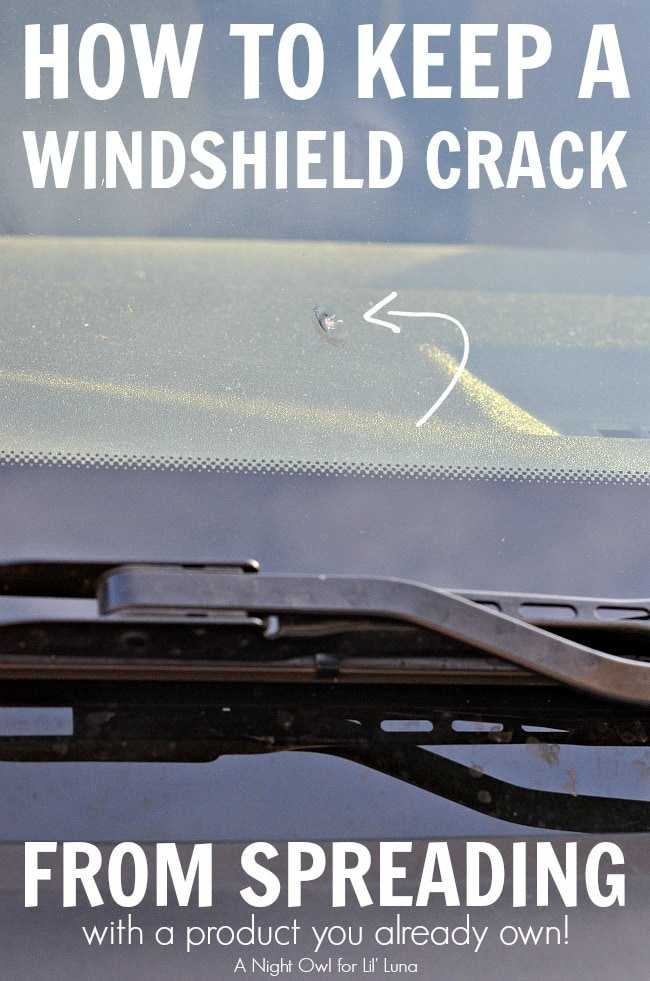
STOP windshield CRACK from Spreading
Frequently Asked Questions
What environmental factors can cause my windshield to crack repeatedly?
Environmental elements like extreme temperatures, direct sunlight, and fluctuating weather conditions can stress the windshield material. Sudden temperature changes cause the glass to expand and contract, leading to cracks over time. Additionally, debris carried by wind or storm conditions can chip or crack the glass, especially if the windshield is already weakened.
How does improper installation affect the likelihood of my windshield cracking?
Poor installation can create pressure points or improper sealing, which puts uneven stress on the glass. These irregularities may cause small cracks to develop and spread as the vehicle moves and experiences temperature shifts. Ensuring a professional and precise installation minimizes the risk of cracking caused by misalignment or weak adhesion.
Can my driving habits influence how often my windshield cracks?
Aggressive driving over potholes, rough roads, or speed bumps exerts sudden shocks on the windshield. These impacts can cause existing weaknesses to develop into larger cracks or initiate new fractures. Maintaining a cautious driving style, especially on uneven surfaces, helps reduce the strain on your windshield and prevents cracks from forming or worsening.
Are there specific materials or coatings that help prevent windshield cracking?
Some windshields are treated with protective coatings or made from advanced materials designed to absorb impacts better. These enhancements can reduce the chances of cracking from minor debris or stress. Regular inspections and choosing high-quality, treated windshields contribute to increased durability and resistance to damage.
Could previous repairs make my windshield more susceptible to cracking?
If previous repairs are not properly done, they can weaken the overall integrity of the windshield. Poorly filled cracks or chips may not hold up under stress, leading to new cracks or the expansion of existing ones. Always seek professional repair services and ensure that repairs meet safety standards to maintain the windshield’s strength.
Final Thoughts
Windshield cracks often result from sudden temperature changes, impacts, or poor installation. These factors weaken the glass over time, making it prone to cracking.
External elements like rocks or debris on the road can hit your windshield unexpectedly, causing chips or cracks.
Improper maintenance, such as ignoring small chips, worsens the damage.
Why does my windshield keep cracking? It usually stems from continuous stress and temperature fluctuations. Addressing issues early and preventing external damage can stop cracks from recurring.

Similar Posts