How To Stop Cracks From Spreading In Side Glass

To prevent cracks from spreading in side glass, quickly apply clear nail polish or a specialized glass repair resin along the crack to seal it. Avoid extreme temperature changes and handle the glass carefully to halt further damage. For persistent cracks, it’s best to consult a professional for proper repair or replacement.
If a crack appears in your side glass, acting fast is key to preventing it from worsening. The first step is to stabilize the crack with a quick fix like nail polish or resin to keep it from spreading further. Keep the glass away from sudden temperature shifts or impacts, and consider professional help if the damage is significant. Taking these simple precautions can save your glass from more extensive and costly repairs down the line.
Cracks in side glass can be nerve-wracking, especially when they seem to grow by the day. Whether it’s a window, car side glass, or any other fragile pane, knowing how to stop that crack from spreading can save you time, money, and stress. Cracks tend to widen over time due to temperature fluctuations, vibrations, or even just regular opening and closing. The good news is that with quick action and proper care, you can slow or even halt the damage before it becomes a bigger issue. This guide will walk you through simple, effective steps to manage cracks, protect your glass, and avoid costly replacements.

How to Stop Cracks from Spreading in Side Glass
Understanding Why Cracks Spread in Side Glass
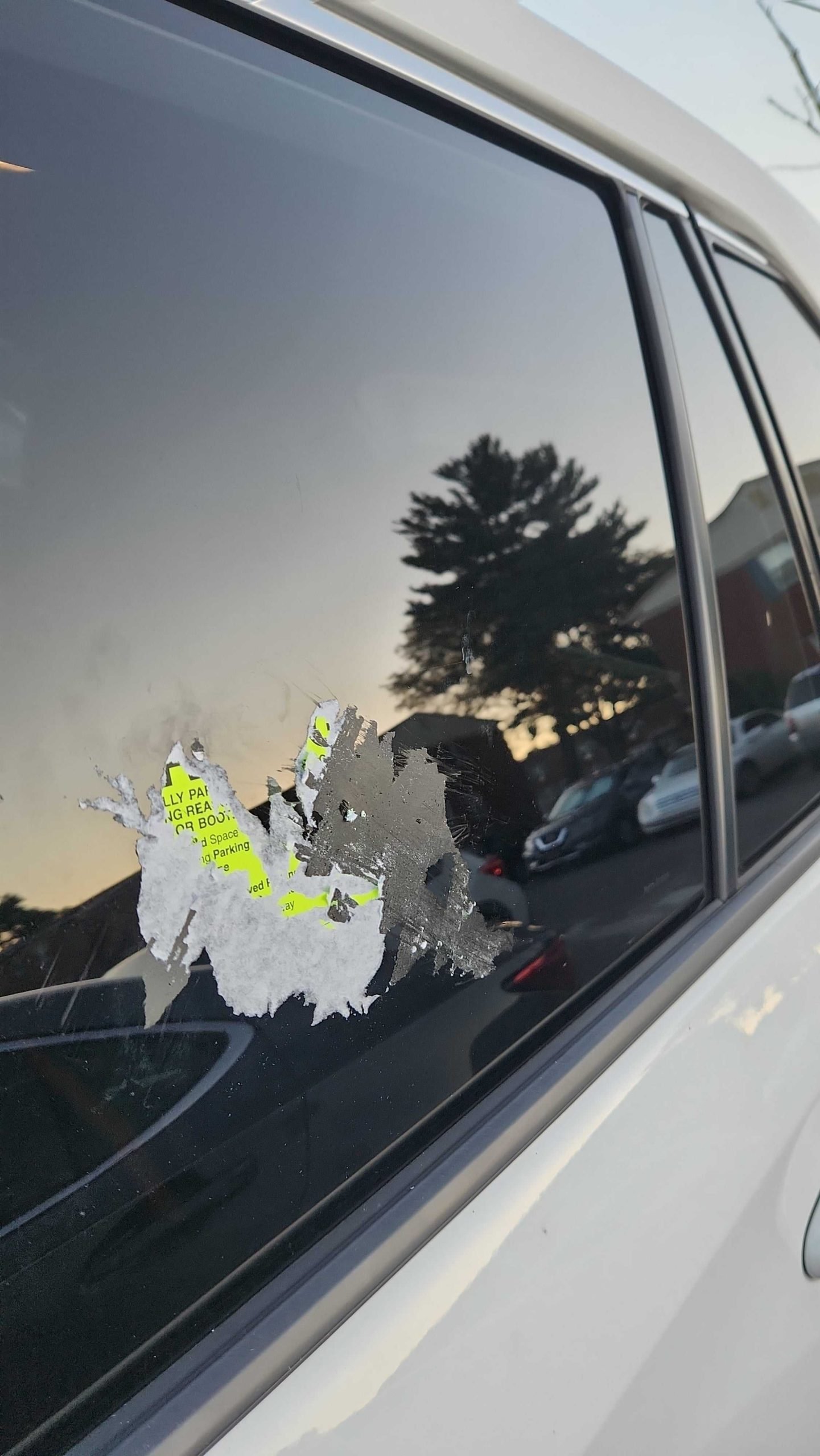
Cracks in side glass often start small but can quickly grow if not addressed. The main reason cracks spread is because of ongoing stress and temperature changes that cause the glass to expand and contract. If a crack is left untreated, it can weaken the entire panel and lead to breakage.
Factors like impacts, rough handling, and weak spots in the glass can make cracks more likely to spread. Recognizing these causes can help prevent further damage. It’s essential to act quickly once you notice a crack to stop it from becoming a bigger problem.
Immediate Steps to Take When You Notice a Crack
Once you see a crack in your side glass, don’t delay action. First, avoid applying pressure on the affected area. You should also keep the area clean and dry to prevent dirt from settling into the crack.
If possible, cover the crack with clear tape. This helps keep dirt out and prevents the crack from worsening due to moisture or debris. Taking these quick steps buys you some time before professional repair.
Assessing the Severity of the Crack
Not all cracks require the same response. Small, hairline cracks are easier to repair or stop, while larger cracks may need replacement. Look at the length, width, and shape of the crack to determine its severity.
A good rule is to consider whether the crack is less than a few centimeters long and does not run across the entire glass panel. Larger cracks that extend through the glass should be handled by professionals to ensure safety.
DIY Methods to Prevent Crack Spread
Some simple DIY tips can help prevent cracks from getting worse. Applying a clear epoxy or glass repair kit can seal the crack and stabilize the glass. These products are available at most hardware stores and are easy to use.
It’s important to follow the instructions carefully. Typically, you need to clean the crack thoroughly, apply the repair resin, and let it cure properly. This creates a temporary barrier that keeps the crack from expanding.
Using Epoxy or Resin for Crack Repair
Epoxy or resin provides a strong bond that prevents cracks from spreading further. First, clean the crack with a soft cloth to remove dirt and debris. Next, mix the epoxy or resin according to the package instructions.
Carefully fill the crack with the mixture, ensuring it penetrates deep into the fissure. After the resin hardens, you may need to sand or polish the surface for a smooth finish. Using epoxy is a good temporary fix until professional repairs can be made.
Professional Repair and Replacement Options
For larger or more complex cracks, hiring a glass specialist is the best choice. Professionals can assess the damage and recommend repair or replacement options.
Repairing the crack early can save money and prolong the life of the glass. Sometimes, a complete replacement is necessary if the crack compromises the glass’s safety and integrity. It’s wise to consider the cost and safety factors when deciding on the best course of action.
When to Consider Replacing Side Glass
Signs that replacement is needed include large cracks, multiple cracks, or damage that affects visibility. If the crack is in a stress-prone area or near the edges, it’s safer to opt for a full replacement.
A quick replacement reduces the risk of the glass shattering unexpectedly. Modern side glass options include tempered and laminated glass, which offer increased safety and durability. Consulting with a professional glass installer ensures the right choice for your vehicle or building.
Preventative Measures to Keep Cracks from Forming
Prevention is often the best approach to avoid cracks in the first place. Regularly inspect your side glass for chips or small cracks, especially after impacts or harsh weather.
Avoid slamming doors or applying excessive force on windows. Using protective films or coatings can also strengthen the glass and reduce the chance of cracks. Additionally, parking in shaded areas can help minimize temperature fluctuations that cause stress.
Installing Protective Film and Coatings
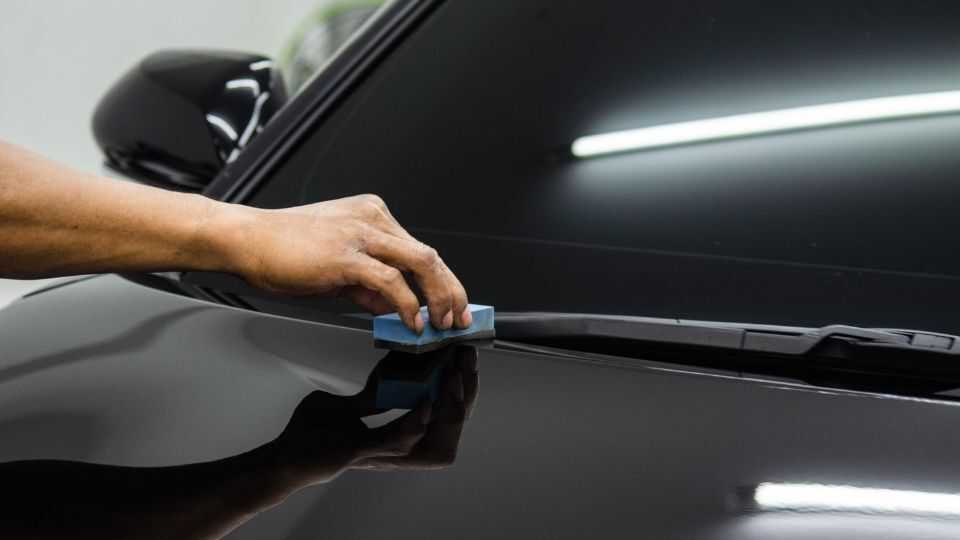
Specialized films can add a protective layer that absorbs minor impacts. These films are transparent and do not affect visibility. They also help prevent small chips from turning into larger cracks.
Applying a UV-resistant coating can reduce stress caused by temperature changes. This layer minimizes expansion and contraction, making the glass more resistant to cracking over time. Regular maintenance of these protective measures can extend the lifespan of your side glass.
Proper Handling and Maintenance Practices
Careful handling during cleaning and repairs can prevent unintended cracks. Use soft cloths and non-abrasive cleaners to avoid scratching the glass surface.
When washing your vehicle or cleaning windows, avoid applying excessive pressure around stress points or existing cracks. Periodic maintenance, such as resealing edges and checking for damage, can significantly reduce crack propagation.
Understanding Glass Types and Their Resistance to Cracks
Different types of glass have varying resistance to cracking. Tempered glass, for example, is much stronger and safer because it shatters into small, less dangerous pieces.

Similar Posts