Can Side Glass Be Tinted After Installation A Complete Guide

Yes, side glass can be tinted after installation, but the process requires careful planning and proper materials to ensure a quality finish. Tinting after the fact is possible, but it’s important to choose the right type of tint and work with a professional to avoid damaging the glass or ruining the appearance.
Tinting side glass after installation is feasible, allowing vehicle owners to customize their windows even if they weren’t tinted originally. This process involves applying a special film to the existing glass, which can enhance privacy, reduce glare, and improve the vehicle’s overall look. However, not all tinting methods are suitable for already-installed glass, and some may require removing or preparing the surface beforehand. Consulting with a professional ensures the tint is applied correctly, lasting long and looking sleek. Whether you want to add tint for comfort or style, understanding the options and limitations can help you achieve the best result without any regrets.

Can Side Glass Be Tinted After Installation?
Understanding the Basics of Window Tinting
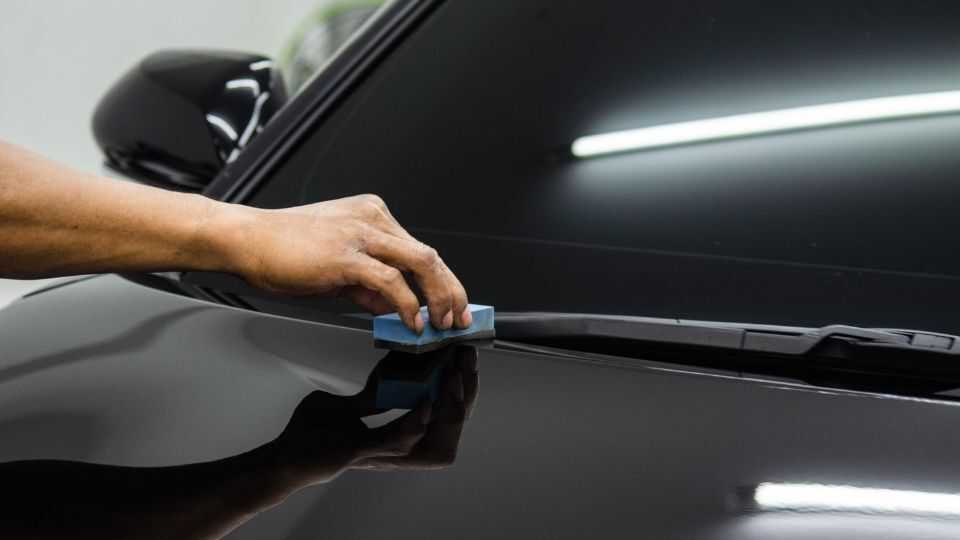
Tinting side glass involves applying a special film to the surface of the window to reduce sunlight, block UV rays, and improve privacy. Usually, tinting is done during the manufacturing process or right after installation. Once the glass is in place, it’s natural to wonder if you can add a tint later on.
Is It Possible to Tint Side Glass After Installation?
Yes, you can tint side glass after installation, but there are important factors to consider. The type of glass and the existing coatings play a significant role in determining whether tinting is feasible. Many professional tinting services offer solutions for windows that have already been installed without tint.
Types of Window Tints Suitable for Post-Installation Application
- Pre-cut Window Films: These are ready-to-apply sheets designed for specific window sizes. They can be installed after the window is in place.
- Liquid Window Tints: These are liquid dyes that can be sprayed or brushed onto the glass surface, creating a tinted appearance.
- Removable Films: These films are designed to be applied on existing windows and can be removed easily without damage.
Factors Affecting the Feasibility of Tinting After Installation
The Type of Glass
There are mainly two types: tempered and laminated glass. Tempered glass is more receptive to tinting since it typically has a smooth surface. Laminated glass, often used in side windows for safety, can also be tinted but may require different processes.
Existing Window Coatings and Treatments
If the window already has a reflective coating or a special treatment, applying additional tint might be challenging. A professional assessment can determine if additional films will adhere properly or if they will cause issues like bubbling or peeling.
Adhesion and Surface Preparation
Proper cleaning and preparation of the glass surface are essential for successful tinting. Dirt, dust, or oil can prevent films from sticking properly, leading to poor results or early failure.
Benefits of Tinted Side Glass After Installation
Tinting after installation can offer several advantages, including:
- Enhanced privacy for occupants and vehicle owners.
- Reduced glare from sunlight, improving visibility and comfort.
- Protection from harmful UV rays that can cause skin damage and fade interior fabrics.
- Improved aesthetics, giving your vehicle or building a sleek look.
Potential Challenges and Limitations
While tinting after installation is possible, it does come with some hurdles.
Adherence Issues
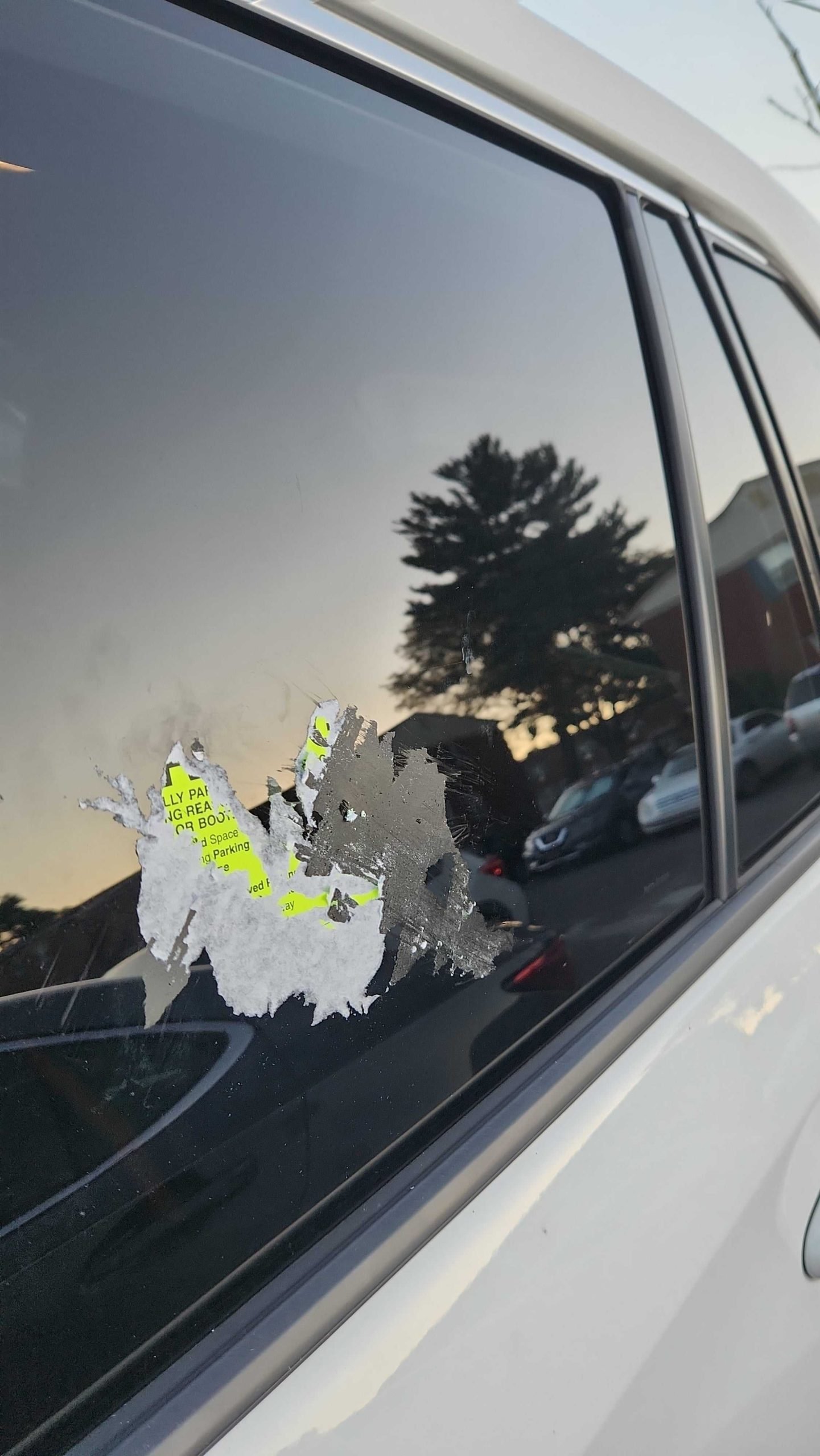
The old surface may not allow film adhesion well, especially if it’s scratched or damaged. This can lead to peeling or bubbling over time.
Legal Restrictions
Many regions have laws limiting how dark window tint can be on side glass for vehicles. It’s advisable to check local regulations before applying tint after installation to avoid fines or penalties.
Cost Considerations
Post-installation tinting can sometimes be more labor-intensive, especially if the existing glass needs special preparation or if removal of previous films is necessary. This can increase the overall cost.
How Professional Tinting Is Done After Installation
Professional technicians follow a multi-step process to ensure a clean, durable tint.
Assessment and Measurement
– Experts measure the glass to cut the film precisely.
– They examine the current glass condition to determine suitability.
Cleaning and Surface Preparation
– The glass is thoroughly cleaned with alcohol-based solutions to remove dirt and grease.
– Any existing film or residue is carefully removed if necessary.
Application Process
– The film is carefully placed on the glass, aligned, and smoothed out to prevent air bubbles.
– Heat and squeegee tools are used to adhere the film tightly.
Final Inspection and Curing
– The tint is checked for bubbles or imperfections.
– The film is allowed to cure, which may take a few days, for optimal adhesion.
Choosing the Right Tinting Option for Your Needs
Your choice depends on your goals and preferences.
For Vehicles
– **Legal compliance** is essential; check local laws.
– Choose a tint percentage that balances privacy and visibility.
– Consider professional installation to avoid bubbling or improper adhesion.
For Buildings
– Decide between reflective or non-reflective films based on privacy needs.
– UV protection and energy savings can be significant benefits.
– Ensure compatibility with existing coatings.
Maintenance and Care for Tinted Side Glass
Proper maintenance extends the life of your tint and keeps it looking new.
- Use gentle cleaning solutions and soft cloths or sponges.
- Avoid abrasive cleaners that can scratch the film.
- Do not roll down the windows or open doors immediately after tinting; wait at least 48 hours.
- Periodic inspections for bubbling, peeling, or fading are recommended.
Related Topics for Consideration
In addition to tinting, exploring related options can enhance your window experience.
Window Films for Security and Safety
These films can help hold shattered glass together, improving safety.
UV-Blocking Films
Designed to protect occupants and interiors from harmful UV rays.

Similar Posts