Best Car Window Tint For Florida: Top Options For Sun Protection
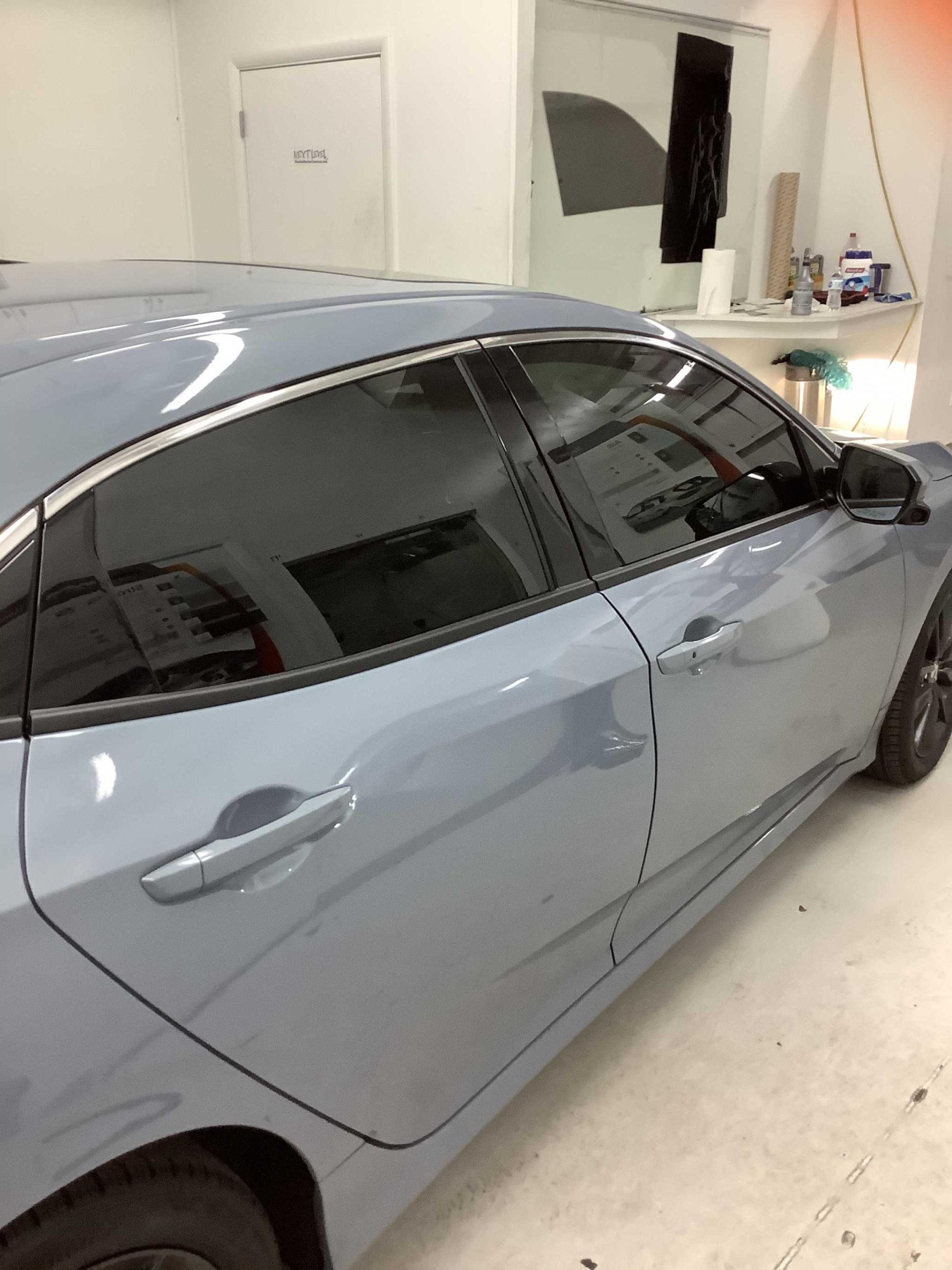
Looking for the best car window tint to beat Florida’s scorching heat? The perfect tint not only keeps your car cooler but also protects your skin and enhances privacy. The top choice for Florida drivers combines UV protection, heat rejection, and durability without violating legal limits.
For Florida, the best car window tint is a high-quality, ceramic or carbon film that offers excellent UV and heat rejection while complying with state regulations. These tints provide long-lasting protection and comfort without sacrificing visibility or breaking the law.
Living in Florida means dealing with intense sun and high temperatures all year round. Choosing the right window tint can significantly improve your driving experience by reducing glare, blocking harmful rays, and keeping your car’s interior cooler. With so many options out there, it’s important to pick a tint that balances legality, effectiveness, and affordability, ensuring you enjoy the most comfortable ride every time.

Best Car Window Tint for Florida
Understanding the Florida Climate and Its Impact on Car Tints
Florida is known for its hot, sunny weather and high UV index. These conditions make choosing the right window tint essential. A good tint can block out harmful UV rays and keep your car cooler. It also helps protect the interior from sun damage and prevents fading. When selecting a tint, consider how well it performs under intense sunlight and high temperatures typical of Florida.
Types of Car Window Tint Suitable for Florida
There are several types of car window tints that work well in Florida’s climate. Each has advantages and limitations, so understanding them helps make the best choice.
Dyed Window Tints
Dyed tints are the most common and affordable. They work by absorbing sunlight to reduce glare and heat. However, they may fade over time when exposed to Florida’s strong sun. They also offer less UV protection compared to other types.
Metalized Window Tints
Metalized tints contain tiny metallic particles that reflect heat and sunlight. They are highly durable and provide better heat rejection than dyed tints. They can sometimes interfere with electronic signals such as GPS and radio, so consider this when choosing.
Carbon Window Tints
Carbon tints are a popular choice because they block more heat and UV rays without interfering with electronics. They are also more resistant to fading and scratching. These tints offer a sleek, matte finish that looks good on most vehicles.
Ceramic Window Tints
Ceramic tints are the top-tier option for Florida drivers. They block the highest percentage of UV rays and heat while remaining clear. They do not interfere with signals and are highly durable. Although more expensive, they provide optimal protection and longevity.
Legal Limits and Regulations in Florida
Knowing Florida’s window tint laws is crucial before installing any tint. The state has specific regulations about how dark and reflective tints can be:
- Front side windows must allow more than 28% of light in (meaning a tint darkness of 28% or higher).
- Back side windows and the rear window can have darker tints, but they must not be more reflective than a 35% tint.
- Windshield tinting is only allowed on the top 6 inches of the windshield with a non-reflective tint.
Choosing a legal tint helps you avoid fines and ensures your vehicle complies with state laws.
Factors to Consider When Choosing the Best Tint for Florida
Selecting the right tint involves considering several important factors:
UV Protection
High-quality tints block up to 99% of UV rays, protecting your skin and interior materials from sun damage. Look for tints with at least 99% UV rejection.
Heat Rejection
A good tint can cut down interior temperatures significantly. Ceramic and metalized films typically block the most heat, providing added comfort during Florida’s hot summers.
Durability and Longevity
Florida’s sun can cause some tints to fade or bubble over time. Choose tints from reputable brands to ensure they last for years without deterioration.
Visibility and Clarity
While dark tints block more light, they can reduce visibility, especially at night. Find a balance between privacy and clear vision.
Price and Budget
Prices vary depending on the type of tint and vehicle size. Ceramic tints are the most expensive but offer the best protection. Dyed and metalized tints are more budget-friendly options.
Top Brands and Products for Florida Drivers
Several manufacturers produce excellent window tints suitable for Florida’s climate. Here are some of the most popular:
| Brand | Type | Features | Price Range |
|---|---|---|---|
| Llumar | Ceramic, Metalized | High heat rejection, UV blocking, long-lasting | High |
| 3M | Dyed, Carbon, Ceramic | Good UV protection, durability, variety of shades | Medium to High |
| SunTek | Ceramic, Carbon | Excellent heat rejection, clear visibility | High |
| XPEL | Ceramic, Metalized | Customizable options, strong UV defense | High |
Choosing products from these brands can ensure quality and satisfaction.
Installation Considerations for Florida Residents
Professional installation guarantees the best results and adherence to legal standards. When selecting an installer, check reviews and experience. Proper application prevents bubbles, peeling, and improper shading.
Preparation Tips
Wash your vehicle thoroughly before installation. Ensure windows are free of dirt, oil, and scratches to achieve a smooth tint.
Post-Installation Care
Avoid rolling down windows for at least 48 hours. Keep windows clean with mild soap and water, and avoid abrasive cleaners.
Cost of Car Window Tinting in Florida
The price varies based on tint type, vehicle size, and installer. Generally, dyed tints start around $100, while ceramic films can cost upwards of $500. Consider it an investment in comfort, protection, and style.
Additional Benefits of Tinted Windows in Florida
Tinted windows offer advantages beyond heat and UV protection:

Similar Posts