Can Car Glass Break On Its Own Causes And Solutions
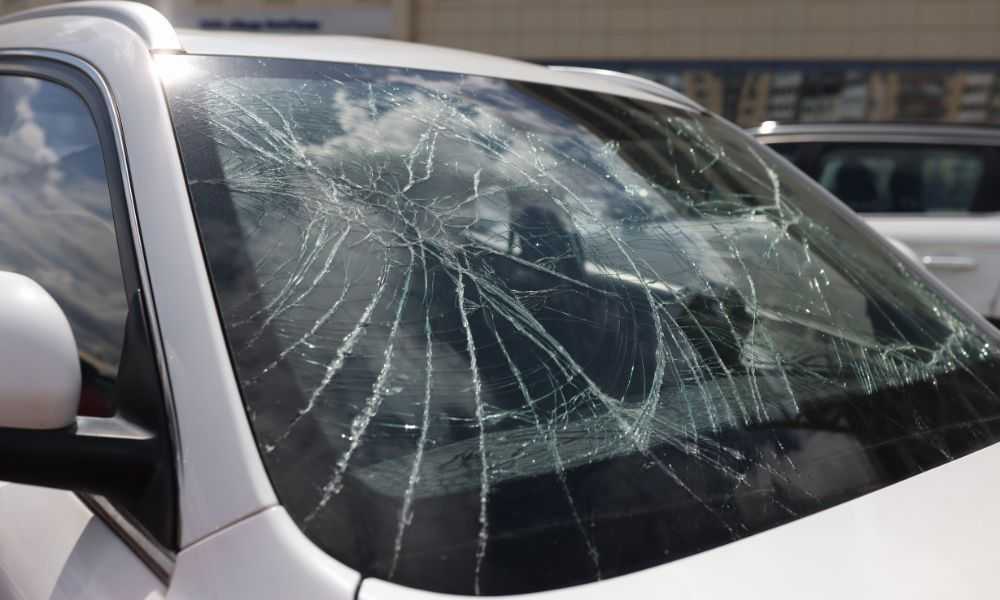
Yes, car glass can sometimes break on its own, and it’s more common than you might think. Sudden stress or tiny flaws can cause the glass to shatter unexpectedly, without any external impact. If you’re wondering whether your car’s window might collapse on its own, the answer is yes—under certain conditions. These can include temperature fluctuations, manufacturing defects, or internal stress within the glass.
In short, car glass can indeed break on its own due to internal weaknesses or environmental factors. While rare, understanding these causes can help prevent unexpected accidents and ensure your safety on the road.
Car glass breaking without an apparent reason can be quite alarming. Many car owners have experienced the unsettling moment when a window cracks or shatters suddenly. The truth is, car windows are designed to be tough, but they can still be vulnerable to certain internal and external factors. Temperature extremes, such as very hot or cold weather, can cause the glass to expand or contract rapidly, leading to spontaneous cracking. Manufacturing flaws or tiny chips that go unnoticed can also weaken the glass over time, eventually causing it to break seemingly on its own. Knowing what causes this phenomenon can help drivers take better care of their vehicles and recognize when to seek repairs before a complete break occurs.

Can Car Glass Break on Its Own? Exploring the Reasons Behind Unexpected Breakage
Understanding How Car Glass Is Made
Car glass, especially windshields, is primarily made of laminated safety glass. This glass combines a layer of plastic between two sheets of glass, making it strong and resistant to shattering. The manufacturing process ensures the glass can withstand various stresses, but it isn’t entirely immune to damage. Recognizing how the glass is built helps understand the possibilities of it breaking without external impact.
Common Causes of Car Glass Breaking Without External Impact
Many drivers wonder if their car’s glass can suddenly crack or shatter without an obvious reason. Several factors can contribute to this phenomenon, often working together or individually to cause unexpected breakage.
Thermal Stress
Temperature changes can cause significant stress on car glass. Rapid shifts from hot to cold environments lead to expansion and contraction of the glass. This can weaken the glass over time, making it more prone to cracking or shattering. For example, parking in direct sunlight during the day and suddenly cooling overnight can cause thermal stress.
Material Fatigue and Microcracks
Over time, tiny cracks called microcracks can develop in the glass due to repeated minor stresses. These cracks may not be visible but can grow larger under certain conditions. Microcracks weaken the overall integrity of the glass, sometimes leading to sudden breakage.
Manufacturing Defects
Sometimes, flaws during manufacturing can compromise the strength of the glass. These flaws include air bubbles, uneven layers, or improper lamination. Such defects may not be noticeable but can become initiation points for cracks, especially under stress.
Vibrations and Road Conditions
Bumpy roads, potholes, or uneven terrain cause vibrations that exert stress on the glass. While these vibrations might seem harmless, repeated impacts can cause stress points, eventually leading to cracks or shattering. This is especially true if the glass already has pre-existing weaknesses.
Impact from Small Debris or Stones
Small stones or debris kicked up by other vehicles can sometimes cause microcracks. If these tiny impacts are frequent or if the debris hits a vulnerable spot, they can initiate cracks that grow over time or cause the glass to break suddenly.
The Role of Environmental Factors in Glass Breakage
Environmental conditions play a significant role in whether car glass might break spontaneously.
Extreme Temperatures
Extremes in temperature, whether high heat or cold, stress the glass material. Heat causes expansion, while cold causes contraction. Sudden temperature swings intensify this stress, increasing the chances of unexpected breakage.
Sun Exposure and Ultraviolet Light
Prolonged exposure to UV radiation from the sun can weaken the bonding in laminated glass, especially if the protective layer deteriorates over time. This degradation can make the glass more susceptible to cracking or breaking unexpectedly.
Ambient Humidity and Moisture
High humidity levels can accelerate corrosion or deterioration of the bonding layers within laminated glass. Moisture can also seep into microcracks, enlarging them and leading to breakage.
Can a Car Glass Break Without External Impact? Scientific Perspective
From a scientific standpoint, car glass can indeed break without a direct impact. The combination of internal stresses and material flaws can cause the glass to suddenly shatter.
Stress Concentration Points
Cracks tend to initiate at weak points or stress concentration areas such as edges or chips. Once these areas reach a critical stress level, the entire glass can crack without additional external impact.
Thermal Shock and Rapid Temperature Changes
Thermal shock occurs when the glass experiences sudden temperature changes. This rapid change causes uneven expansion, which can lead to internal stresses high enough to cause cracking or shattering.
Hidden Damage and Cumulative Effects
Microcracks or small chips not visible during regular inspection may accumulate stress over time. When enough internal stress builds up, the glass can break unexpectedly, even in the absence of external force.
Signs That Your Car Glass Might Break on Its Own
Being aware of warning signs can help prevent unexpected breakage and ensure safety.
Visible Cracks or Chips
Cracks or chips are early indicators that the glass’s structural integrity is compromised. Addressing these early can prevent sudden breakage.
Discoloration or Cloudiness
Changes in the appearance of the glass, such as fogging or discoloration, can point to material deterioration. Such signs suggest the glass may be weaker than usual.
Uneven Reflection or Hazy Areas
If the reflection appears distorted or hazy spots develop, it could indicate internal damage or weakening of the lamination, increasing breakage risk.
Preventing Car Glass from Breaking on Its Own
While not all forms of damage are preventable, several measures can reduce the risk.
Regular Inspection and Maintenance
Routine checks for chips, cracks, or signs of deterioration help catch problems early. Replacing damaged glass promptly prevents further issues.

Similar Posts


















