Can You Lighten Car Window Tint Effectively
Yes, you can lighten car window tint, but it requires careful consideration and proper methods to do so safely. The best approach often involves professional removal and reapplication or using specialized products designed to gradually fade the tint.
If you’re wondering whether you can lighten your car’s window tint, the answer is yes, but with some important caveats. Lightening or removing tinted windows isn’t as simple as just scrubbing or bleaching—they’re designed to be durable and resistant. Most car owners opt for professional removal or replacement because trying DIY methods can damage the glass or leave uneven results. In this article, we’ll explore the options available for lightening car window tint, the risks involved, and what steps you should take to achieve the look you want without compromising your vehicle’s integrity or your safety.

Can You Lighten Car Window Tint? A Complete Guide
Understanding Car Window Tinting
Car window tinting involves applying a thin film of material to the inside of your vehicle’s windows. This film can block sunlight, reduce glare, and offer privacy. Tints come in different shades and specifications, with some designed to be darker for better sun protection and privacy. When considering lightening your tint, it’s important to understand the types of films used and their properties.
The Legal Limits for Car Window Tint
Most regions have laws about how dark your car windows can be. These laws specify the minimum visible light transmission percentage, often called VLT. For example, some areas require the front side windows to let through at least 70% of light, while rear windows may be darker. Before attempting to lighten or modify your tint, check local regulations to avoid fines or legal trouble. Non-compliance can lead to tickets or having to remove the film entirely.
Can You Lighten Car Window Tint Legally?
Generally, you cannot legally lighten a darker window tint to meet legal standards if the existing tint is below the legal limit. If your tint is already within legal boundaries, changing it for a lighter one is permitted, provided you follow local rules. It’s best to consult with local authorities or a professional tint installer to ensure your modifications stay within the law.
Options for Lightening Car Window Tint
There are a few methods to lighten existing window tint, but not all are recommended or legal. Here’s an overview:
Removing the Tint Film
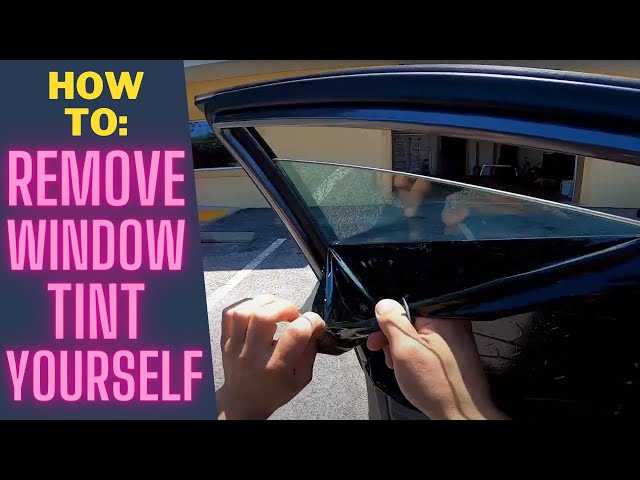
This is the most common way to lighten your windows. You can peel off the existing film, then replace it with a lighter tint or leave the windows clear. Removal involves heating the film with a heat gun or steaming it off, then cleaning the glass thoroughly.
Applying a New, Lighter Tint Over the Old
Some opt to add a new, lighter film on top of the existing one, but this can cause bubbles or uneven surfaces. It’s usually better to remove the old tint completely for a smooth application.
Using Tint-Removing Products
Commercial products designed to dissolve or loosen tint film can make removal easier. These are applied to the film, then peeled off with minimal effort. Follow product instructions carefully to avoid damaging your windows.
Not Recommended Methods for Lightening Tint
Avoid methods such as sanding or scratching the film, as these can damage your windows and are generally illegal. These techniques also compromise the integrity of the glass and may cause safety issues.
The Process of Removing Window Tint
Removing window tint takes patience and attention. Here is a step-by-step outline:
- Clean your window with soapy water to remove dirt and debris.
- Apply a tint removal solution or heat the film with a heat gun to soften the adhesive.
- Use a squeegee or razor blade to peel off the film carefully, avoiding scratches.
- Clean off any remaining adhesive with a glass cleaner and a soft cloth.
This process restores your window to its original state or prepares it for a new, lighter film.
Can You Reapply Tint Naturally or With DIY Methods?
While some try to lighten tint by using sunlight or heat, these methods are ineffective in changing the tint’s darkness. They do, however, help in removing the film during the peel-off process. For a lighter, more transparent look, replacing the old film with a lighter one is the best choice.
Challenges of Lightening Car Window Tint
Attempting to lighten or remove tint can be complicated. Common issues include:
- Uneven removal, which can leave sticky residue
- Potential damage to the window glass if improper tools are used
- Violation of local laws if tint is made too light or too dark
- Cost and time involved in professional removal and replacement
Being aware of these challenges helps you decide whether DIY removal or professional help is best.
Benefits of Lighter Window Tints
Choosing a lighter tint or removing tint entirely offers several advantages:
- Improved visibility and clearer outside view
- Better adherence to legal requirements
- Increased natural light inside the vehicle
- Enhanced safety in case of accidents due to better visibility
Lighter tints can still provide sun protection without crossing legal boundaries.
Professional vs. DIY Tint Lightening
Deciding between professional removal and DIY depends on your comfort level and budget. Professionals have specialized equipment that makes the process quicker and minimizes damage. DIY methods are more affordable but require patience and care to avoid issues like glass scratches.
Cost Considerations for Lightening Tint
Removing and replacing window tint costs vary depending on the vehicle and the quality of materials used. Professional removal typically costs between $100 and $300, depending on the number of windows. Replacing with a lighter tint or clear windows may add additional costs but ensures a legal and neat finish.
Related Topics to Consider
Additional areas to explore include:
Legal Tint Percentages by State or Country
Understanding the legal VLT percentages can help guide your decision on lighter tint choices. Many regions provide resources to check specific laws.
Benefits of High-Quality Tints
High-quality films can last longer, block more UV rays, and provide better glare reduction. They also tend to be easier to remove when needed.
Tips for Maintaining Your Window Tints
Proper cleaning and avoiding sharp objects during cleaning can extend the life of your tint. Use gentle cleaning solutions and soft cloths to keep windows clear and undamaged.
Alternative to Tinting: Using Sunshades or Curtains
If legality or cost is a concern, consider sunshades or curtains for privacy and sun protection without modifying your windows.

Similar Posts