Can You Use Glass Cleaner On Car Paint Effectively
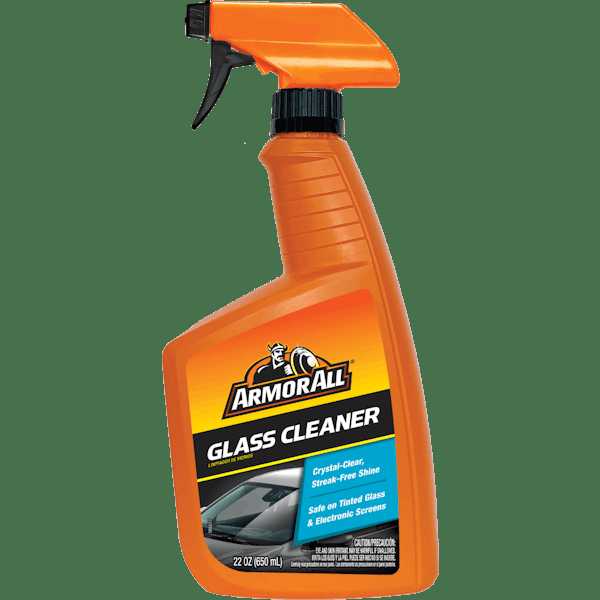
Yes, you can use glass cleaner on your car paint, but with caution. While it might seem like a quick fix to make your car shine, not all glass cleaners are safe for painted surfaces. It’s essential to choose the right product and use it properly to avoid damaging your car’s finish.
Using glass cleaner on car paint can be safe if the product is formulated without harsh chemicals like ammonia or alcohol, and if it’s applied carefully. However, many glass cleaners contain ingredients that can strip away wax or harm the paint over time. Always test a small area first and opt for a cleaner specifically designed for automotive use. Proper application keeps your car looking its best without risking long-term damage.
Driving around with a shiny, spotless car is something many car enthusiasts aspire to, but it’s easy to wonder whether everyday cleaning products like glass cleaner are safe for your vehicle’s paint job. You might consider using glass cleaner for quick touch-ups, but it’s crucial to understand the potential risks. This article explores whether glass cleaner is suitable for car paint, how to use it properly, and safer alternatives to keep your vehicle looking flawless without causing harm.

Can You Use Glass Cleaner on Car Paint?
Understanding What Glass Cleaner Is
Glass cleaner is a cleaning product designed to make windows, mirrors, and glass surfaces sparkle by removing dirt, grease, and streaks. These cleaners typically contain ingredients like ammonia, alcohol, and other chemicals that break down grime efficiently. While they work well on glass, their chemical composition can sometimes pose risks to other surfaces, including car paint.
What Are the Main Ingredients of Glass Cleaner?
Most glass cleaners have a combination of specific chemicals such as:
- Ammonia or ammonia derivatives for streak-free shine
- Isopropyl alcohol for quick evaporation
- Water and cleaning agents to dissolve dirt and grease
- Surfactants that help lift grime from surfaces
These ingredients are powerful for glass but may not be suitable for painted surfaces if used improperly or excessively.
Why People Consider Using Glass Cleaner on Car Paint
Some car owners wonder if glass cleaner can remove stubborn spots, insect residue, or light dirt from their car paint. They believe it might be a quick fix because of its ability to cut through grease and grime efficiently. However, using it on paint without understanding the risks can lead to damage.
Potential Risks of Using Glass Cleaner on Car Paint
Using glass cleaner on car paint can cause several problems:
Damage to the Clear Coat
The clear coat on your car is a protective layer that keeps paint shiny. Ingredients like ammonia can break down this layer over time, leading to dullness and loss of shine.
Paint Fading and Discoloration
Repeated use of harsh chemicals can cause the paint to fade or discolor, especially if the cleaner contains strong solvents.
Scratches and Surface Wear
If not applied carefully, glass cleaner can cause micro-scratches on the paint, making it look dull and uneven.
When Is It Safe to Use Glass Cleaner on Car Windows?
It is generally safe to use glass cleaner on car windows and mirrors. These surfaces are designed to withstand cleaning products that are more aggressive. Always choose a glass cleaner specifically formulated for automotive glass to avoid streaks and residue.
Proper Ways to Clean Car Paint
For maintaining the appearance of your car’s paint, follow these safe cleaning steps:
- Use a pH-balanced car wash soap designed for automotive paint
- Wash your car in the shade to prevent soap from drying quickly and leaving spots
- Use soft microfiber cloths or wash mitts to avoid scratches
- Rinse thoroughly to remove all soap residue
- Dry with a clean, soft towel to prevent water spots
- Apply wax or sealant to protect the paint after cleaning
Alternative Cleaning Products for Car Paint
Instead of glass cleaner, consider products made specifically for car paint, such as:
| Product Type | Benefits | Examples |
|---|---|---|
| Car Wash Soap | Gentle cleaning, safe for paint, removes dirt effectively | Meguiar’s Gold Class Car Wash, Chemical Guys Mr. Pink |
| Pre-Wash Sprays | Loosen dirt before washing, reduces scratches | Griot’s Garage Car Pre-Wash, Adams Car Wash Foam |
| Paint Restorers and Polishes | Restore shine, remove minor scratches | Meguiar’s Ultimate Polish, Turtle Wax Polishing Compound |
| Paint Sealants and Waxes | Protects the paint and enhances shine | CarGuys Liquid Wax, Meguiar’s Synthetic Sealant |
How to Deal with Stubborn Stains on Car Paint
If your car has stubborn stains, avoid using glass cleaner. Instead, try:
- A specialized clay bar to remove contaminants
- Using a dedicated bug and tar remover for insect residue
- Applying a paint-safe spot remover for tough stains
Always read instructions carefully and test products on a small area first.
The Role of Regular Maintenance in Protecting Car Paint
Regular washing coupled with waxing helps maintain the shine and integrity of your car’s paint. It also prevents the buildup of dirt and contaminants that can cause damage when left untreated. Consistent care keeps your car looking new longer and reduces the need for harsh or risky cleaning products.
When to Consult a Professional
If your car has extensive paint damage or stubborn stains that DIY methods can’t fix, it’s best to see a professional. Expert detailers can perform safe, thorough cleaning, polishing, and protective treatments to restore and preserve your vehicle’s finish.
While glass cleaner works well for cleaning windows, it is not suitable for car paint. Its harsh chemicals can damage the clear coat and paint layers if used improperly. Always opt for products made specifically for automotive use to keep your car looking its best. Regular maintenance, gentle cleaning, and proper products will ensure your vehicle remains shiny and protected for years to come.
Solving The Biggest Problems With Windows
Frequently Asked Questions
Is it safe to use glass cleaner on car paint for regular cleaning?
Using glass cleaner occasionally on your car’s paint generally does not cause damage, especially if the cleaner is ammonia-free and formulated for safe use. However, glass cleaners are designed for smooth glass surfaces, and prolonged or frequent use on paint might lead to stripping away protective wax layers or causing minor surface dryness. It’s best to reserve glass cleaner for glass surfaces and stick to car-specific products for regular paint maintenance.
What are the potential risks of applying glass cleaner directly on car paint?
Applying glass cleaner directly on car paint can risk removing wax coatings or sealants that protect the paint from UV rays and dirt. Some glass cleaners contain chemicals that can be harsh on paint, potentially leading to a dull or uneven finish over time. To minimize risks, avoid using glass cleaner on painted surfaces unless the product explicitly states it is safe for automotive use.
Can glass cleaner be used as a quick fix for stubborn stains on car paint?
While glass cleaner may help remove light stains or smudges on car paint temporarily, it is not designed for that purpose. Using it as a quick fix may only provide superficial cleaning and could harm the paint’s surface if used repeatedly. For stubborn stains, opt for a car-specific cleaner or clay bar treatments that are formulated to clean without damaging the paint.
Does the type of glass cleaner affect its compatibility with car paint?
Yes, the ingredients and formulation of a glass cleaner influence how safe it is for car paint. Ammonia-based cleaners are more likely to damage or strip protective coatings, while alcohol-based or specially formulated glass cleaners tend to be safer. Always check the label to ensure the product is suitable for automotive use before applying to painted surfaces.
What precautions should I take if I decide to use glass cleaner on my car‘s paint?
If you choose to use glass cleaner on your car’s paint, do so sparingly and avoid applying it directly in direct sunlight. Test a small, inconspicuous area first to check for any adverse effects. Rinse the area thoroughly with water afterward, and follow up with a wax or sealant to restore any protection that might be removed. Regularly using products designed for automotive paint remains the best approach for maintaining your car’s finish.
Final Thoughts
Using glass cleaner on car paint is generally not recommended. These cleaners often contain ammonia or alcohol, which can damage the clear coat and paint finish.

Similar Posts


















