Car Glass Coating Vs Ceramic: Which Is Better For Your Vehicle
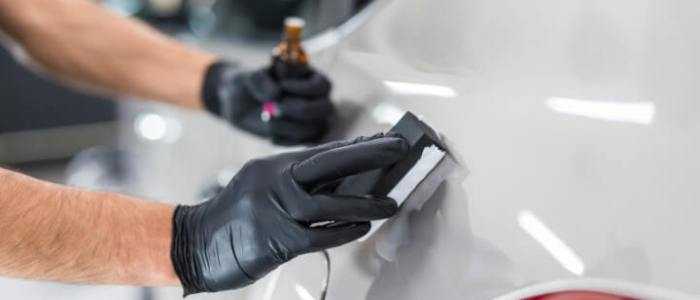
If you’re torn between opting for a car glass coating or ceramic coating, you’re not alone—many car enthusiasts face this dilemma. The quick answer is: ceramic coatings generally offer longer-lasting protection and better durability, while traditional glass coatings can be a more affordable upfront option that still improves visibility and protection. Deciding which is best depends on your driving habits, budget, and how much maintenance you’re willing to do.
When it comes to protecting your car’s glass, choosing the right coating can make a significant difference in visibility and safety. Both options aim to enhance clarity and prevent dirt, water, and debris from sticking, but they differ in longevity, cost, and application. In this article, we’ll dive into the key differences between car glass coating and ceramic coating to help you make an informed decision that suits your needs and keeps your vehicle looking its best on the road.

Car Glass Coating vs Ceramic: What You Need to Know
Understanding Car Glass Coatings and Ceramic Coatings
Car owners often look for ways to protect their vehicles and keep them looking new longer. Two popular options are car glass coatings and ceramic coatings. Both provide a protective layer, but they work in different ways and offer different benefits.
What Is a Car Glass Coating?
A car glass coating is a type of protective layer applied directly to the glass surfaces of your vehicle. This coating is designed to repel water, reduce streaking, and improve visibility during rain. It also helps prevent the buildup of dirt and grime on the glass.
How Does a Glass Coating Work?
The glass coating creates a hydrophobic layer—meaning water beads up and rolls off easily. This improves driving safety during wet conditions by preventing water from sticking to the windshield. It also makes cleaning the glass faster and easier since dirt doesn’t adhere strongly.
Benefits of a Car Glass Coating
- Enhanced visibility in rainy weather
- Reduced cleaning time
- Improved glass durability against minor scratches and chips
- Protection from mineral deposits and hard water stains
What Is a Ceramic Coating?
A ceramic coating is a liquid polymer that bonds chemically to your vehicle’s exterior paint. It forms a protective shell that keeps the car’s surface resistant to external elements. Ceramic coatings are often used for the paint, but some formulas also protect glass.
How Does a Ceramic Coating Work?
Ceramic coatings create a semi-permanent or permanent bond with the paint, forming a layer of nano-ceramics. This layer provides high resistance to UV rays, oxidation, and chemical stains. It also gives the car a glossy finish that enhances its appearance.
Benefits of a Ceramic Coating
- Long-lasting protection for the car’s paint
- Provides a glossy shine that lasts for years
- Repels water and mud, making cleaning easier
- Offers resistance against scratches and chemical stains
Protective Capabilities Compared
While both coatings provide protection, they excel in different areas. Car glass coatings mainly focus on improving visibility and preventing water spots. Ceramic coatings protect the paint, but some products also add a glass protection layer.
Durability and Longevity
Glass coatings typically last up to 12 months to 2 years, depending on the quality and maintenance. Ceramic coatings can last 3 to 5 years or more with proper care, offering a more extended protective effect.
Resistance to Elements
Ceramic coatings are highly resistant to UV rays, oxidation, and chemical damage. Glass coatings primarily defend against water-related issues and minor physical damage on glass surfaces.
Application Process: Comparing the Effort
Applying these coatings requires different levels of effort and expertise. Glass coatings are generally simpler and quicker to apply, often suitable for DIY enthusiasts. Ceramic coatings usually need a more detailed prep process and careful application, often best done by professionals.
Preparation Steps
For both coatings, thorough cleaning and decontamination of the vehicle are necessary. For ceramic coatings, paint correction may be needed to remove imperfections before application.
Application Time and Technique
Glass coatings usually dry within a few hours and require minimal curing time. Ceramic coatings can take several hours to apply and cure properly, often involving multiple layers for optimal protection.
Cost Comparison
Price varies widely based on quality, vehicle size, and application method. Generally, glass coatings are less expensive due to simpler application and shorter lifespan. Ceramic coatings are a higher upfront investment but offer longer-lasting protection.
Average Costs
- Car Glass Coating: $50 to $150 for DIY kits; professional services may range from $200 to $500
- Ceramic Coating: $500 to $2000 depending on vehicle size and quality
Maintenance Tips for Each Coating Type
Proper maintenance extends the life and effectiveness of these protective layers.
Glass Coating Care
Regular washing with pH-neutral soap and avoiding harsh chemicals is recommended. Using a water-repellent treatment periodically can maintain hydrophobic properties.
Ceramic Coating Care
Wash your car with gentle, pH-neutral cleaners. Avoid abrasive sponges or brushes that can scratch the surface. Applying maintenance sprays can help preserve the coating’s shine and protection.
Factors to Consider When Choosing Between Glass and Ceramic Coatings
Deciding which coating is right depends on your priorities, budget, and vehicle type.
Key Factors
- Protection focus: visibility vs. paint protection
- Budget: initial cost and long-term value
- Application expertise: DIY vs. professional
- Climate conditions: exposure to water, UV rays, and chemicals
Related Topics to Explore
Window Tints and Their Benefits
Adding window tint can complement glass coatings for improved privacy and UV protection.
Paint Protection Films
For extra protection against scratches, dents, and chips, some owners opt for paint protection films alongside ceramic coatings.
Cleaning Products for Coated Vehicles
Using the right products enhances the lifespan and appearance of both glass and ceramic coatings.
Choosing between a car glass coating and a ceramic coating depends on what you want to protect and how much you’re willing to invest. Glass coatings are excellent for visibility and water repellency, making driving safer during rain. Ceramic coatings provide broader protection for your vehicle’s paint and a deep shine that lasts for years. Both options boost your car’s look and help keep it in top shape, but understanding their differences ensures you pick the right product for your needs.
Ceramic Coating vs Glass Coating
Frequently Asked Questions
How does the durability of car glass coating compare to ceramic coating?
Ceramic coatings generally last longer and offer superior protection against environmental damage compared to car glass coatings. While glass coatings may need reapplication more frequently, ceramic coatings can provide protection for several years when properly maintained.

Similar Posts