Car Glass Polish And Oil Film Remover Tips For Clear Windows
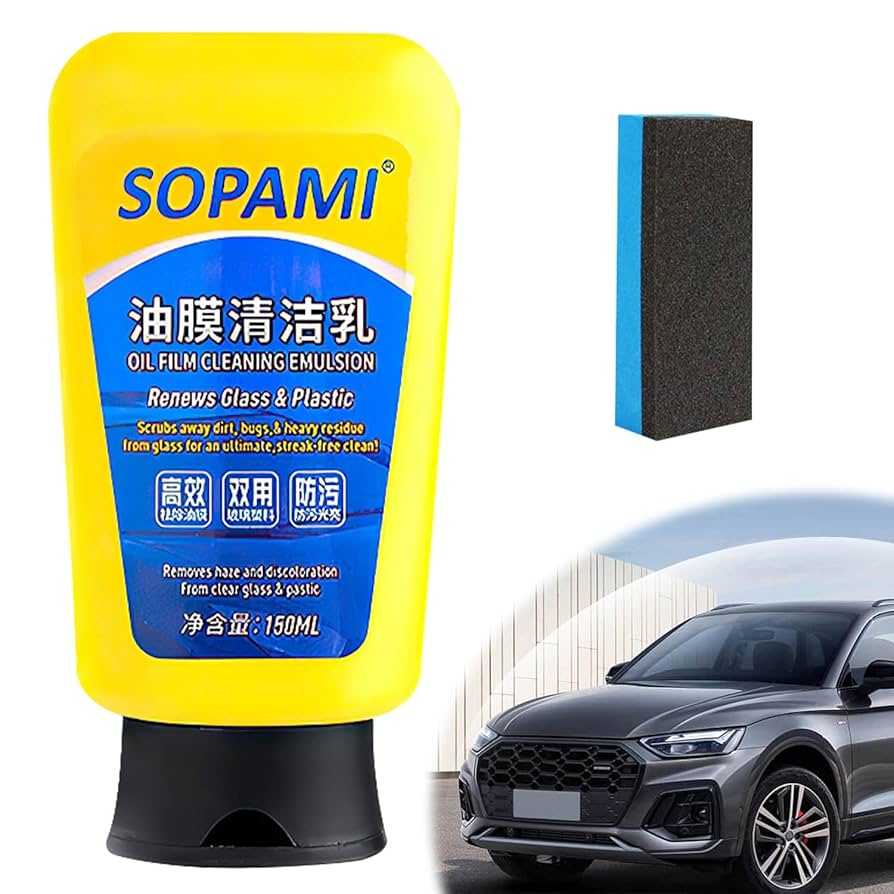
For sparkling, crystal-clear car windows, a good glass polish combined with an oil film remover is your best bet. These two products work together to eliminate stubborn smudges, dirt, and oily residues, leaving your glass spotless and streak-free. Using the right polish and remover not only enhances your visibility but also protects your glass from future grime buildup.
In short, for a perfect shine, start with a dedicated oil film remover to break down greasy residues, then follow up with a high-quality glass polish to restore clarity. Regular cleaning with these products ensures your windows stay crystal clear and improve your driving experience.
Keeping your car’s glass pristine can be a challenge, especially with daily exposure to dust, grime, and oily residues from the environment. Over time, these contaminants can dull the glass, impair your vision, and even cause scratches if not cleaned properly. The key to maintaining perfect clarity lies in choosing the right products—specifically, a good glass polish and an effective oil film remover. The oil film remover is specially formulated to break down stubborn greasy films and residues that regular cleaning agents can’t handle, while the glass polish restores the surface’s shine and clarity. Together, they ensure your windows remain crystal clear, safe, and visually appealing, making every drive safer and more enjoyable.

Car Glass Polish and Oil Film Remover: Keep Your Car Windows Crystal Clear
Car glass polish and oil film remover are essential products for maintaining the clarity and safety of your vehicle’s windows. Over time, dirt, grime, and oil films can build up, making it harder to see clearly while driving. Using the right products helps restore the glass’s transparency and prevents accidents caused by blurry views.
Understanding Car Glass and Oil Films
Car glass is exposed to various elements like dust, rain, and road grime. Oil films often come from pollution, insect residue, and even oils from hand contact. These layers may seem thin but can significantly impair visibility.
Oil films create a slick surface that causes glare and reduces the effectiveness of windshield wipers. Regular cleaning and polishing help keep the glass smooth and clear, ensuring safe driving conditions.
Why Use Car Glass Polish?
Car glass polish is a specially formulated product designed to remove minor scratches, stains, and oxidation. It restores the glass’s shine and smoothness, making it easier for windshield wipers to do their job.
Applying polish also prevents further damage by filling in small scratches, protecting the glass from future wear. A good polish makes your windows look brand new and enhances overall vehicle appearance.
Types of Car Glass Polish
Liquid Polish
Liquid polishes are easy to apply and spread evenly across the glass. They usually contain mild abrasives that gently remove imperfections.
Paste Polish
Paste polishes offer more abrasive power, suitable for deeper scratches or tougher stains. They often require more effort but provide a more thorough clean.
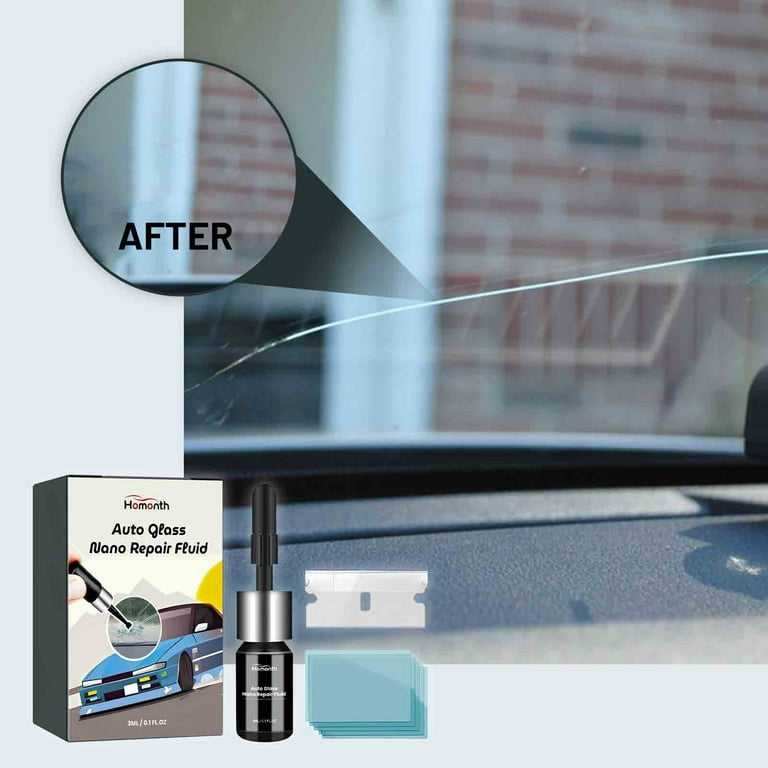
Nano Glass Polish
Nano technology creates a durable, protective layer on the glass surface. This type of polish helps repel dirt and water, making future cleaning easier.
How to Choose the Best Car Glass Polish
- Check for compatibility with your vehicle’s glass type.
- Opt for products with non-abrasive ingredients to avoid scratching the glass.
- Consider nano-coating options for long-lasting protection.
- Read reviews to gauge effectiveness and ease of use.
Step-by-Step Guide to Applying Car Glass Polish
- Clean the glass with water and mild soap to remove loose dirt and debris.
- Dry thoroughly with a microfiber cloth.
- Apply a small amount of polish to a soft cloth or applicator pad.
- Spread the polish evenly over the surface using circular motions.
- Let it sit for a few minutes as directed by the product instructions.
- Buff the surface with a clean, dry cloth until the glass shines.
Oil Film Removers: Clearing the Gunk from Your Windows
What Are Oil Film Removers?
Oil film removers are specialized cleaning agents designed to break down and eliminate greasy, oily residues on glass surfaces. They are essential after heavy pollution or insect splatter.
Types of Oil Film Removers
- Spray-Based Removers
- Gel Removers
- Wipes with Oil-Removing Formulation
Features to Look for
- Fast-acting formula for quick results
- Safe for all types of glass
- Non-abrasive and environmentally friendly
- Residue-free finish to avoid streaks
Applying Oil Film Remover Effectively
- Spray or apply the remover directly onto the affected area.
- Allow it to sit for a minute to loosen the grease.
- Use a microfiber cloth or sponge to wipe away the oil film.
- Follow with a clean damp cloth to remove any residue.
- Finish with a dry cloth to ensure no streaks remain.
Combining Polish and Oil Film Remover for Optimal Results
Start by using an oil film remover to eliminate stubborn grease and grime. Once the surface is clean, apply the car glass polish to restore shine and add a protective layer. This two-step process guarantees clearer, safer windows and a more aesthetically pleasing vehicle.
DIY Tips and Common Mistakes
DIY Tips
- Use a microfiber cloth to prevent scratches.
- Work in shaded areas to avoid quick drying and streaks.
- Follow product instructions carefully for best results.
Common Mistakes to Avoid
- Using abrasive materials that scratch the glass.
- Applying polish or remover in direct sunlight.
- Ignoring the edges and corners of the glass.
Additional Products to Enhance Car Glass Maintenance
- Water Repellent Coatings: Improve visibility during rain.
- Windshield Wipers: Keep them in good condition for clean wipes.
- Glass Cleaners with Anti-fog Properties: Prevent fogging inside the vehicle.
Safety and Environmental Considerations
Select eco-friendly products that are free from harmful chemicals to protect your health and the environment. Always work in well-ventilated areas and wear gloves if needed.
Proper disposal of used cloths and leftover products helps reduce environmental impact and keeps your garage or workspace clean.
Maintaining Clear Car Windows Long-Term
Regular cleaning with suitable products prevents build-up of dirt and oil films. Schedule periodic polishing and oil film removal to keep windows in top shape.
Consider applying a protective nano-coating after cleaning to extend the duration of clarity and reduce cleaning frequency.
Meguiar's Perfect Clarity Glass Polishing Compound
Frequently Asked Questions
How can I effectively remove oil films from my car’s glass surface?
To remove oil films from your car’s glass, start by cleaning the surface with a specialized glass cleaner or a mixture of water and vinegar. Apply the cleaner evenly and let it sit for a few minutes. Use a clean, microfiber cloth to wipe the area in a circular motion, ensuring all oil residues are lifted. For stubborn films, a dedicated oil film remover product can be more effective. Always dry the glass thoroughly with a dry cloth to prevent streaks and achieve a clear view.
What is the best way to polish car glass without causing scratches?
Use a high-quality glass polish designed specifically for automotive use. Before applying, ensure the glass is free of dirt and debris by washing it with soap and water. Apply the polish with a soft, clean cloth or a foam applicator, using gentle circular motions. Avoid applying excessive pressure, which can scratch the surface. Buff the glass gently until it achieves a smooth, clear finish. Regular polishing helps maintain the glass’s clarity and prevents the buildup of residues that can cause scratches.
Can using oil film removers damage my car’s glass or surrounding materials?
Most high-quality oil film removers are formulated to be safe for automotive glass when used correctly. However, it’s important to follow the manufacturer’s instructions and test the product on a small, inconspicuous area first. Avoid applying the remover on rubber seals, painted surfaces, or plastic trims unless the product is explicitly safe for those materials. Rinsing thoroughly after application ensures no residue remains, which helps protect the glass and surrounding components from potential damage.
How often should I polish and clean my car’s glass to prevent oil buildup?
To maintain optimal visibility and prevent oil buildup, clean your car’s glass at least once a month. If you frequently drive through dusty or oily environments, consider cleaning more frequently. Regular polishing, every two to three months, can also keep the glass smooth and clear. Consistent maintenance prevents stubborn residues from forming, making both cleaning and polishing easier over time.
Are there eco-friendly options for cleaning and polishing car glass?
Yes, many eco-friendly cleaning and polishing products are available that use biodegradable ingredients and avoid harsh chemicals. Look for products labeled as environmentally friendly or biodegradable. These options typically rely on natural solvents and plant-based ingredients, providing effective cleaning without harming the environment. Using reusable microfiber cloths and reducing the use of chemical sprays further supports eco-conscious car maintenance practices.
Final Thoughts
Car glass polish and oil film remover effectively clean and restore clarity to your vehicle’s windows. Regular use removes grime, smudges, and stubborn oil films that impair visibility. A clean windshield enhances safety and driving comfort, making this simple step essential. Investing in quality products ensures your glass stays clear and streak-free, providing a better driving experience.

Similar Posts