Car Window Defogger Not Working Causes And Solutions
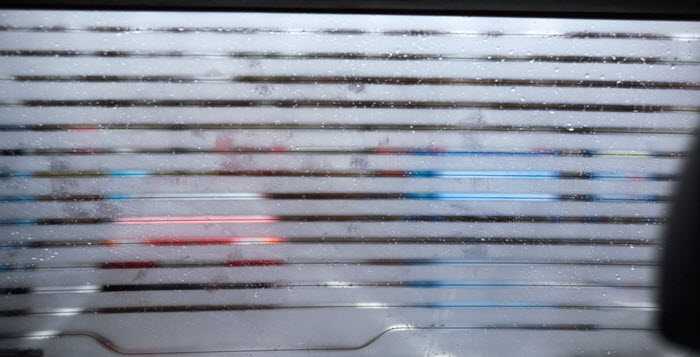
If your car’s window defogger suddenly stops working, it can feel like a nightmare during foggy mornings or rainy days. The good news is, most issues are fixable with some basic troubleshooting. First, check the fuse, wiring, and the defogger switch to identify the problem. Often, a simple fuse replacement or cleaning the contacts can restore function almost instantly.
In just a few steps, you can often diagnose and fix common causes of a non-working defogger, saving you time and money. Ensuring your defogger works properly is essential for safe driving, especially in adverse weather conditions. This guide will help you understand why it might be failing and what easy fixes you can try before seeking professional help.
When your car’s window defogger isn’t working, it can make visibility a real challenge and compromise your safety. The problem could stem from simple issues like a blown fuse, damaged wiring, or a faulty switch, which are easy to troubleshoot. Alternatively, more complex problems like a broken heating element or electrical connection might require professional repair. By understanding the common causes and quick fixes, you can often restore your defogger quickly, ensuring clear windows and safer driving. In this article, we’ll explore the main reasons behind a non-functional defogger and outline straightforward solutions to get it back in working order.

Car Window Defogger Not Working: Causes, Troubleshooting, and Solutions
Understanding How Car Window Defoggers Work
The car window defogger is an essential feature that keeps your windshield clear, especially in cold or humid weather. It uses electrical heating elements embedded in the glass to produce heat that removes moisture and condensation. When activated, the defogger warms the glass surface, allowing moisture to evaporate quickly, ensuring clear visibility. Proper operation depends on several components working together seamlessly.
Common Reasons Why a Car Window Defogger Stops Working
Knowing why your defogger fails helps you diagnose the issue faster. Some of the frequent causes include:
- Blown or faulty fuse
- Damaged heating elements in the window
- Broken or loose wiring connections
- Malfunctioning control switch or button
- Problems with the car’s electrical system, such as a dead battery or alternator issue
- Faulty relay responsible for powering the defogger
Each of these issues can prevent the defogger from producing warmth, leading to foggy windows.
Diagnosing the Issue with Your Car Window Defogger
Begin troubleshooting by testing the simplest components first. Turn on the defogger and observe if the indicator light comes on. If there is no light or the window remains foggy, examine the following:
Step 1: Checking the Fuse
Locate the fuse box, often under the dashboard or in the engine bay. Find the fuse labeled for the defogger or rear window defrost. Inspect it for signs of a blown fuse, such as a broken filament or discoloration. Use a multimeter to verify continuity.
Step 2: Inspecting Wiring and Connections
Look for corrosion, loose connectors, or damaged wiring around the rear window, fuse box, and control switches. Secure any loose connections and replace corroded or damaged wires.
Step 3: Testing the Control Switch
Use a multimeter to check if the switch activates power when pressed. If the switch is faulty, replacing it can restore functionality.
Step 4: Checking the Heating Elements
Test the heating grid on the rear window with a multimeter for continuity. No continuity indicates a broken heating element, which requires replacement.
How to Fix a Car Window Defogger That Is Not Working
Once you identify the root cause, you can take appropriate action.
Replacing Blown Fuses
– Always replace with a fuse of the same amp rating.
– Replace only if the fuse is visibly blown or if continuity testing confirms it.
Repairing or Replacing Wiring
– Repair minor damages with appropriate electrical tape or connectors.
– For extensive damage, replace segments of wiring or seek professional help.
Replacing the Control Switch
– Remove the switch panel carefully.
– Disconnect the old switch and connect a new one following the manufacturer’s instructions.
Replacing the Heating Elements
– Remove the rear window or glass panel.
– Disconnect the damaged heating grid.
– Install a new heating element according to the manufacturer’s specifications.
– Ensure proper sealing and connection.
Preventative Maintenance and Tips for Optimal Performance
Maintaining your defogger prolongs its life and ensures reliability.
- Regularly inspect the fuse box for signs of damage
- Clean the rear window and defogger grid to remove dirt and debris
- Avoid using abrasive cleaners that can damage the heating elements
- Address electrical issues promptly to prevent further damage
- Use the defogger regularly, even in light fog, to keep the system active
Related Topics to Consider if Your Defogger Is Not Working
Beyond the defogger itself, other vehicle systems can affect its operation. For instance:
Climate Control System
Proper ventilation and air conditioning support defogging by reducing humidity inside the vehicle.
Temperature Sensors
Faulty sensors may cause the defogger to malfunction or not activate at all, requiring calibration or replacement.
Electrical System Health
A weak or failing battery and alternator can cause inconsistent power supply, affecting the defogger’s performance.
Rear Window Wiper and Washer System
Ensuring these are functioning can help keep the glass clear, reducing the load on the defogger.
Important Tips for Safe and Effective Use of Your Car Defogger
Use the defogger early, before condensation becomes heavy, for better visibility. Combine this with the use of air conditioning or heating to dry the air inside the vehicle. Always verify that the system is functioning properly before driving in foggy conditions. Regular maintenance extends the lifespan of your defogger and prevents costly repairs.
Understanding these details about your car’s defogger system can help keep your windows clear and maintain safety on the road. Proper diagnosis, timely repairs, and routine maintenance are key to ensuring your defogger remains fully operational when you need it most.

Similar Posts


















