Does Car Window Tinting Reduce Visibility Effects
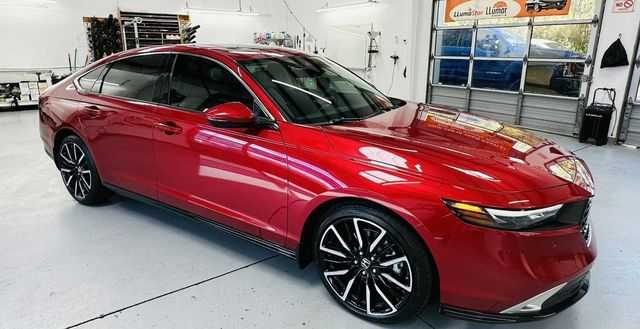
Yes, car window tinting can slightly reduce visibility, especially in low-light conditions or when the tint is very dark. However, modern tinting films are designed to balance privacy and glare reduction without significantly impairing your view. You’ll still be able to see clearly in most situations, but extreme tint darkness can pose challenges during night driving or in bad weather.
Window tinting is a popular way to enhance your vehicle’s look, provide UV protection, and improve comfort. But many drivers worry whether it affects their ability to see clearly. The good news is, when applied properly within legal limits, tinting should not drastically impair visibility. It’s all about choosing the right tint level and quality to enjoy the benefits without compromising safety. In this article, we’ll explore how different shades of tint impact visibility, and what you should consider before getting your windows tinted.

Does Car Window Tinting Reduce Visibility?
Understanding How Window Tinting Works
Window tinting involves applying thin films to a vehicle’s glass to reduce the amount of light that passes through. These films are made from various materials such as dyed, metalized, or ceramic compounds, each offering different benefits. The primary goal is to block harmful UV rays, reduce heat, and enhance privacy.
The level of tinting is measured by a tint percentage, indicating how much light can pass through the film. Lower percentages mean darker tints that block more light, while higher percentages are more transparent. Knowing how these percentages work helps determine whether tinting affects visibility.
Does Tinted Glass Truly Reduce Visibility?
Many drivers worry that tinting makes it harder to see clearly, especially at night or in bad weather. The truth is, well-installed tint films do reduce the amount of light, but not necessarily so much that driving becomes unsafe. It depends on the type and grade of tint used.
In general, darker tints can make distant objects seem less clear, particularly in low-light situations. But high-quality tint films are designed to balance glare reduction and eye comfort without significantly impairing visibility. This means you can still see well, as long as your tint is within legal limits.
Legal Limits and Safety Guidelines
Different states and countries have laws regulating how dark your window tint can be. These laws are meant to ensure driver safety by maintaining adequate visibility. For example, some regions allow up to 35% tint on the front windows, while others may have stricter rules.
It’s important to choose a tint that complies with local laws to avoid penalties or safety issues. Generally, lighter tints or those with higher Visible Light Transmission (VLT) percentages allow more natural light, which helps maintain clarity.
Impact of Tint Darkness on Night Visibility
Dark tints can reduce glare from headlights of oncoming cars, which many drivers find helpful during night drives. However, excessively dark film might make it harder to see road signs, pedestrians, or obstacles.
Studies show that tints with a VLT of 50% or higher usually don’t impair night vision significantly. Tints below this level could cause difficulty seeing in low-light conditions, especially for older drivers or those with vision impairments.
Types of Tint Films and Their Effect on Visibility
Different tint materials offer varied impacts on visibility:
- Dyed Films: Usually darker and less expensive but tend to reduce visibility more in low light.
- Metalized Films: Provide excellent heat reduction but might cause glare or reflections that interfere with vision.
- Ceramic Films: Offer the best balance of glare reduction, UV protection, and transparency, usually with minimal effect on visibility.
Choosing the right film depends on your priorities for clarity, safety, and regulation compliance.
How Tinting Affects Different Weather Conditions
Visibility can change depending on weather. For example, rain or fog can make it harder to see through tinted glass, especially if the tint is dark. Bright sunlight, on the other hand, benefits from lighter tints that cut glare without sacrificing clarity.
In foggy conditions, tint films might reflect light and worsen visibility. During heavy rain, reduced light transmission can make it harder to spot hazards. Therefore, consider these factors when selecting a tint that fits your typical driving environment.
Benefits of Properly Installed Window Tinting
When professionally applied, tint films are less likely to bubble or peel, which can affect visibility. Proper installation ensures even coverage and optimal clarity.
Tinting also reduces glare from the sun and headlights, which enhances driver comfort and safety. It can also prevent interior fading and reduce eye strain, making driving safer and more comfortable without compromising visibility.
Myths About Tinting and Visibility
Some believe that any dark tint significantly impairs visibility. This isn’t true for quality films within legal limits. In fact, many drivers find that tinting helps them see better by reducing glare.
Another myth is that tinting causes reflections that block view. Modern films are designed to minimize glare and reflection, thus maintaining clear vision. Always choose reputable installers to ensure your tinting is both legal and effective.
How to Maximize Visibility with Tinted Windows
To get the best possible visibility, consider these tips:
- Choose a tint with a high VLT percentage, especially for front windows.
- Opt for ceramic or high-quality films for better clarity and UV protection.
- Ensure professional installation to prevent bubbles or uneven application.
- Keep your windows clean, as dirt and scratches can impair visibility regardless of tint.
Maintaining your windows and selecting the proper tint ensures safety without sacrificing the benefits of tinting.
Related Topics and Considerations
Other factors influence how window tinting affects visibility:
- Window Tint Maintenance: Regular cleaning prevents haze and maintains clarity.
- Window Transparency and Film Quality: Higher-quality films tend to be clearer and more durable.
- Impact on Resale Value: Well-chosen tint can improve privacy and aesthetics, adding value.
- Climate Considerations: Hotter climates benefit from darker tints that reduce heat, without compromising visibility.
Knowing these details helps you decide the best tint for your vehicle based on your needs and local laws.
Summary: Does Car Window Tinting Reduce Visibility?
In summary, window tinting can slightly reduce visibility, especially if the tint is very dark or improperly applied. However, reputable films and professional installation allow drivers to enjoy benefits like heat reduction, UV protection, and glare reduction without sacrificing safety. Understanding the type of film, legal restrictions, and your driving environment will help you choose the perfect tint that balances privacy and visibility effectively.
CARBON VS CERAMIC TINTS EXPLAINED!

Similar Posts