How Long Does Glass Coating Last And What Affects Its Durability

A well-applied glass coating can keep your vehicle looking shiny and protected for up to two to five years, depending on maintenance and driving habits. If you’re wondering about the longevity of this popular car protection, you’re in the right place. Glass coatings are designed to create a durable, water-repellent barrier that enhances your vehicle’s appearance while offering protection against dirt, scratches, and UV rays. On average, you can expect a properly maintained coating to last around three years, but with regular care, some coatings can serve up to five years. The lifespan varies based on factors like the quality of the product, how often you wash your car, and environmental exposure. Understanding these factors can help you maximize the lifespan and keep your car looking its best longer.
When it comes to how long a glass coating lasts, most garages and professionals claim a lifespan ranging from 2 to 5 years. It’s crucial to maintain your vehicle properly and avoid harsh chemicals to get the most out of your investment. Regular washes, avoiding abrasive materials, and applying maintenance products can significantly extend the coating’s durability. Ultimately, the longevity of a glass coating hinges on your care routine and environmental conditions, but with proper upkeep, your car can stay shiny and protected for many years to come.

How Long Does Glass Coating Last?
Understanding the Durability of Glass Coating
Glass coatings are popular for protecting surfaces like car exteriors, glass surfaces, and other materials. Typically, their lifespan varies depending on several factors. Most coatings last between one to five years. However, some high-quality coatings can endure even longer with proper maintenance.
Factors That Affect the Longevity of Glass Coatings
The lifespan of a glass coating depends on various elements. These include the quality of the coating material, application process, and environmental conditions.
Quality of the Coating Material
High-grade coatings usually last longer than cheaper alternatives. Premium coatings are formulated with advanced chemical compounds that resist wear and tear better.
Application Technique
Proper preparation and application are crucial to maximize the lifespan. Skilled application ensures the coating bonds effectively and reduces early deterioration.
Environmental Exposure
Surfaces exposed to harsh conditions like extreme heat, cold, salt, or UV rays tend to deteriorate faster. Vehicles regularly driven on salted roads or in sunny climates may see their coating diminish sooner.
Expected Lifespan of Different Types of Glass Coatings
Different coatings are designed with varying longevity in mind. Here’s an overview of common types and their typical durability.
| Type of Coating | Expected Duration | Remarks |
|---|---|---|
| Basic Glass Coatings | 1 to 2 years | Affordable option, suitable for light protection |
| Mid-Range Coatings | 2 to 3 years | Offers better resistance to scratches and UV rays |
| High-End Coatings | 3 to 5 years or more | Longest-lasting, provides superior protection |
Signs That a Glass Coating Is Worn Out
Knowing when your coating needs a refresh is key.
Reduced Water Beading
If water no longer beads up and sheets off the surface, the coating might have lost its hydrophobic properties.
Increased Surface Contamination
Dirt and grime stick more easily, indicating the coating’s protective layer has thinned.
Loss of Shine
The surface appears duller or hazier, reducing aesthetic appeal.
Maintaining Your Glass Coating for Longer Life
Good maintenance can significantly extend the lifespan of your coating.
Regular Washing
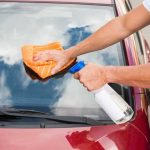
Use pH-balanced shampoos and soft cloths to clean surfaces. Avoid harsh chemicals that can degrade the coating.
Seeking Professional Touch-Ups
Visit specialists for periodic reapplications, especially if signs of wear appear early.
Parking in Shade and Using Cover
Minimize exposure to elements like sunlight and bird droppings to prevent early degradation.
Benefits of a Long-Lasting Glass Coating
A durable coating saves money and effort over time.
- Reduces frequency of washes and detailing
- Protects surface from scratches and stains
- Preserves aesthetic appeal with a glossy finish
- Maintains cleaner surfaces due to hydrophobic properties
Comparing Glass Coating Lifespan to Other Protective Options
While glass coatings provide excellent protection, they aren’t the only choice.
Wax and Sealants
Wax typically lasts a few weeks to a few months. Sealants may last up to six months.
Paint Protection Films
These films can last up to ten years but are more expensive.
How Glass Coating Stacks Up
Compared to these options, glass coatings generally offer a longer-lasting shield with less maintenance.
Advancements in Glass Coating Technology
Recent improvements include nanotechnology-based coatings, making them more durable and easier to maintain. These innovations can increase lifespan beyond traditional options with proper care.
Pricing Considerations and Value
Longer-lasting coatings often cost more initially but reduce the need for frequent reapplications. Investing in high-quality coatings can offer better protection and save money over time.
Environmental Impact on Glass Coating Health
Pollution, UV rays, and chemicals accelerate coating deterioration. Regular washing and applying protective sprays can help mitigate these effects and extend the coating’s lifespan.

Similar Posts