How Much Car Window Tint Is Legal Guide 2023
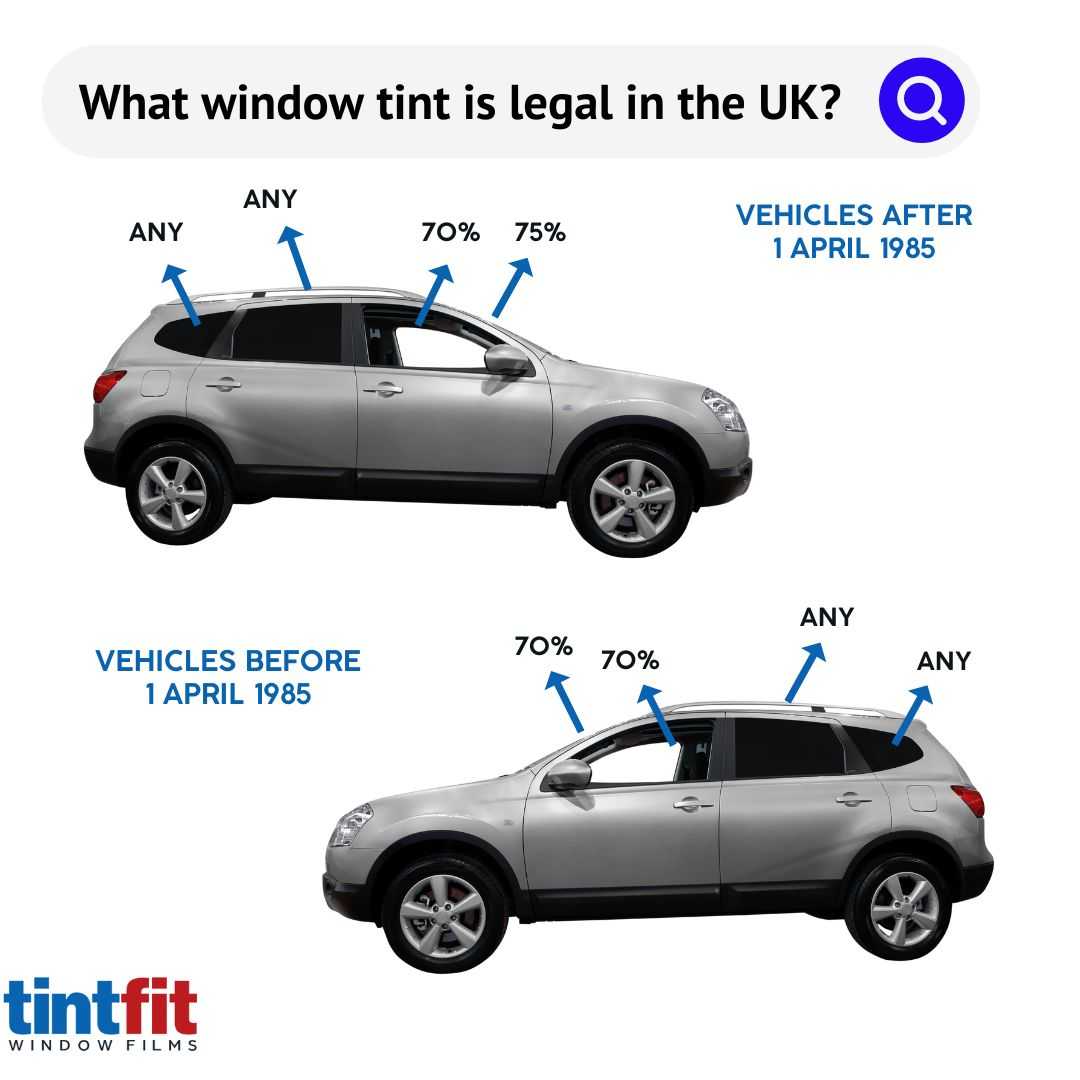
The legality of car window tint varies depending on where you are, but generally, the darkest tint allowed on the front side windows is around 35% to 70% visible light transmission (VLT). Always check your local regulations before tinting to avoid fines or having the tint removed.
In short, most regions permit front side windows to have a VLT of at least 35-70%, while the rear windows often have more leniency. The exact limits depend on your state or country, so it’s important to confirm with local authorities to ensure compliance.
Window tinting can give your vehicle a sleek look and reduce heat and glare, but staying within the legal limits is crucial to avoid penalties. The rules are designed to ensure safety and visibility for drivers, passengers, and law enforcement. While laws can differ significantly, understanding the general ranges can help you make an informed decision about tinting your car windows without crossing legal boundaries.

How Much Car Window Tint Is Legal?
Understanding State and Local Regulations
Each state or city may have different rules about how dark your car windows can be. These rules are often set by the Department of Motor Vehicles or local traffic authorities. It is essential to check your area’s specific laws to avoid fines or penalties.
State laws typically specify the minimum **Visible Light Transmission** or VLT percentage** allowed for different windows. For example, some states allow up to 70% VLT on the front windows, while others may restrict it to 50% or less.
Local regulations can further restrict tinting on certain windows like the windshield or rear windows. Always review official guidelines to stay within legal limits.
What is VLT and Why Does It Matter?
VLT stands for **Visible Light Transmission**. It measures how much light passes through your car windows. The higher the VLT percentage, the lighter the tint.
A window with a 70% VLT allows 70% of sunlight to pass through, making it relatively light. Conversely, a 20% VLT tint blocks 80% of sunlight and is much darker.
Knowing your state’s allowed VLT helps you select window tinting that is both effective and legal. Using illegal tint can lead to tickets or your car failing inspection.
Legal Tint Percentages for Different Windows
Most regulations specify different standards for various windows on your vehicle. Here’s an overview:
| Window | Typical Allowed VLT Percentage | Additional Notes |
|---|---|---|
| Windshield (Top Strip) | usually 70% or higher | Many states restrict tinting the windshield except for a small strip at the top |
| Front Side Windows | commonly between 50% to 70% | Check your local law for exact percentage |
| Back Side Windows | often darker, 20% to 35% | Some states allow darker tint on rear windows |
| Rear Window (including rear windshield) | may be darker, similar to back side windows | Restrictions vary widely; always verify local laws |
Keep in mind, these allowed percentages can vary considerably depending on the state or city.
Additional Rules for Specific Vehicle Types
Some states impose special restrictions based on vehicle type. For example, commercial vehicles or specialty cars may have different tinting allowances.
Certain laws may also require side mirrors if rear windows are tinted darker than a specific VLT.
Furthermore, some places prohibit reflective or mirrored tinting that can cause glare and pose safety issues.
Consequences of Non-Compliance
Driving with illegal tint can lead to several penalties. You might get pulled over and fined by law enforcement.
Officers can require you to remove or replace illegal tint, which might be costly.
Repeated violations could even lead to court summons or vehicle registration issues.
Always ensure your tint complies to avoid these problems and maintain safe driving conditions.
How to Verify Your Car’s Tint Legality
The best way to confirm your tint’s legality is by:
- Consulting your state’s DMV or motor vehicle department website
- Visiting a professional tinting shop that understands local laws
- Using a light meter device to measure your window’s VLT before installation or use
A professional installer can help you select the right tint and ensure it meets legal standards.
Tips for Choosing Legal Window Tinting
To stay within the law and get good tinting, consider these tips:
- Know your state’s allowed VLT percentages for each window
- Choose high-quality tint films that match legal requirements
- Have a professional installer apply your tint for a neat, compliant finish
- Keep documentation or receipts showing your tint’s specifications
- Regularly check for any changes in local window tint laws
Practicing these tips helps prevent future issues and ensures your vehicle remains compliant.
Controversies and Movements Around Tint Laws
Some drivers find tint laws restrictive because they limit personalization and comfort.
Advocates argue that darker windows improve privacy and reduce sun glare, making driving safer and more comfortable.

Similar Posts