How Much Does Full Car Window Tint Cost? A Complete Guide
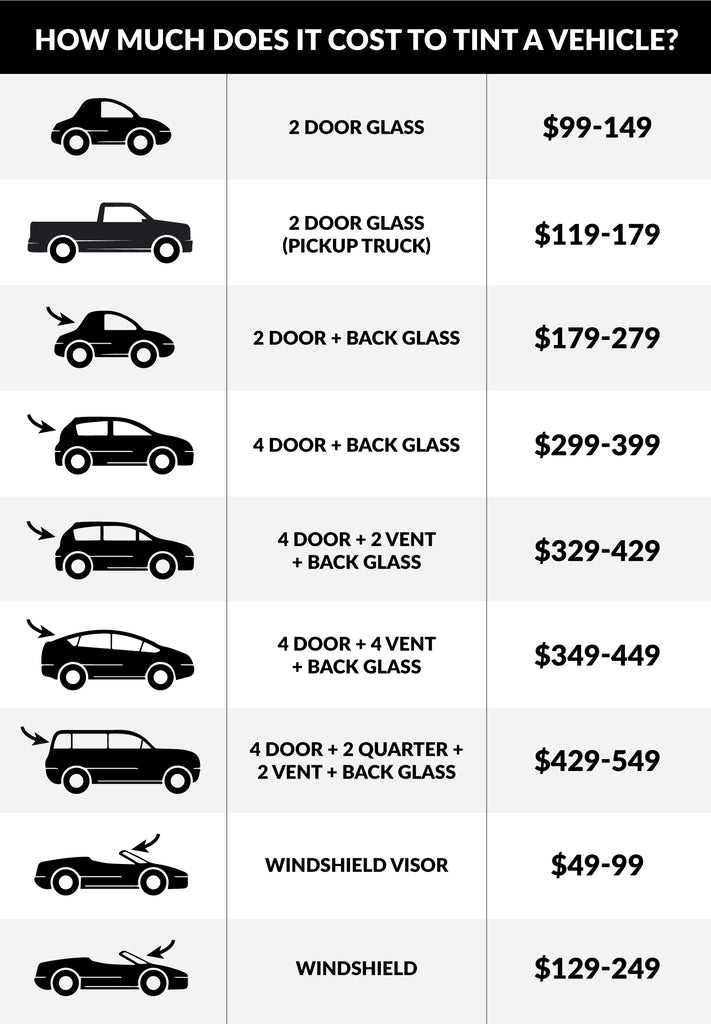
The cost of fully tinting your car windows typically ranges between $200 and $600, depending on the quality of the film and the size of your vehicle. On average, expect to pay around $300 to $400 for professional installation of high-quality tint. The price can vary widely based on factors like the type of tint, car model, and location, but investing in good quality tinting provides better heat rejection, UV protection, and privacy.
Getting your car windows fully tinted can significantly enhance your driving experience, offering comfort, privacy, and protection from the sun’s harmful rays. The process involves applying a special film to your vehicle’s glass, which can be a straightforward or costly upgrade depending on your choices. Whether you’re aiming for a sleek aesthetic or seeking better interior preservation, understanding the costs involved helps you make an informed decision. Keep reading to learn more about what influences tinting prices and how to choose the best option for your car.

How Much Does Full Car Window Tint Cost?
Understanding the cost of a full car window tint can help you plan your budget better. Prices vary depending on several factors, which we will explore in detail. Whether you want to block out the sun or increase your car’s privacy, knowing what to expect helps you make an informed decision.
Factors Affecting the Cost of Full Car Window Tint
Several elements influence the overall price of tinting a complete vehicle. These include the type of tint film used, the size of your car, and where you get the job done. It’s important to consider each factor to get an accurate estimate.
Type of Tint Film
Different tint films come at various price points and offer different benefits. Common options include dyed, metallic, ceramic, and carbon films. Each has its strengths and drawbacks, which affect the cost.
- Dyed Window Tint: Most affordable option, usually costing between $100 and $300 for a full car. It provides basic heat and glare reduction but less durability.
- Metallic Tint: Slightly pricier, around $200 to $400. Adds durability and better heat rejection but can interfere with electronic signals.
- Ceramic Tint: Top-of-the-line, with prices ranging from $300 to $800. Offers superior heat rejection, UV protection, and durability without signal interference.
- Carbon Tint: Costs about $200 to $600. Combines good heat and UV protection with a matte finish that resists fading.
Size and Type of Vehicle
The size of your car greatly affects the cost because larger vehicles require more material and labor. SUVs and trucks tend to be more expensive than sedans or compact cars.
- Compact Cars: Usually cost between $150 and $300.
- Sedans: Range from $200 to $400.
- SUVs and Trucks: Typically between $300 and $600, sometimes more for larger models.
Labor and Installation Quality
Professional installation can impact the cost significantly. Cheaper services might save you money upfront but may result in bubbles or uneven tinting. High-quality installers charge more but provide better results and warranties.
The price for professional installation typically ranges from $50 to $200 depending on the complexity and location.
Average Cost Range for Full Car Window Tinting
On average, expect to spend between $150 and $600 to tint all windows of your car. This includes both the material costs and professional installation. Below is a table summarizing typical costs based on vehicle types:
| Vehicle Type | Average Cost Range |
|---|---|
| Compact Car | $150 – $300 |
| Sedan | $200 – $400 |
| SUV / Truck | $300 – $600 |
Additional Costs to Consider
Extra charges might include removal of old tint, special requests, or window shape complexity. These can add $50 to $150 to your total.
Removing Old Tint
If your vehicle already has tint, removing it can be time-consuming and may require extra fees. Removing old tint costs between $50 and $100 depending on the scope of work.
Custom or Specialty Films
Some car owners prefer specific films like reflective or colored tints, which tend to be more expensive—sometimes up to $1000 for high-end options. These films often require special installation techniques.
Cost Savings Tips
Shopping around and choosing the right type of tint can save you money. Compare quotes from multiple installers and check reviews to ensure quality work.
Look for Packages or Promotions
Many shops offer discounts or package deals that include window tinting along with other vehicle services. Keeping an eye out for these can reduce overall costs.
Choose the Appropriate Tint Level
Legal window tint percentages vary by state or country. Selecting a compliant tint can avoid fines and additional costs for re-tinting.
Legal Regulations and Tinting Laws
Before getting your windows tinted, it’s vital to know local laws regarding tint darkness and reflectivity. Failing to follow regulations can lead to fines and needing to remove the tint.
Most regions specify the minimum visible light transmission (VLT) percentage for front and rear windows. For example, some areas allow up to 70% VLT on front windows but restrict darker tints on the windshield.
Common Legal Limits
- Front Side Windows: Usually 50% to 70% VLT
- Back Side and Rear Windows: Often up to 20% to 35% VLT
- Windshield: Typically only UV protection films allowed, no tint or very light tint
Penalties for Violations
Getting illegal tint may lead to fines, required removal, or both. It’s best to verify your local laws before proceeding.
DIY vs. Professional Tinting Costs
Some car owners consider applying tint themselves to save money.
DIY Tinting
Material costs for DIY tint kits range from $50 to $200. However, this option requires patience and skill. Improper installation can cause bubbles, peeling, or uneven appearance.
Professional Installation
While more expensive, professional tinting ensures a clean, durable, and properly fitted film. This often comes with a warranty protecting your investment.
Final Thoughts on Full Car Window Tint Cost
The actual expense of tinting all your car windows depends on your choices and regional factors. Think about the type of tint, vehicle size, and labor quality when budgeting. High-quality films like ceramic or carbon tend to last longer and offer better protection, justifying their higher price.
Always get quotes from reputable installers and check for warranties. Properly tinted windows not only improve your car’s look but also protect you from the sun’s harmful rays.
How Much Does Window Tint Cost?

Similar Posts


















