How To Check If Your Replacement Windshield Is Safe

To quickly determine if your replacement windshield is safe, check for proper installation, clear visibility, and absence of cracks or chips. Ensure it was installed by a professional, test drive to feel for any unusual movements, and inspect for gaps or defects. If everything looks good and feels solid, your windshield is likely safe.
Replacing a windshield is a crucial repair that impacts your safety on the road. But how can you be sure your new windshield is properly installed and secure? First, look for signs of proper fitting, such as no gaps around the edges and a sealed surface. Next, test your windshield during a short drive—pay attention to whether it wobbles or makes noise—and inspect for any cracks or chips that can compromise its integrity. Proper installation by certified technicians is essential, so always choose experienced professionals. Making sure these key aspects are checked gives you peace of mind knowing your replacement windshield can keep you safe on every journey.

How to check if your replacement windshield is safe
Understanding the importance of a safe windshield
A properly installed and safe windshield is crucial for your safety while driving. It helps keep you protected from external elements and supports the structural integrity of your vehicle. A faulty windshield can lead to serious problems, including impaired visibility and increased risk of injury during accidents.
Visual inspection: the first step
Start by examining your windshield visually. Look for any obvious signs of damage such as cracks, chips, or scratches. Small chips can often be repaired if caught early, but large cracks may require a full replacement. Ensure that the windshield appears clear and free of any foggy or cloudy areas which could indicate internal damage.
Check for cracks and chips
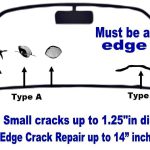
– Cracks should be less than six inches long for repair options.
– Chips larger than a quarter or located near the driver’s line of sight may need replacement.
– Inspect both the inside and outside surfaces for chips and cracks.
Look for signs of improper installation
– Examine the edges of the windshield for gaps or uneven sealing.
– Check if the windshield appears loose or wobbly.
– Look for any misaligned borders or uneven gaps around the glass.
Assessing the integrity of the windshield
A safe windshield must be securely attached to the vehicle and free of defects that can compromise its strength. Proper adhesion and absence of damage ensure that the windshield can withstand stress and impacts.
Perform the “tap test”
Gently tap the windshield with a small object like a coin or your finger. The sound should be clear and consistent across the surface. A dull or hollow sound may indicate internal damage or improper installation.
Check for moisture or fogging
Look along the edges and inside the glass for signs of moisture or fogging. These can point to seal failures, which may allow water to enter and weaken the structure over time.
Evaluating the quality of replacement materials
The materials used in your replacement windshield significantly impact safety. Ensure that your windshield is made of high-quality, laminated glass compliant with safety standards.
Verify manufacturer specifications
– Confirm that the windshield meets industry standards such as the DOT (Department of Transportation) or ECE (Economic Commission for Europe) certification.
– Look for a label or sticker indicating compliance and the manufacturing date.
Check for proper tinting and UV protection
A safe replacement should have appropriate tinting where needed and provide UV protection. This prevents sun damage and reduces glare, improving visibility.
The importance of professional installation
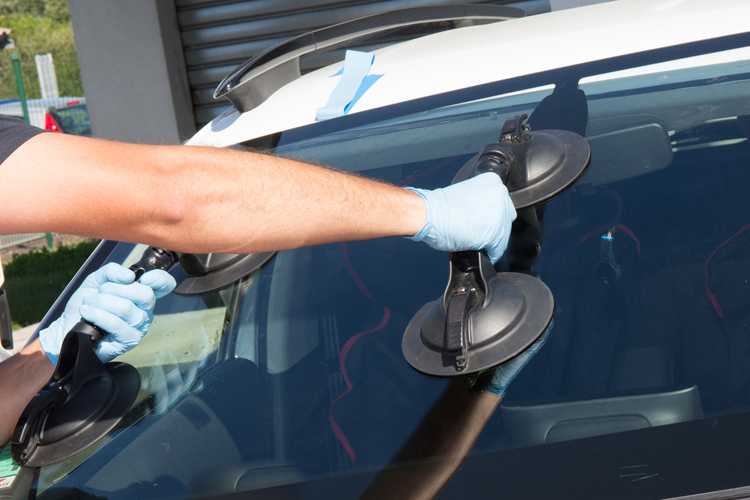
Even the highest quality windshield is unsafe if not installed correctly. Proper installation ensures the windshield stays in place and performs correctly during driving and accidents.
Look for signs of professional installation
– Clean and well-sealed edges without excess adhesive.
– No visible gaps or unevenness.
– The installer should provide certification or warranty documentation.
Beware of DIY repairs or installations
If you attempted to install or repair the windshield yourself, verify the work thoroughly or seek professional help. Incorrect installation can cause leaks or weaken the glass.
Testing visibility and functionality
Your windshield should provide clear visibility without distortions or obstructions.
Check for distortion or bubbles
– Look through the entire surface for warped areas or bubbles.
– Small optical distortions can impair your vision and should be corrected.
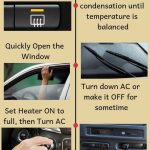
Test windshield wipers and defrosting
– Make sure wipers sweep smoothly without streaks.
– Verify that the defrosting system clears the glass efficiently.
– Proper functioning indicates a good seal and no internal damage.
Monitoring long-term performance
Once your windshield is installed and appears safe, monitor its performance over time. Regular checks can prevent safety issues before they become serious.
Schedule routine inspections
– Inspect for new cracks or damage periodically.
– Keep an eye on the edges and seal integrity.
Be cautious after impacts or accidents
– Even minor impacts can weaken the glass.
– If you notice new cracks or chips after a bump, have it inspected and repaired promptly.
Additional tips for ensuring your windshield’s safety
– Always opt for certified replacement glass.
– Consider professional installation services for peace of mind.
– Avoid using aftermarket parts that do not meet safety standards.
– Keep your windshield clean to maintain visibility and prevent damage.
Related topics to consider
Choosing the right replacement windshield
Select a windshield that matches your vehicle’s make and model, and complies with safety standards for optimal protection.
Understanding windshield warranties
A good warranty can cover repairs or replacements if problems arise shortly after installation, ensuring your investment remains protected.

Similar Posts