How To Fix A Foggy Car Window: Easy Solutions

To quickly clear a foggy car window, turn on your defroster and increase airflow while adjusting the temperature. Using the air conditioning can also help dehumidify the air inside the car, clearing the fog faster. Keep your windows slightly open if safe, to allow moisture to escape.
If your car windows fog up, the key is to reduce moisture inside the vehicle and improve airflow. Turning on the defroster and AC helps dry the air and clear the windows swiftly. Regularly cleaning your windows and using anti-fog treatments can prevent future fogging, keeping your visibility clear and driving safer.
Foggy car windows can be a frustrating obstacle when you’re trying to get somewhere quickly. It’s especially common during cold or humid weather when moisture condenses on the glass. If you’re tired of constantly wiping your windows or struggling to see clearly, there are simple steps you can take to fix the fog problem fast. From adjusting your car’s climate controls to preventive measures, this guide will show you practical ways to keep your windows clear and ensure safe driving conditions at all times.

How to Fix a Foggy Car Window
Understanding Why Car Windows Become Foggy
Puffy or foggy car windows happen when moisture gets trapped inside the glass. This usually occurs because of temperature differences between the inside and outside of the vehicle. When warm, humid air hits the cooler surface of the window, condensation forms, creating fog. Recognizing the main causes helps you choose the best solution quickly.
Some common reasons include high humidity inside the car, rapid temperature changes, or damaged window seals. If you notice persistent fogging, it’s crucial to address it early to maintain clear visibility and safety while driving. A thorough understanding of these causes helps prevent future fogging.
Steps to Remove Existing Fog from Car Windows
The first step to fixing a foggy window is removing the condensation that is already present. Here’s a straightforward process:
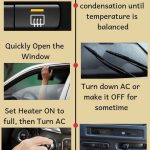
- Turn on the defrost setting on your vehicle’s climate control system. Set it to high heat and cold air circulation to dry out the moisture.
- Increase the air circulation by opening the windows slightly if possible. This allows moist air to escape and fresh, dry air to circulate inside.
- Use a clean microfiber cloth or a dry towel to wipe the interior of the glass gently. Avoid scratching the surface.
- If your car has a defogging button, press it to activate the front or rear defogger. These are designed to quickly remove fog.
- Consider using an anti-fog spray or solution to prevent fogging from returning soon after cleaning.
Controlling humidity and improving airflow are essential for rapid fog removal. Consistently keeping the interior dry can help prevent future fogging episodes.
Preventing Future Fogging: Regular Maintenance Tips
Prevention is better than cure when it comes to foggy windows. Here are key practices to keep your windows clear in the future:
Use the Air Conditioner and Defogger Properly
Keeping the air conditioning running on a dry setting reduces interior moisture. Always turn on the defogger when you notice fog forming. This helps keep the glass clear and visibility high.
Maintain Your Vehicle’s Seals
Inspect door and window seals regularly for cracks or damage. Damaged seals allow moisture to seep inside, increasing the chances of fogging. Replace any worn or broken seals promptly.
Reduce Interior Humidity
To lower humidity:
- Use moisture-absorbing products like silica gel or desiccant packs inside your vehicle.
- Keep windows slightly open during parking in humid weather to let moist air escape.
- Socket out or remove mats and upholstery that can trap moisture.
These practices help keep the interior dry, reducing fog formation.
Cleaning and Applying Anti-Fog Products
A clean surface is key to preventing fogging. Cleaning the windows regularly removes dirt and oils that can attract moisture.
How to Clean Car Windows Effectively
Use a high-quality glass cleaner. Spray it on a microfiber cloth and wipe the glass thoroughly. Be sure to clean the edges and corners as well to remove all residues.
Applying Anti-Fog Coatings
Anti-fog sprays create a thin, transparent film that prevents condensation. To apply:
- Clean the glass thoroughly and dry it completely.
- Spray the anti-fog solution evenly across the surface.
- Use a clean microfiber cloth to spread the product uniformly.
- Follow the manufacturer’s instructions for reapplication intervals.
These products work best when applied regularly and kept clean.
DIY Solutions for Fog Removal and Prevention
Many effective home remedies can help fix and prevent foggy windows.
Vinegar Solution
Mix three parts water with one part vinegar in a spray bottle. Spray this mixture on the inside of the windows and wipe with a microfiber cloth. Vinegar leaves a film that repels moisture.
Baking Soda Paste
Make a paste of baking soda and water. Apply it to a clean cloth and wipe the glass gently. This helps absorb excess moisture and reduces fogging.
Using Commercial Products
Look for trusted anti-fog sprays or wipes designed for automotive use. Follow the instructions carefully for best results. They are often more reliable for long-term fog prevention.
Addressing Underlying Causes for Long-Term Solutions
Persistent fogging might be related to deeper issues. Address these to avoid recurrent fogging problems.
Checking for Water Leaks
Water leaks can cause interior dampness. Inspect your vehicle’s door and window seals for damage or leaks. Repair or replace damaged parts to prevent excessive moisture.
Ensuring Proper Ventilation
Good airflow prevents moisture buildup. Keep vents unblocked and use the vehicle’s ventilation system regularly. Consider fitting additional vents if necessary.
Replacing Worn Seals and Weatherstripping
Over time, seals degrade and allow moisture to enter. Replacing worn seals is a crucial step to secure your vehicle against fogging.

Similar Posts