How To Make Car Window Fog Go Away Quickly And Easily

To clear foggy car windows quickly, turn on the defrost setting and increase airflow while using the air conditioning to reduce moisture. Wiping the windows with a cloth or using anti-fog products can also help prevent fog buildup. These simple tricks will have your windows clear in minutes, ensuring a safer and more comfortable drive.
Foggy car windows can turn a smooth ride into a frustrating experience, especially during cold or humid weather. The condensation forms when warm, moist air hits the cold glass, creating a foggy layer that impairs visibility. Fortunately, there are effective ways to clear this up fast—by adjusting your car’s climate controls and using anti-fog solutions. In this article, we’ll explore easy and practical tips to keep your windows crystal clear, so you can focus on the road ahead without distractions or worry. Whether you’re dealing with sudden fog or persistent moisture, these methods will get your windows clear in no time.

How to Make Car Window Fog Go Away: Effective Tips and Techniques
Understanding Why Car Windows Fog Up
Foggy car windows happen when warm, moist air inside your vehicle meets the cooler glass surface. This moisture condenses into tiny water droplets, creating fog that impairs visibility.
Factors that increase window fogging include high humidity levels inside the car, cold exterior temperatures, and insufficient ventilation.
Knowing the main causes helps you choose the best methods to clear your windows quickly and keep them clear.
How Temperature and Humidity Affect Fogging
Warm, humid air is a primary cause of foggy windows. When your car’s interior is warmer than outside air, moisture can form on the cooler glass.
High humidity inside your car results from breathing, wet clothes, or weather conditions, increasing fogging chances.
Reducing humidity and balancing temperature differences are essential steps to prevent and clear fog buildup efficiently.
Simple Ways to Clear Foggy Windows Immediately
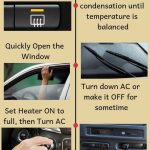
- Use Your Car’s Defroster: Turn on the front defrost setting to direct warm air onto the windshield. This quickly raises the glass temperature and evaporates condensation.
- Increase Air Circulation: Turn on the air conditioning or open windows slightly to improve airflow and exchange humid air with drier outside air.
- Utilize the Air Conditioner: Even in cold weather, the AC dehumidifies the air inside the car, helping to reduce fog formation.
- Wipe the Windows: Use a clean microfiber cloth to wipe off excess moisture temporarily. This is a quick fix but not a long-term solution.
Best Long-Term Solutions to Prevent Foggy Windows
Adjusting Your Car’s Climate Control Settings
Properly setting your climate control system is vital for ongoing fog prevention.
Set the fan to high and ensure the air is directed toward the windshield and side windows.
Activate the air conditioning, even in cold weather, to dehumidify the air inside your vehicle.
Using the Vehicle’s Defogging Features
Modern cars come equipped with defogging options designed specifically to combat window fog.
Engage the defogger button, which often combines heated windshield functions with air circulation.
Follow the manufacturer’s instructions for optimal use, as some systems can be more effective than others.
Additional Tips for Fog-Free Windows
Keep Windows and Windshields Clean
Regular cleaning removes dirt and oil, which can trap moisture and promote fogging.
Use a glass cleaner and a microfiber cloth to ensure a streak-free, clear surface.
Avoid greasy or oily residues that impair visibility and increase condensation.
Maintain Your Car’s HVAC System
A well-maintained heating, ventilation, and air conditioning (HVAC) system improves airflow and reduces humidity.
Change filters regularly, as clogged filters diminish system effectiveness.
Check for leaks or issues that could compromise air quality and circulation.
Use Anti-Fog Products and Films
Applying anti-fog sprays or coatings creates a barrier that prevents water droplets from forming on glass surfaces.
Look for products safe for vehicle glass and follow application instructions carefully.
Consider installing anti-fog film on your windows for an ongoing, low-maintenance solution.
How Weather Conditions Influence Fogging
Cold weather increases the likelihood of fogging because the temperature difference between inside and outside is more significant.
High humidity, rain, or snow outside can raise interior moisture levels, making fogging worse.
Monitoring weather forecasts helps you prepare and adjust your car’s climate controls proactively.
Proper Ventilation Tips
Good ventilation is crucial for reducing internal humidity.
Crack open windows slightly to allow moisture to escape and dry out the air.
Use the recirculation mode only temporarily, as it can trap humid air inside the vehicle.
Using Desiccants to Reduce Moisture
Silica gel packs or other desiccants can absorb excess moisture inside your vehicle.
Place desiccant bags in the glove box or behind the seats for continuous moisture removal.
Replace or recharge desiccants periodically for maximum effectiveness.
Tips for Preventing Fogging in Different Weather Conditions
- In cold weather: Use the defroster combined with the AC to dry the air inside and warm the glass.
- In humid weather: Use dehumidifier products and keep windows closed when possible.
- During rainy or snowy days: Ensure your vehicle’s HVAC system is set to maximize dehumidification, and clean windows regularly to prevent buildup.
Safety Tips When Dealing with Foggy Windows
Always prioritize safety by clearing your windows before driving.
Avoid using overly wet cloths or sprays that could cause streaks or impede visibility.
If fogging persists despite adjustments, seek professional vehicle maintenance assistance.
Summary Table of Fog Prevention Tips
| Method | Description | Best Use |
|---|---|---|
| Defroster | Direct warm air on windshield | Immediate fog removal, quick recovery |
| Air Conditioning | Dehumidifies air inside car | Prevents fog buildup over time |
| Increase Ventilation | Bring in drier outside air | Continuous fog reduction during driving |
| Anti-Fog Products | Create moisture-resistant barrier | Long-term prevention on windows |
| Window Cleanliness | Remove dirt/oil for better visibility | Improves effectiveness of other methods |
Final Thoughts on Keeping Car Windows Fog-Free
Maintaining a clear windshield is essential for safe driving.
Using the right combination of climate control, cleaning, and preventive products makes a big difference.
Stay aware of weather conditions and adjust your approach accordingly for the best visibility every time you drive.
How to fix windshield fogging?#tips #car #shorts #tutorial #driving
Frequently Asked Questions
What steps can I take to reduce fog on my car windows quickly?
To clear fog rapidly, turn on your vehicle’s defrost setting and set the temperature to warm. Increase the fan speed to circulate air efficiently. Using the air conditioning can also help dehumidify the air inside the car, which helps prevent fog formation. Opening windows slightly can bring in drier outside air, aiding in faster fog removal.
How does using the air conditioning affect foggy windows?
Turning on the air conditioning reduces moisture inside the vehicle by removing humidity from the air. This decrease in humidity makes it less likely for fog to form on your windows. It’s an effective way to clear existing fog and prevent new fog from developing during humid conditions.
Are there any quick fixes I can apply to prevent fog from forming during a drive?
Applying a defogging product or anti-fog spray to your windows creates a thin, transparent barrier that reduces condensation. Additionally, keeping the vehicle well-ventilated by using the fresh air setting rather than recirculating air can help maintain lower humidity levels inside the car, minimizing fog buildup during your drive.
How can I prevent foggy windows during cold weather?
Preheat your vehicle before driving and ensure the defrost setting is active. Use the air conditioning along with the heater to control humidity levels inside the car. Keeping your windows clean with a proper anti-fog treatment also helps prevent fog from forming as cold temperatures set in.
What maintenance tips can help avoid persistent window fog issues?
Regularly clean your windows with a glass cleaner and apply anti-fog treatment to reduce condensation. Check that your vehicle’s ventilation system is working properly to ensure good airflow and dehumidification. Repair any leaks or seals that might allow moisture to enter the cabin, which can contribute to ongoing fog problems.
Final Thoughts
To make car window fog go away, start by turning on your car’s defrost setting. Adjust the temperature to warm and increase airflow to dry the moisture. Use the air conditioning to help remove humidity inside the vehicle. Additionally, wiping the inside of the windows with a clean cloth can provide quick relief. Following these steps ensures clear visibility and safer driving in foggy conditions.

Similar Posts