How To Remove Scratches From Car Windows At Home Effectively
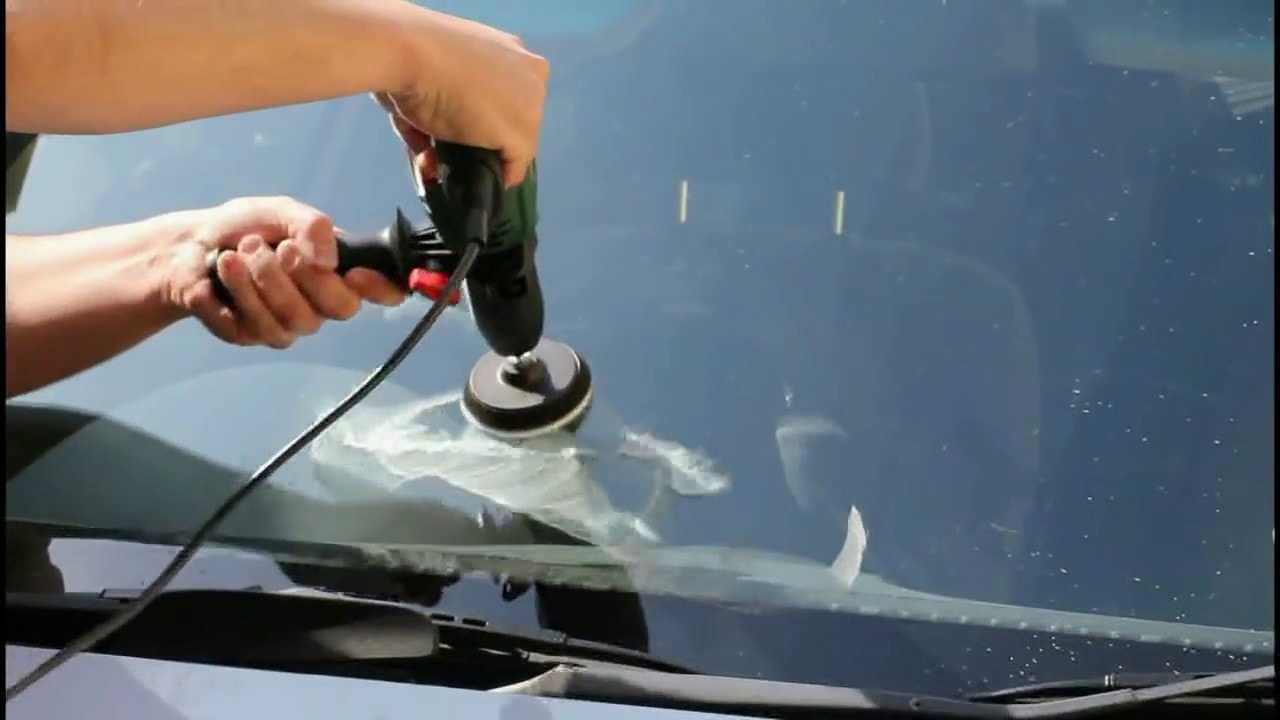
To remove scratches from car windows at home, start by cleaning the glass thoroughly to remove dirt and debris. Then, use a whitening toothpaste or a specialized glass polish along with a soft cloth and gentle circular motions to buff out minor scratches. If scratches are deeper, applying a glass repair kit or considering professional help might be necessary. Always test any product on a small area first to avoid further damage.
Getting rid of scratches on your car windows doesn’t have to be a costly or complicated process. With a few household items and some patience, you can make minor imperfections less noticeable and restore clarity to your windows. Whether it’s a small scuff or a tiny scratch, tackling the problem at home can save time and money while improving your vehicle’s appearance. Keep reading to learn simple, effective methods to maintain your car’s windows without leaving your driveway.

How to Remove Scratches from Car Windows at Home
Understanding Car Window Scratches
Scratches on car windows can happen for many reasons, like accidental contact with objects or harsh cleaning. Sometimes, small scratches are barely noticeable, but deeper ones can impair visibility and look unsightly. Knowing what causes these scratches helps in choosing the right removal method.
Types of Car Window Scratches
There are generally two types of scratches on car windows:
- Surface scratches: These are shallow and affect only the clear outer layer. They can often be repaired easily at home.
- Deep scratches: These penetrate into the glass or plastic layer, making repair more difficult. Deep scratches might need professional help or replacement.
Understanding the depth of the scratch is key before starting any repair process. Carefully examine the scratch in good lighting to determine its severity.
Preparing for Scratch Removal
Before attempting to remove scratches, gather all necessary supplies. Clean the window thoroughly to remove dirt and grime, which can interfere with repair products. Use a soft cloth and a glass cleaner to ensure the surface is free from debris and dust.
Ensure the area is dry and free from moisture. Working on a clean, dry surface improves adhesion of repair products. Always work in a shaded area or indoors to prevent quick evaporation of any liquids used.
Tools and Materials Needed
Here’s a list of items commonly used to remove scratches from car windows at home:
- Glass cleaner and microfiber cloth
- Toothpaste (preferably non-abrasive)
- Baking soda
- Plastic polish or glass polish
- Automotive scratch remover kit (optional)
- Fine grit sandpaper (800 to 2000 grit)
- Water and a spray bottle
- Soft applicator pads or cloths
Using the right tools ensures safety and effectiveness in scratch removal.
Step-by-Step Guide to Remove Surface Scratches
Follow these steps to effectively reduce or eliminate shallow scratches:
Step 1: Clean the Window
Start by cleaning the window with glass cleaner and a microfiber cloth. Remove all dirt, dust, and grease for a smooth working surface.
Step 2: Apply Toothpaste as a Mild Abrasive
Use a small amount of non-gel, non-abrasive toothpaste on a soft cloth. Gently rub the toothpaste onto the scratch in circular motions for about 30 seconds to 1 minute.
Step 3: Let the Toothpaste Sit
Allow the toothpaste to sit for a few minutes. This helps to polish out the shallow scratch by acting as a mild abrasive.
Step 4: Rinse and Wipe
Rinse the area with water and wipe it dry with a clean microfiber cloth. Check if the scratch has diminished.
Step 5: Repeat if Needed
If the scratch is still visible, repeat the process a few times. Be gentle to avoid creating new scratches.
Using Baking Soda for Scratch Removal
Baking soda is another natural abrasive that can help polish out minor scratches.
- Create a thick paste by mixing baking soda and water.
- Apply small amounts onto a damp cloth.
- Gently rub the paste on the scratch in circular motions.
- Allow it to sit for a few minutes before rinsing off with clean water.
- Dry the window thoroughly and check your progress.
This method is safe, inexpensive, and suitable for light scratches.
Applying Commercial Glass or Car Scratch Remover
For deeper or stubborn scratches, commercial products can be effective.
Choosing the Right Product
Select a product designed specifically for automotive glass or plastic windows. Read instructions carefully before use.
Application Process
Apply a small amount of the scratch remover to a clean cloth or applicator pad. Gently buff the product into the scratch using circular motions. Follow the manufacturer’s recommended duration.
Buff and Clean
Use a clean microfiber cloth to buff the area to a shine. Repeat if necessary, but avoid over-scrubbing to prevent further damage.
Using Fine Grit Sandpaper for Deep Scratches
In cases of deep scratches, a very gentle approach with fine grit sandpaper may help.
Preparation
Wet the sandpaper with water to reduce scratches and friction. Keep the glass wet throughout the process.
Sand Carefully
Lightly sand the scratch with the 800 grit sandpaper in a horizontal motion. Gradually switch to finer grits like 1500 or 2000 for a smoother finish.

Similar Posts


















