How To Remove Water Stains From Car Glass Effectively

To quickly remove water stains from your car glass, start by wiping the surface with a mixture of equal parts white vinegar and water, then buff with a clean microfiber cloth. Apply a glass cleaner or a specialized water stain remover for stubborn spots, and finish by polishing the glass for clarity.
Removing water stains from your car’s glass is easier than you think. These stubborn marks often come from mineral deposits left behind after rain or hard water, clouding your view and making driving less safe. Luckily, with just a few household items and a bit of patience, you can restore your windshield’s clarity and improve visibility. Whether you’re dealing with light residue or more persistent spots, quick techniques like vinegar solutions or commercial cleaners can make all the difference. Keep reading for simple, effective steps that will help you say goodbye to those water stains and keep your car looking crystal clear.

How to Remove Water Stains from Car Glass
Understanding Water Stains on Car Glass
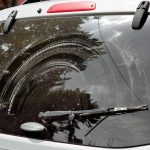
Water stains on car glass are common and often appear as cloudy or white patches. They form when mineral deposits from hard water dry on the glass surface. These deposits can be stubborn and dull the view, making driving unsafe. Knowing what causes these stains helps in choosing the right cleaning method.
Types of Water Stains and Their Causes
Water stains are mainly caused by mineral residues like calcium, magnesium, and lime. These deposits leave behind a film that is difficult to remove with regular cleaning. Sometimes, water stains may look different depending on the water quality and exposure time.
Tools and Supplies Needed to Remove Water Stains
Before starting, gather the necessary supplies for effective cleaning:
- Microfiber cloths or soft towels
- Glass cleaner or vinegar solution
- White distilled vinegar
- Citric acid or specialized water stain remover
- Spray bottles
- Plastic scraper or razor blade (optional)
- Car wax or glass sealant
Having these tools ready will make the process smoother and safer.
Step-by-Step Guide to Removing Water Stains
Effective removal involves a systematic approach. Follow these steps for the best results:
Step 1: Rinse and Prepare the Surface
Start by rinsing the glass with water to remove loose dirt and debris. This prevents scratching during cleaning. Pat the surface dry with a clean microfiber cloth.
Step 2: Apply a Cleaning Solution
Mix equal parts of white vinegar and water in a spray bottle. Spray generously over the stained area. Let it sit for a few minutes to loosen mineral deposits.
Step 3: Use a Soft Cloth or Sponge
Wipe the glass gently with a microfiber cloth or soft sponge. Avoid using abrasive materials that can scratch the glass. For stubborn stains, reapply the vinegar solution and let it sit longer.
Step 4: Scrape Off Harder Deposits (Optional)
For tough mineral buildup, carefully use a plastic scraper or razor blade at a shallow angle. Be cautious not to scratch the glass. This step can remove deposits that do not come off with cleaning alone.
Step 5: Rinse and Dry
Rinse the glass thoroughly with clean water to remove residue. Dry the surface with a clean microfiber cloth to prevent water spots.
Alternative Natural Cleaning Methods
If you prefer natural solutions, consider these options:
- Baking Soda Paste: Mix baking soda with water to create a paste. Apply directly to stains, scrub gently, then rinse.
- Lemon Juice: Lemon’s natural acidity helps dissolve mineral deposits. Spray lemon juice and let it sit before wiping off.
Natural methods are eco-friendly and often cost less but may require multiple applications.
Using Commercial Water Stain Removers
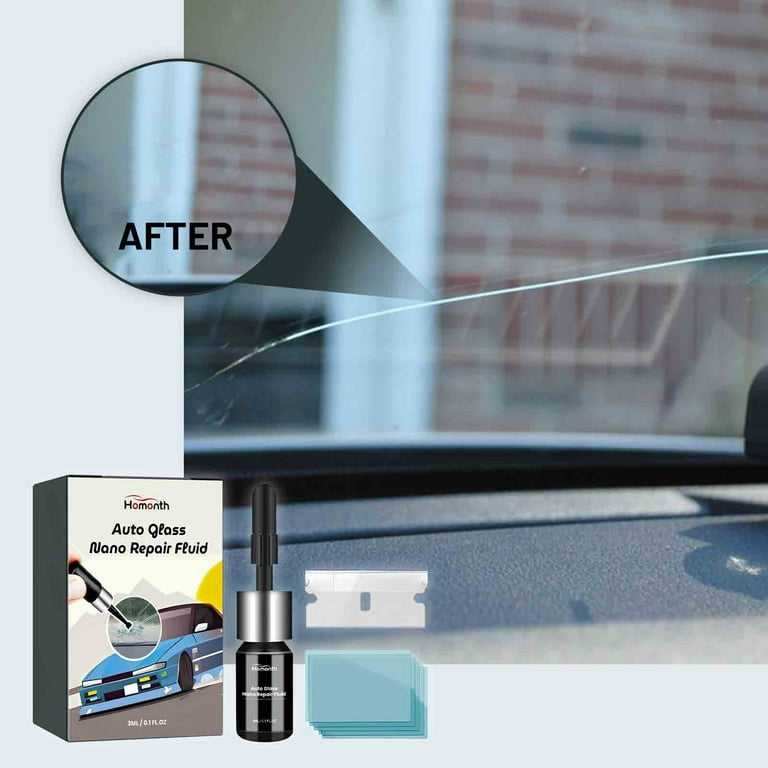
For very stubborn stains, commercial products designed for glass can be effective. Choose a product formulated specifically for mineral deposits.
How to Use Commercial Products Effectively
Follow the manufacturer’s instructions carefully. Usually, you spray the product on the stains, let it sit for a specified time, then wipe with a cloth. Rinse well afterward.
Preventing Future Water Stains
Prevention saves effort and maintains clarity. Here are tips to keep your car glass clean:
- Wash your car regularly to remove minerals before they dry on the glass.
- Use a water softener or filter when washing your vehicle.
- Dry the windows thoroughly after washing or rain to prevent spots.
- Apply a glass sealant or wax to create a protective barrier.
Applying a Glass Sealant or Wax
Sealants and waxes help repel water and minerals, reducing staining. Use a product compatible with automotive glass, applying it according to the instructions. Regular reapplications will keep your windows clear longer.
Additional Tips and Tricks
- Always test cleaning solutions on a small area first to prevent damage.
- Use non-abrasive cloths and avoid harsh scrubbing that can scratch the glass.
- Work in shaded areas to prevent quick evaporation of cleaning solutions.
- Address water stains promptly to prevent permanent damage or etching.
Common Mistakes to Avoid
- Using abrasive tools or harsh chemicals that can scratch or etch the glass.
- Waiting too long to clean stains, allowing mineral deposits to harden.
- Not rinsing thoroughly, leaving residue that attracts more dirt.
- Applying too much pressure when wiping, which can damage the glass coating.
Safety Tips for Cleaning Car Glass
Always wear gloves and work in a well-ventilated area. Keep cleaning solutions out of reach of children. Handle razor blades carefully to avoid cuts.
Summary of Best Practices
To sum up, removing water stains from car glass involves: rinsing, applying an appropriate cleaning solution, gently scrubbing, rinsing thoroughly, and drying. Using protective measures like sealants can prevent future stains. Regular maintenance is key to keeping your car’s glass clear and streak-free.
By following these detailed steps and tips, you’ll be able to effectively remove water stains and maintain pristine visibility on your car windows. Proper care not only enhances the appearance but also ensures safer driving conditions.
How To Remove Water Spots From Car Windows
Frequently Asked Questions
What is the best way to prevent water stains from forming on car glass?
To prevent water stains on your car glass, regularly wash your vehicle to remove mineral deposits and dirt. Applying a water-repellent coating or glass sealant creates a protective barrier that helps water slide off, reducing the chances of stains forming. Additionally, parking in shaded areas or using a car cover can minimize exposure to rain and environmental pollutants that contribute to staining.
Can regular household cleaners remove water stains from car glass effectively?
While some household cleaners may help, using a cleaner specifically designed for automotive glass yields better results. Products containing vinegar or glass-specific cleaners can dissolve mineral deposits without scratching the surface. Always follow the instructions carefully and avoid abrasive materials that could damage the glass finish.

Similar Posts