Is Car Coating Worth It For Your Vehicle
Absolutely, car coating can be a game-changer for your vehicle’s appearance and protection. It offers a durable shield against the elements, scratches, and stains, making your car look newer longer. Whether it’s worth the investment depends on your priorities—if you want long-lasting shine and reduced maintenance, it’s definitely worth considering. But if you’re on a tight budget or don’t want the hassle of upkeep, other options might suit you better.
In short, car coating provides excellent protection and enhances your vehicle’s look, but it requires an initial investment and some upkeep. For those who want to preserve their car’s value and appearance with minimal effort, it’s a worthwhile investment. However, understanding the costs and benefits can help you decide if it’s the right choice for your needs.
A shiny, well-protected car is everyone’s dream, but is the added cost worth it? That’s what many car owners wonder when weighing options for maintaining their vehicle’s appearance. Car coating, a popular trend in auto care, promises long-lasting gloss and protection, but it can be a significant expense. This blog explores whether investing in a car coating truly pays off in the long run, looking at its benefits, costs, and if it matches your driving habits and lifestyle. Get ready for an honest breakdown that helps you decide if this treatment is worth the splurge for your beloved ride.

Is Car Coating Worth It? A Deep Dive into Its Benefits and Drawbacks
What Is Car Coating and How Does It Work?
Car coating is a liquid polymer applied to the exterior surface of a vehicle. It forms a strong, protective layer that bonds with the car’s paint, providing a glossy finish and added protection. Unlike traditional wax, which needs frequent reapplication, coatings can last for years with proper maintenance. This layer acts as a shield against environmental damage, such as UV rays, bird droppings, and road salts.
Types of Car Coatings Available
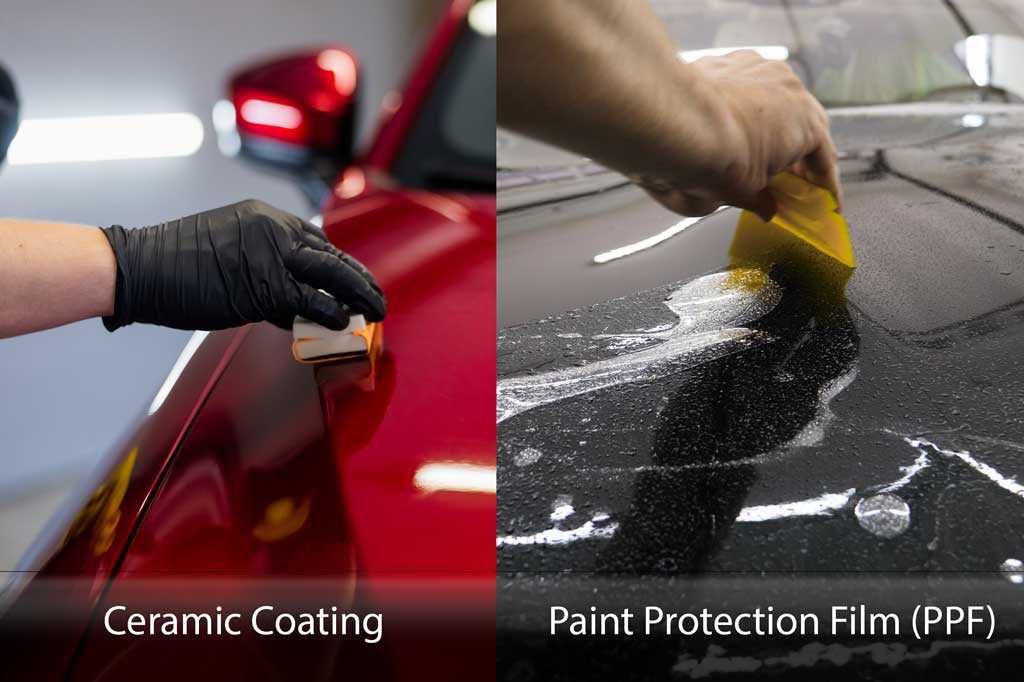
- Ceramic Coatings: Known for their durability and high gloss, they last from 2 to 5 years.
- Graphene Coatings: Offer superior hardness and thermal conductivity, making them more resistant to scratches and heat.
- Sealants: Usually synthetic and less durable than ceramic; last about 6 months to a year.
Choosing the right coating depends on your budget, driving habits, and desired level of protection.
Pros of Car Coating
Enhanced Protection Against Elements
A high-quality coating can safeguard your vehicle from UV damage, which causes paint fading over time. It also protects against chemical stains from bird droppings and tree sap, which can harm your paint if not cleaned promptly.
Long-Lasting Shine and Appearance
Car coatings give your vehicle a mirror-like gloss that makes it stand out. This shine can last for years, reducing the need for frequent waxing and polishing. Many owners appreciate how easy it is to maintain the car’s appearance after coating.
Resistant to Minor Scratches and Swirls
While not completely scratch-proof, coatings add a layer of hardness to the paint. This helps protect against minor scratches and swirl marks caused by washing or debris. It keeps your car looking newer longer.
Ease of Cleaning and Maintenance
A coated car is easier to wash because dirt and grime don’t stick as tightly to the smooth surface. Consequently, cleaning takes less effort and time, and the car looks cleaner longer.
Cons of Car Coating
Cost of Application
The initial expense can be significant, especially for professional application. Quality ceramic or graphene coatings can cost hundreds to thousands of dollars, depending on car size and the detail level.
Application Complexity
Properly applying a coating requires skills and the right tools. DIY kits are available but may not provide the same results as professional work, which includes surface preparation and precise application techniques.
Limited Damage Protection
While coatings provide a good barrier, they don’t make your car invincible. They won’t prevent major scratches from keying, collisions, or harsh chemicals. Regular maintenance is still necessary.
Potential for Marring or Application Errors
Incorrect application can lead to uneven coating, high spots, or streaks. These issues can be difficult to correct without professional help, potentially wasting money and effort.
Is Car Coating Worth the Investment?
Considering the benefits and drawbacks, many car owners find that a quality coating offers **long-term value**. It protects your car’s paint, maintains its appearance, and reduces maintenance time, which can save money over time.
Cost Comparison with Traditional Waxing
| Feature | Car Coating | Waxing |
| — | — | — |
| Cost | Higher upfront | Lower upfront |
| Durability | Several years | A few weeks |
| Maintenance | Less frequent | Frequent |
If you prefer a hassle-free, durable protective layer, coating is often worth it. However, if you drive infrequently and prioritize a lower initial cost, waxing may suffice.
Factors to Consider Before Investing in Car Coating
Type of Vehicle
Expensive or new cars tend to benefit more from coatings due to their high resale value. Older vehicles with existing paint issues may not see as much benefit.
Driving Conditions
Frequent exposure to harsh elements like salt or intense sunlight makes coatings more advantageous. If you mostly park indoors, the need for coating diminishes.
Budget and Maintenance Willingness
Assess your finances and how much effort you want to put into car care. Coatings require an investment upfront and some ongoing maintenance.
Professional Application vs. DIY
Professionally applied coatings deliver optimal results but come at a higher cost. DIY kits are more budget-friendly but require careful application to avoid defects.
Additional Considerations
Longevity and Reapplication
High-quality coatings last longer but still need reapplication after several years. Regular inspections can help determine when to recoat.
Environmental Impact
Some coatings contain substances that are eco-friendly, while others may pose environmental concerns. Always check the product’s ingredients and disposal instructions.
Warranty and Guarantees
Many professional coating services include warranties that cover peeling or defects. Factor in these benefits when choosing a service provider.
Related Topics to Explore
- Best Car Wash Techniques: How proper washing extends the life of your coating.
- DIY Car Detailing Tips: Maintenance advice for coated cars.
- Comparing Car Wax and Coatings: Which is better for your needs?
- How To Choose a Professional Coating Service: Tips to find experienced installers.
Summary of Key Points
– Car coating provides superior protection against environmental damage and enhances appearance.
– It lasts longer and requires less maintenance compared to traditional waxing.
– The upfront cost can be high, but the long-term benefits often justify the expense.
– Proper application and regular upkeep are crucial for maximizing benefits.
– Consider your vehicle type, driving environment, and budget when deciding if coating is worth it.

Similar Posts