Is It Good To Tint Your Car Windows For Privacy And Uv Protection
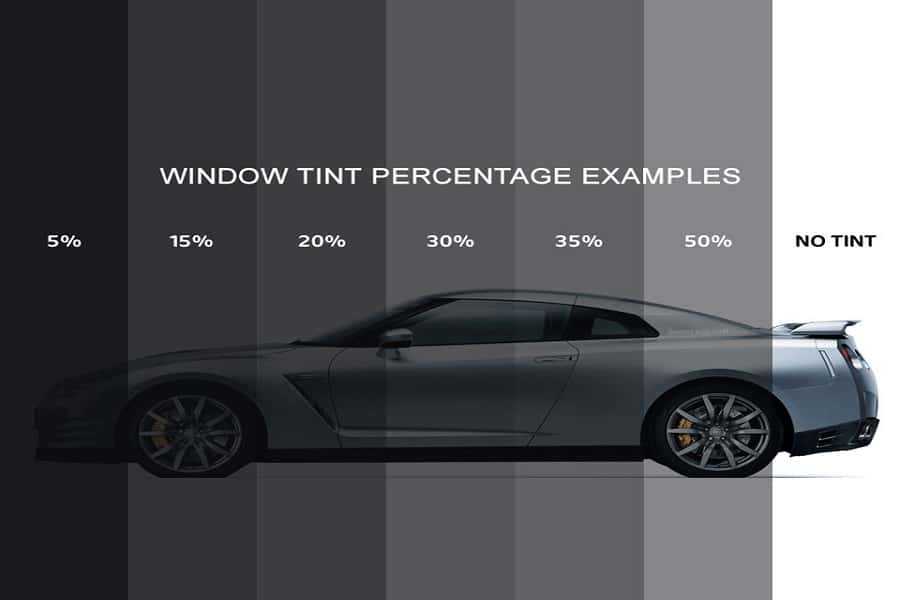
Tinting your car windows can be a game-changer for comfort, privacy, and safety on the road. Whether you’re trying to block out the sun’s glare or keep prying eyes away, tinting offers numerous benefits. However, it’s also worth considering the legal restrictions and potential drawbacks before making a decision. Overall, if done correctly, tinting can enhance your driving experience significantly.
In short, tinting your car windows is a great idea if you want better sun protection, privacy, and heat reduction, but always check local laws to ensure compliance. Proper installation is key to avoiding issues like reduced visibility or legal problems. Ultimately, it’s a smart upgrade for many drivers, as long as you weigh the pros and cons carefully.

Is it good to tint your car windows?
Understanding the Basics of Car Window Tinting
Car window tinting involves applying a thin film of material to the windows of your vehicle. This film comes in different shades and types, each offering unique benefits and considerations. Many drivers choose tinting to improve comfort, privacy, and style, but it’s important to know if it’s the right choice for your vehicle.
Benefits of Tinted Car Windows
Tinted windows can provide multiple advantages that make driving safer and more enjoyable.
- Reduce Heat Inside the Car: Tinting blocks out some of the sun’s rays, keeping your car cooler, especially during hot summer days. It can lower interior temperatures by several degrees, which reduces the need for air conditioning and saves fuel.
- Protect Your Skin: By blocking ultraviolet (UV) rays, tinting helps protect you and your passengers from skin damage and reduces the risk of skin cancer caused by prolonged sun exposure.
- Enhance Privacy and Security: Darker windows make it harder for outsiders to see inside, shielding valuables and increasing your privacy. This also acts as a deterrent against theft.
- Reduce Glare and Improve Visibility: Tinted windows cut down on glare from headlights and the sun, making driving safer and less tiring.
- Protect the Car’s Interior: Tinting prevents UV rays from fading and cracking your upholstery and dashboard, extending the lifespan of your vehicle’s interior.
Types of Car Window Tints Available
There are several types of tint films, each with its own features and levels of effectiveness.
Dyed Window Tint
This is the most affordable option, made of a layer of dye between adhesive and film. It reduces glare and heat but tends to fade over time.
Metalized Window Tint
Contains tiny metallic particles that reflect heat and UV rays. It’s more durable and effective at blocking heat but may interfere with GPS and phone signals.
Carbon Window Tint
Uses carbon particles instead of dye or metal, offering excellent heat rejection and UV protection. It does not interfere with signals and maintains color over time.
Ceramic Window Tint
The most advanced option, made from non-conductive ceramic particles. It provides superior heat rejection, UV protection, and signal clarity but is often more expensive.
Legal Considerations for Car Window Tinting
Before tinting your windows, check local laws to ensure compliance. Many regions have restrictions on how dark the tint can be on front and rear windows.
- Front side windows often require a minimum visible light transmission (VLT) percentage to allow enough sunlight in for safety.
- Rear windows and backlights usually have more lenient rules, but it’s wise to verify specific regulations in your area.
- Some states prohibit reflective or mirrored tints that could distract other drivers.
Failing to follow local laws can result in fines or having to remove the tint altogether.
How to Choose the Right Tint for Your Car
Selecting the best tint depends on your needs and budget. Consider the following factors:
Purpose
Are you seeking heat reduction, privacy, or UV protection? Identifying your main goal helps narrow down the options.
Budget
While dyed tints are less expensive, ceramic and carbon films offer better long-term performance. Think about your investment carefully.
Legal Limits
Choose a tint shade that matches your local regulations to avoid penalties.
Type of Vehicle
Larger vehicles may benefit from higher-quality films to effectively reduce heat and glare.
Installation Process and Professional Versus DIY
Professional installation ensures the tint is applied smoothly without bubbles or imperfections. DIY kits are available but require patience and skill to get a good finish.
- Professional Installation: Offers guaranteed quality, often with warranties, and reduces the risk of damaging your windows.
- DIY Tints: More affordable but may lead to bubbles, peeling, or uneven application if not done carefully. Inexperienced installation can also damage glass.
Maintenance and Care for Tinted Windows
Proper care extends the lifespan and appearance of your tint.
- Avoid aggressive cleaning products like ammonia or abrasive cloths that can damage the film.
- Use a soft microfiber cloth and mild soap for cleaning.
- Wait at least a week before rolling down windows after installation to allow the film to cure properly.
- Check regularly for peeling or bubbling and seek professional repair if needed.
Potential Drawbacks of Car Window Tinting
While tinting offers many benefits, there are some drawbacks to consider.
Legal Restrictions
If you tint beyond legal limits, you risk fines and having to remove the film. It’s essential to know your local laws.
Reduced Visibility at Night
Dark tint can impair your vision in low-light conditions, making night driving riskier.
Possible Damage or Bubbles
Poor installation or low-quality films might peel, bubble, or fade over time, diminishing the aesthetic and functional benefits.
Cost Considerations
High-quality ceramic or carbon tints can be expensive initially but may save money long-term through better durability and heat rejection.
Related Topics to Consider
As you think about tinting your car windows, also consider these related topics:

Similar Posts


















