Laminated Glass Vs Annealed Glass: Which Is Better For Your Project
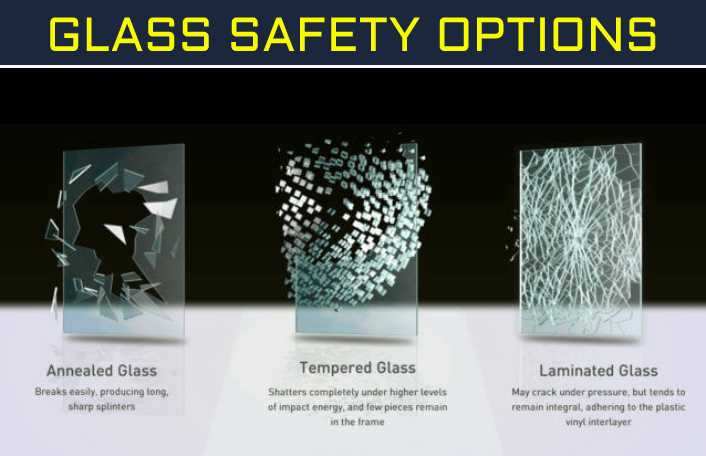
Laminated glass and annealed glass each have unique strengths that suit different needs. Laminated glass is stronger and safer, often used where security and impact resistance are priorities, while annealed glass is more affordable and easier to shape, ideal for decorative or non-structural use. The key difference lies in safety; laminated glass holds together when shattered, reducing injury risk, whereas annealed glass breaks into sharp shards. Choosing between them depends on your specific application, whether for safety, security, or cost considerations. Understanding these differences can help you make an informed decision for your project.
Laminated glass is more durable and safer than annealed glass because it holds together when broken, making it perfect for security purposes. Annealed glass is cheaper and easier to work with but breaks into dangerous shards, making it suitable for decorative uses where safety is less critical.
When deciding between laminated and annealed glass, it’s important to consider factors like safety, strength, cost, and application purpose. Laminated glass provides enhanced security and safety, thanks to its ability to stay intact after impact, making it excellent for windows in high-traffic areas or buildings requiring extra protection. Conversely, annealed glass is easier to handle and more cost-effective, suitable for interior applications or decorative panels where safety concerns are minimal. Understanding these distinctions ensures you select the right type of glass to meet your specific needs effectively.

Laminated Glass vs Annealed Glass: A Complete Comparison
Understanding the Basics of Laminated Glass and Annealed Glass
Laminated glass and annealed glass are two common types of safety glass used in buildings, vehicles, and various other applications. Laminated glass is made by bonding two or more glass layers with a layer of plastic, usually polyvinyl butyral (PVB). Annealed glass, on the other hand, is standard float glass that cools slowly after being formed, without any special treatment.
Laminated glass is designed to hold together when shattered, providing enhanced safety and security. Annealed glass is more prone to breaking into sharp shards, which can be dangerous but is easier to cut and shape during manufacturing. Both types serve different purposes based on safety, strength, and visual requirements.
Manufacturing Processes and Material Composition
The manufacturing process significantly affects the properties of each type of glass. Laminated glass involves layering glass sheets with a plastic interlayer, then applying heat and pressure to bond them tightly. This process creates a resilient product that can absorb impacts without breaking apart completely.
Annealed glass is produced through float glass manufacturing, where molten glass floats on a bed of molten tin to create a smooth, uniform surface. After cooling, it is cut into desired sizes. Because it does not undergo any further strengthening process, annealed glass remains more vulnerable to breakage under stress.
Strength and Durability
In terms of strength, laminated glass generally outperforms annealed glass. The plastic interlayer in laminated glass holds shards together, maintaining integrity even after damage. This prevents dangerous shards from falling and reduces the chance of injury.
Annealed glass is less resistant to impacts and thermal stress. When subjected to force, it is more likely to shatter into sharp pieces, posing safety hazards. However, annealed glass can withstand certain loads better in specific applications, but it requires additional treatments like tempering for enhanced strength.
Safety Features and Breakage Behavior
Safety is a primary consideration when choosing between laminated and annealed glass. Laminated glass is often used in car windshields, skylights, and security windows because it remains intact after impact, reducing injury risks.
When annealed glass breaks, it fragments into numerous sharp pieces, increasing danger. Laminated glass, however, typically stays in place due to its plastic layer, providing a protective barrier. This characteristic makes laminated glass the preferred choice where safety from shattering is critical.
Security and Resistance to Break-ins
Laminated glass offers superior resistance to break-ins and vandalism. Its ability to hold shards together makes it difficult for intruders to gain access quickly through glass entry points.
Annealed glass can be easily broken with force, making it less suitable for security purposes. For enhanced security, annealed glass often undergoes additional treatments like lamination or toughening, but laminated glass remains the most effective for high-security needs.
Applications and Usage Scenarios
Choosing between laminated and annealed glass depends heavily on the intended application. Laminated glass is ideal for:
- Car windshields and vehicle windows
- Skylights and glass doors requiring safety features
- Security windows and storefronts
- Soundproofing applications due to its acoustic properties
Annealed glass is used in situations where aesthetics and ease of fabrication are more important than impact resistance. Common uses include:
- Interior windows and partitions
- Picture framing and decorative applications
- Non-load bearing glazing systems
Cost Differences and Budget Considerations
Generally, laminated glass tends to be more expensive due to its complex manufacturing process and added safety features. The cost varies depending on thickness, size, and level of lamination.
Annealed glass is usually more affordable, making it suitable for projects with budget constraints where safety is not the primary concern. However, additional costs may arise if annealed glass requires further treatment like tempering or lamination later.
Environmental Impact and Sustainability
Laminated glass can be environmentally friendly when recycled properly. The plastic interlayer is often recyclable, and the overall lifespan can reduce replacement needs.
Annealed glass is simpler to produce and recyclable as well. Its fewer manufacturing steps mean a slightly smaller carbon footprint initially, though its frequent replacements due to breakage can offset those savings over time.
Thermal and Acoustic Insulation Properties
Laminated glass offers better thermal insulation because its layers help reduce heat transfer. Its acoustic dampening qualities also make it effective at reducing noise pollution, especially in busy urban settings.
Annealed glass provides moderate insulation but does not contribute significantly to soundproofing. For better thermal or acoustic performance, laminated or specially coated glass options are usually preferred.
Maintenance and Cleaning
Both types of glass are easy to clean with basic glass cleaning solutions. Laminated glass tends to be more resistant to scratches thanks to its layered construction, which helps preserve clarity over time.
Annealed glass, however, can scratch more easily, requiring careful cleaning. Regular maintenance is crucial to keep both types looking their best, especially in outdoor applications exposed to weathering.
Choosing the Right Glass: Key Factors to Consider
To select the best type of glass for your needs, consider:

Similar Posts


















