What Are Laminated Glass Applications And Their Benefits

Laminated glass is a versatile material that’s transforming the way we think about safety, design, and functionality in architecture and automotive industries. Its unique structure, with layers of glass bonded together by an interlayer, makes it an ideal choice for a variety of applications where safety and durability are paramount. From protecting passengers in vehicles to creating beautiful, secure windows in buildings, laminated glass offers a perfect blend of strength and aesthetic appeal. So, what exactly are the applications of laminated glass? It’s used in everything from windshields and skylights to soundproof windows and even decorative architectural features. Its ability to absorb impact, block UV rays, and reduce noise makes it a go-to solution across many industries.
Laminated glass is popularly used in automotive windshields, building windows, and architectural facades. It offers enhanced security, safety, and sound insulation, making it highly valuable in both residential and commercial settings.
Laminated glass applications include safety glass in vehicles, where it prevents shattering during accidents, and in buildings, where it safeguards against break-ins and accidents. It’s also widely used for soundproofing, UV protection, and creating visually appealing, durable glass features.

What Are Laminated Glass Applications
Laminated glass is a special type of safety glass made by bonding two or more layers of glass with a durable plastic interlayer. This design makes the glass much stronger and safer than regular glass, especially in case of breakage. Its unique properties mean it can be used in many different ways across various industries.
Common Uses of Laminated Glass in Buildings
Laminated glass is widely used in architecture because of its strength and safety features. One of the most common applications is in windows and skylights. They provide clear visibility while protecting people from shattered glass during storms or accidents. Laminated glass also helps insulate buildings, improving energy efficiency.
Safety and Security Windows
These windows are designed to prevent injuries if broken. When laminated glass breaks, the plastic layer holds the shards together, reducing the risk of cuts or injuries. This feature makes it ideal for hospitals, schools, and residential buildings.
Soundproofing and Noise Reduction
Laminated glass also provides excellent soundproofing. The plastic interlayer absorbs sound waves, making it perfect for windows in busy urban areas, airports, or commercial spaces. It keeps noise levels low inside buildings, creating a quieter environment.
Automotive Industry Applications
Laminated glass plays a vital role in car safety. Windshields use laminated glass to prevent glass shards from flying inside the vehicle during accidents. This safety feature reduces injuries and enhances driver and passenger protection.
Windshield Protection
Car windshields made from laminated glass are designed to withstand impacts from debris, rocks, or accidents. The plastic layer helps keep shattered glass in place, preventing it from falling into the vehicle and causing injuries.
Sunroofs and Windows
Many cars also use laminated glass for sunroofs and side windows to improve safety and reduce UV rays. The plastic interlayer blocks harmful ultraviolet light, protecting occupants and reducing furniture fading inside the vehicle.
Laminated Glass in Transportation Infrastructure
Laminated glass is used in public transportation, such as buses and trains, to enhance safety. It also helps improve the durability and security of transportation facilities.
Bus and Train Windows
Transit systems use laminated glass to prevent injury during accidents or vandalism. Its strength protects passengers from broken glass and enhances overall safety.
Airport Security and Glass Partitions
In airports, laminated glass is used in security checkpoints and partitions because of its high resistance to breakage. It also helps contain potential threats and provides privacy.
Commercial and Retail Applications
Laminated glass is popular in retail stores and commercial spaces for both safety and aesthetic appeal. It allows for large glass panes that look modern and elegant.
Storefront Windows and Doors
Laminated glass provides a sturdy barrier that can withstand impacts from shopping carts or vandalism. It also gives a sleek, professional look that enhances brand image.
Display Cases and Shelving
In retail furniture, laminated glass is used for display cases because it is durable and easy to clean. It protects valuable merchandise while offering clear visibility.
Laminated Glass in Home Design and Security
Homeowners increasingly turn to laminated glass to improve safety, privacy, and insulation. It offers a versatile solution for different needs around the house.
Home Windows and Doors
Laminated glass enhances security by making windows more resistant to breakage. It also helps block UV rays and reduces outside noise, creating a more comfortable living space.
Privacy Glass and Window Films
Laminated glass can be tinted or coated to provide privacy. This application is ideal for bathrooms, conference rooms, and homes near busy streets.
Specialized Applications of Laminated Glass
Beyond the common uses, laminated glass serves unique purposes in various specialized fields that require extra strength or transparency.
Bulletproof and Ballistic Glass
Laminated glass can be designed for high-security areas such as banks, government buildings, and embassies. Multiple layers of glass and plastic make it resistant to bullets and forced entry.
Glass Floors and Staircases
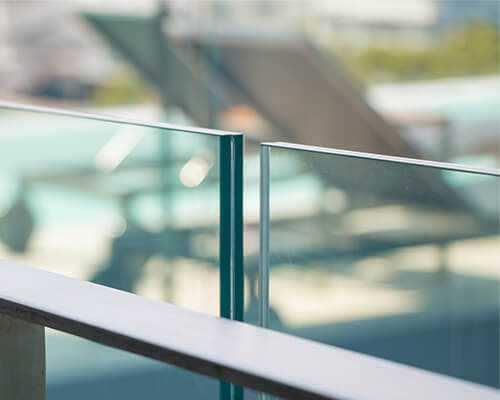
For architectural features that need strength and aesthetic appeal, laminated glass is used in floors, staircases, and balustrades. Its ability to withstand loads ensures safety and style.
Environmental Benefits and Sustainability
Laminated glass contributes to energy savings by providing better insulation. Many products incorporate recycled materials, making them environmentally friendly.
Energy Efficiency
The interlayer enhances thermal insulation, reducing heating and cooling costs. This benefit supports environmentally conscious building designs.

Similar Posts