What Are Laminated Glass Disadvantages In Building Safety
Laminated glass offers safety and durability but comes with its set of drawbacks. Its higher cost and potential for complex repairs can sometimes outweigh its benefits. Additionally, laminated glass may not always provide the clarity or aesthetic appeal sought for certain designs, and its weight can pose installation challenges.
Laminated glass is popular for its safety features, but it is not without disadvantages. It tends to be more expensive than regular glass, and repairs can be more complicated and costly. Its weight can also impact installation and design flexibility, making it less ideal for some projects.
If you’re considering laminated glass for your building or project, it’s crucial to weigh these disadvantages against its benefits. While it enhances safety and security, issues like cost, weight, and repair complexity can influence your choice. Understanding these potential drawbacks helps ensure you select the best glass option for your needs.

What Are Laminated Glass Disadvantages?
Introduction to Laminated Glass and Its Common Use
Laminated glass is widely used in buildings, vehicles, and safety applications because of its strength and safety features. It is made by bonding two or more glass layers with a plastic interlayer, usually polyvinyl butyral (PVB). While it offers many benefits, understanding its disadvantages helps in making informed decisions about its use.
The Cost Factor of Laminated Glass
One of the biggest disadvantages of laminated glass is its higher cost compared to regular glass. The manufacturing process is more complex, requiring multiple layers and adhesives. This increased cost can make it less suitable for budget-conscious projects.
Complex Installation Process
Installing laminated glass often requires specialized skills and equipment. Improper installation can lead to issues like poor adhesion or air bubbles, which may compromise safety and clarity. Professionals must handle its installation to ensure optimal performance.
Potential for Reduced Clarity and Visual Distortion
While laminated glass appears clear, some users notice slight distortions or reflections in certain lighting conditions. The plastic interlayer can cause minor haziness or glare, impacting the visual clarity of windows and windshields.
Susceptibility to Scratches and Damage
Although laminated glass is strong, its surface can be scratched by abrasive materials or harsh cleaning tools. Over time, scratches can accumulate, affecting transparency and aesthetic appeal. Damage to the plastic layer can also weaken its overall integrity.
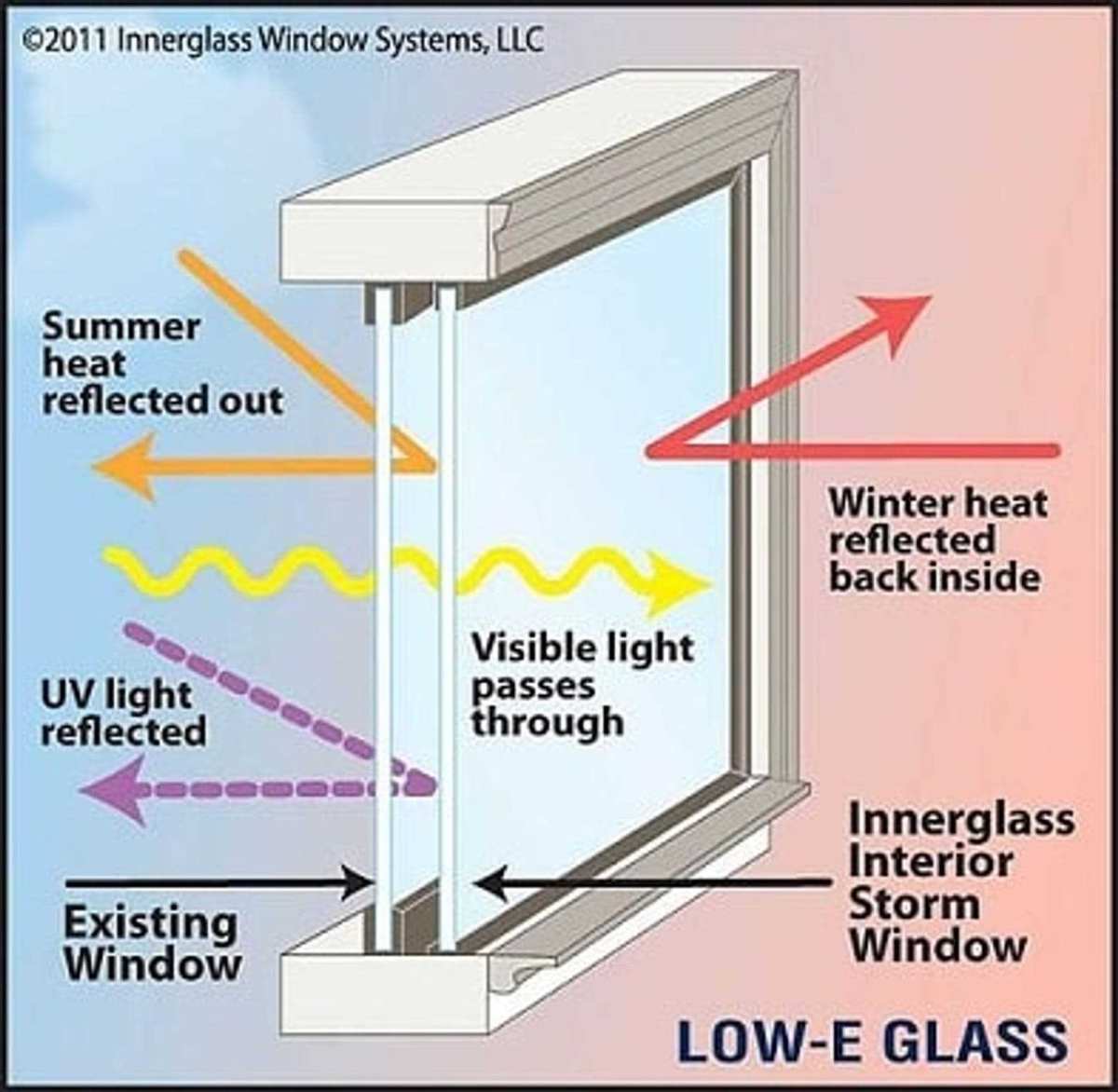
Limited Thermal Insulation Capabilities
Laminated glass alone does not provide significant insulation against heat loss or gain. Without additional coatings or layers, it can allow heat transfer, leading to higher energy bills. Proper insulating options need to be combined with laminated glass for better thermal performance.
Possible Moisture and Delamination Issues
If the seal around laminated glass weakens or is improperly installed, moisture can seep in. This moisture can cause the interlayer to delaminate, leading to cloudiness and reduced safety features. Ensuring proper sealing during installation is crucial.
Environmental Concerns and Recycling Challenges
Laminated glass contains plastic layers that complicate recycling processes. Disposing of or recycling laminated glass can be less environmentally friendly compared to standard glass. Some recycling facilities may not accept it, leading to waste management issues.
Weight Considerations and Structural Impact
Laminated glass tends to be heavier than regular glass because of its additional layers. This weight can impact the design of support structures and increase transportation costs. Buildings and vehicles must be reinforced to accommodate the extra weight.
Impact Resistance and Limitations
While laminated glass offers good resistance to impact and prevents shattering, it is not completely shatterproof. Strong impacts can still cause cracks or damage, and in some cases, the glass can still be broken with enough force.
Maintenance and Cleaning Challenges
Cleaning laminated glass requires gentle, non-abrasive materials to avoid scratching the surface. Some cleaning agents can damage the plastic interlayer over time. Regular cleaning and proper maintenance are necessary to preserve its appearance.
Impact on Acoustic Performance
Although laminated glass provides some soundproofing benefits, it may not be enough in noisy environments. Its sound-insulating properties depend on thickness, layers, and design, which can add to the overall cost.
Vulnerability to UV Damage Over Time
Extended exposure to sunlight can cause the plastic interlayer to degrade or discolor, leading to reduced transparency and aesthetic issues. Manufacturers often add UV-resistant coatings, but degradation can still occur over long periods.
Knowing the disadvantages of laminated glass helps compare it with other options and decide whether it fits your needs. Despite its many safety and security benefits, factors like cost, installation, and maintenance play a role in its overall suitability. Considering these disadvantages ensures you choose a glass solution that aligns with your expectations and project requirements.
Laminated Glass vs. Tempered Glass
Frequently Asked Questions
What are the potential issues with installing laminated glass in different environments?
Laminated glass may face challenges in environments with extreme temperature fluctuations, high moisture levels, or exposure to harsh chemicals. These conditions can cause the adhesive layers to weaken or degrade over time, leading to reduced transparency and structural integrity. Proper installation and selecting appropriate laminated glass types for specific environments can help mitigate these issues.
How does laminated glass compare in terms of weight and impact on structural support?
Laminated glass tends to be heavier than standard glass of similar thickness, which can increase the load on supporting structures. This additional weight requires careful calculation during construction to ensure safety and stability. In some cases, reinforcement of the frame or support system becomes necessary to accommodate the increased mass.
Are there any limitations regarding the transparency or optical clarity of laminated glass?
While laminated glass generally maintains good clarity, it can sometimes produce a slight tint or haze, especially if multiple layers are involved. Additionally, variations in manufacturing quality can lead to inconsistencies in optical clarity. This may affect the visual aesthetics or natural light transmission in certain applications.
What maintenance concerns are associated with laminated glass over time?
Laminated glass requires routine inspection for cracks, delamination, and dirt buildup. Although it resists shattering, damage to the outer surface or the interlayer can compromise its safety features. Cleaning should avoid abrasive materials to prevent scratches that might reduce transparency or lead to deterioration of the layers.
Can cost be a significant factor when choosing laminated glass for large-scale projects?
Yes, laminated glass generally incurs higher initial costs compared to standard glass due to its manufacturing process and material complexity. For large projects, this can impact overall budgets, and decision-makers need to weigh the safety and security benefits against the increased expenditure. Long-term benefits, such as enhanced security and durability, can justify these costs in many cases.
Final Thoughts
Laminated glass offers many benefits but also comes with some disadvantages. It tends to be more expensive than regular glass, which can increase project costs. Additionally, if damaged, laminated glass may require more effort to repair or replace.

Similar Posts