What Is Car Glass Made Of A Complete Explanation
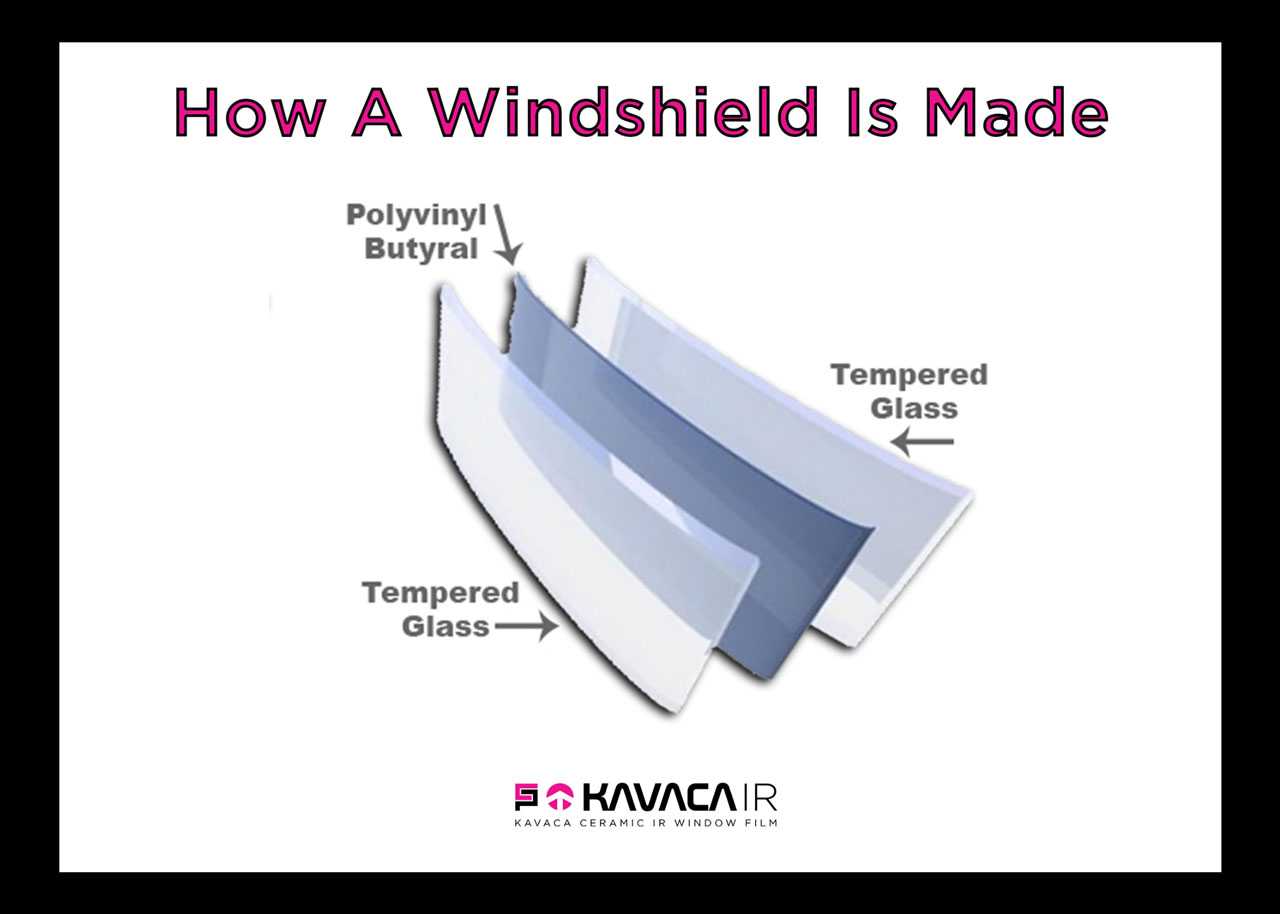
Car glass is primarily made of specially tempered or laminated glass designed to keep you safe on the road. This material is chosen for its strength, durability, and safety features, making it an essential part of your vehicle.
In short, car glass is typically composed of tempered or laminated glass, with the front windshield mainly made of laminated glass to prevent shattering, while the side and rear windows often use tempered glass for safety and durability. These specialized glasses are manufactured to withstand impacts, resist shattering, and protect occupants during accidents.
Ever wondered what makes your car’s windows tough yet safe? The secret lies in the materials used to craft these crucial safety components. Car glass isn’t just ordinary glass; it’s engineered for safety, combining innovation and expert craftsmanship. Whether it’s the laminated windshield or the tempered sides, the materials are carefully chosen to ensure strength, safety, and longevity, giving drivers peace of mind on every journey.

What Is Car Glass Made Of?
Introduction to Car Glass Materials
Car glass is an essential part of your vehicle that keeps you safe and comfortable. It provides visibility and protection from the environment. But what exactly is car glass made of? Most car glass is specially designed using specific materials that balance durability, safety, and clarity.
The Main Material: Tempered Glass
Most car windows are made from tempered glass. This type of glass is processed to be stronger and safer. When it breaks, it shatters into tiny, blunt pieces instead of sharp shards, reducing injury risk.
How Tempered Glass Is Made
Manufacturers heat the glass until it becomes soft. Then, they cool it rapidly to create tension in the outer surfaces. This process makes the glass highly resistant to impacts and temperature changes.
Advantages of Tempered Glass
- Safety: Breaks into small pieces instead of sharp shards.
- Strength: Can withstand impacts better than regular glass.
- Durability: Resistant to temperature changes and minor impacts.
Laminated Glass: The Standard for Windshields
Most car windshields are made from laminated glass. It consists of two layers of glass bonded together with a plastic layer in between. This design enhances safety and security.
How Laminated Glass Is Made
Layers of glass are heated and pressed together with a special polyvinyl butyral (PVB) plastic. This creates a sturdy, bonded sheet that stays intact even if shattered.
Benefits of Laminated Windshields
- Impact Resistance: Better at preventing objects from penetrating the glass.
- Safety: Holds shattered pieces in place, reducing injuries.
- UV Protection: The plastic layer blocks harmful ultraviolet rays.
Other Types of Glass Used in Vehicles
Besides tempered and laminated glass, some vehicles use other specialized glass types for certain parts.
Acoustic Glass
This glass reduces noise from outside by adding an extra plastic layer that dampens sound waves. It makes the ride quieter and more comfortable.
Heat-Reflective Glass
This type reflects sunlight to lower interior temperatures. It contains coatings or films that block infrared rays, helping keep the vehicle cooler.
Special Coatings and Treatments on Car Glass
Car glass often has additional coatings to improve performance and safety.
UV-Blocking Coatings
These coatings prevent ultraviolet rays from passing through the glass, protecting passengers and the vehicle’s interior.
Hydrophobic Coatings
They make water bead up and roll off the surface of the glass, improving visibility during rain.
Materials Used for Additional Features
Modern car glass includes features like antennae, heating elements, and sensors.
Embedded Heating Elements
Thin wires or coatings are embedded in the glass to melt ice or clear fog through defrosting systems.
Sensors and Antennae
Some glass contains embedded sensors for rain detection or radio antennae that do not interfere with the vehicle’s electronics.
How Safety Comes Into Play
Vehicle safety standards dictate the materials used in car glass. Regulations ensure the glass meets impact resistance and other safety criteria.
Crash Safety Testing
Automakers test glass for its ability to withstand impacts and prevent injuries during accidents.
Standards and Certifications
International safety standards like the Federal Motor Vehicle Safety Standards (FMVSS) set regulations for car glass materials and manufacturing processes.
The Role of Manufacturing Processes
Different manufacturing techniques influence the quality and properties of car glass.
Float Glass Process
Most car glass is made using the float glass process, where molten glass floats on a bed of molten metal, creating a smooth, uniform sheet.
Lamination and Tempering Techniques
Advanced lamination techniques bond various layers, while tempering involves controlled heating and rapid cooling to strengthen the glass.
Environmental Considerations in Material Selection
Manufacturers now focus on eco-friendly materials and processes.

Similar Posts


















