Which Type Of Glass Is Used In Car Front Windshield For Safety
The type of glass used in a car’s front windshield is specially designed to ensure safety and durability. Most commonly, it’s made from laminated glass, which consists of two sheets of glass bonded with a plastic layer in between. This unique construction helps prevent the glass from shattering into dangerous shards during an accident.
In brief, the windshield is made from laminated safety glass, offering strength and safety for drivers and passengers alike. This type of glass is chosen for its ability to stay intact upon impact, providing a clear view while protecting occupants. It’s a crucial component that combines visibility, safety, and resilience, making it an essential part of modern vehicles.
When it comes to your car’s front windshield, the glass isn’t just ordinary; it’s a carefully engineered material designed for safety. Laminated glass is the standard choice, incorporating a plastic layer that holds shards together in case of breakage. This helps prevent injuries caused by flying glass and maintains the integrity of the windshield, even under force. The manufacturing process involves bonding two layers of glass with polyvinyl butyral (PVB), which not only enhances safety but also reduces noise and UV rays. Understanding the type of glass used in your vehicle highlights how automotive safety standards prioritize driver and passenger protection without compromising visibility or comfort.

Which Type of Glass Is Used in Car Front Windshield
Introduction to Car Windshield Glass Types
Car windshields are made from specific types of glass designed to protect drivers and passengers. The most common material used is specially treated glass that combines safety, durability, and clarity. Understanding these types helps drivers recognize the importance of windshield quality.
What Is Tempered Glass?
Tempered glass is a crucial component in most car windshields. This type of glass is heated and cooled rapidly during manufacturing, which makes it much stronger than regular glass. When broken, it shatters into small, blunt pieces to reduce injury risks. Tempered glass is used mainly for side and rear windows, but the front windshield uses a different type.
Why Is Laminated Glass Used in the Front Windshield?
The front windshield of a car is made from laminated glass, which is unique and safer than other types. Laminated glass consists of two layers of glass with a plastic layer called polyvinyl butyral (PVB) in between. This plastic layer holds the glass together if it breaks, preventing dangerous shards from flying into the vehicle.
The Composition of Laminated Glass
Laminated glass combines two sheets of glass with a PVB film in between. The typical thickness of laminates ranges from 0.76 mm to 1.52 mm, depending on safety standards. This construction creates a strong barrier that offers excellent resistance to impacts and projectiles.
Advantages of Laminated Glass for Windshields
- Safety: Keeps glass shards in place during accidents, reducing injury risks.
- Security: Difficult to break through, deterring theft and vandalism.
- UV Protection: The plastic layer blocks harmful ultraviolet rays, protecting passengers and interior materials.
- Sound Insulation: Helps reduce road noise, creating a quieter driving experience.
Manufacturing Process of Laminated Windshield Glass
The process begins by layering PVB film between two sheets of float glass. These layers are then heated in an autoclave under high pressure, bonding them into a single, durable sheet. After cooling, the laminated sheet is cut into the desired shape to fit the car’s windshield.
Considerations for Windshield Glass Material Choices
Choosing the right glass involves factors like safety standards, optical clarity, weather resistance, and cost. Laminated glass meets strict safety criteria and provides the best balance of protection and performance. Other types may not offer the same level of safety or durability for the front windshield.
Additional Types of Automotive Glass
While laminated glass is standard for windshields, other types include:
Float Glass
Float glass is the basic flat glass produced through the floating process. It is smooth and transparent, but not suitable as a windshield because it lacks impact resistance.
Heat-Strengthened Glass
This glass is heated and cooled more gently than tempered glass, resulting in increased strength but not shatterproof. It is used for specific vehicle parts where extra durability is needed without complete breakage.
Polarized and Tinted Glass
These are often laminated with additional coatings or films to reduce glare and UV exposure. Tinted glass can also improve privacy and reduce heat build-up inside the vehicle.
Comparison Table: Glass Types in Car Windows
| Feature | Tempered Glass | Laminated Glass | Float Glass | Heat-Strengthened Glass |
|---|---|---|---|---|
| Application | Side and rear windows | Front windshield | Interior panels | Specialized parts |
| Impact Resistance | High | Very high | Moderate | High |
| Shattering Pattern | Small blunt pieces | Stays together upon impact | Breaks into large shards | Cracks or chips without complete shattering |
| Safety Features | Provides impact resistance for side/rear | Prevents shards from flying | Basic, not impact resistant | Enhanced durability |
Understanding the Impact of Glass Thickness
The thickness of windshield glass influences strength, weight, and optical clarity. Most laminated car windshields have a standard thickness of about 4 mm to 6 mm. Thicker laminated glass offers better impact resistance but adds weight and cost.
Standards and Safety Regulations
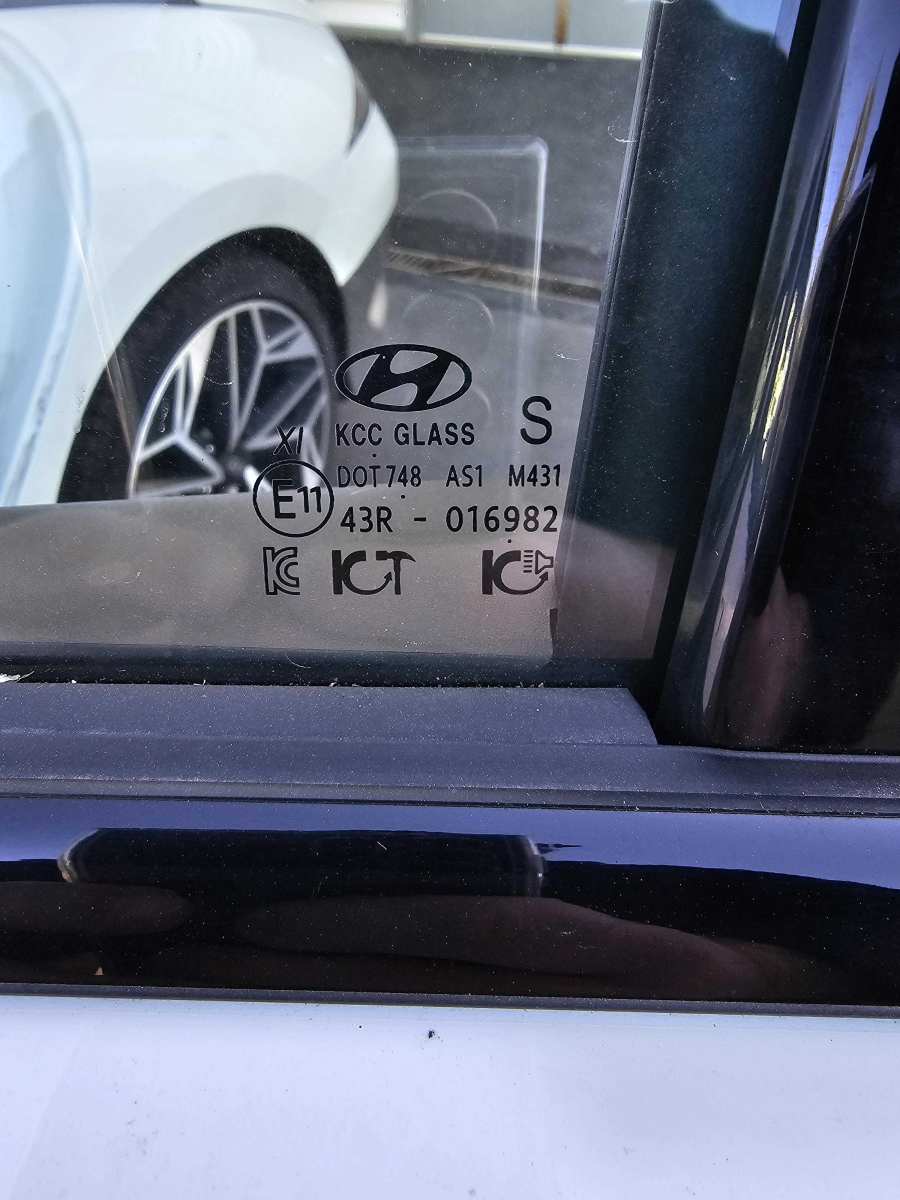
Automotive glass manufacturing adheres to strict safety standards like the American DOT, European ECE, and ISO certifications. These standards ensure the use of quality laminated glass that meets impact and safety performance criteria. Vehicle manufacturers must comply with these regulations for windshield safety.
Innovations in Windshield Glass Technology
Recent advancements include the integration of embedded antennas for communication and heads-up displays. Coatings that repel water, dirt, and UV rays are now common. These innovations enhance safety, visibility, and comfort for drivers and passengers.
Environmental Considerations in Glass Production
Manufacturers aim to reduce the environmental impact by recycling glass and using eco-friendly materials. Energy-efficient manufacturing processes also help lower carbon emissions. The durability of laminated glass contributes to sustainability by reducing replacements.
The windshield of a car primarily uses laminated glass because of its safety, durability, and protective features. Laminated glass’s unique construction ensures that drivers have a clear view while being protected from impacts and hazards. Recognizing the differences between glass types helps understand their roles and why laminated glass is the ideal choice for front windshields.
The OEM vs. Aftermarket Windshield Debate – Watch This Before You Replace! | Glass.com®
Frequently Asked Questions
What materials are commonly used in the manufacturing of car windshields?
Car windshields are primarily made from laminated glass, which combines two sheets of glass with a plastic interlayer, usually polyvinyl butyral (PVB). This structure ensures safety by preventing shards from flying in case of breakage. Some windshields also incorporate special coatings or treatments to improve visibility and resistance to UV rays or scratches.
How does laminated glass benefit vehicle occupants during an impact?
Laminated glass holds together upon impact, preventing the glass from shattering into dangerous pieces. This reduces the risk of injury to passengers and helps maintain the structural integrity of the windshield. The plastic layer absorbs the energy from a collision, decreasing the chance of the glass breaking into sharp fragments.
Are there different types of glass used for various parts of a car’s windshield assembly?
Yes, manufacturers often use specialized glass for different sections of the windshield. The main driving area uses laminated glass for safety, while certain areas like the top strip or sun visors may employ tempered glass or additional coatings to enhance durability and functionality. These variations help balance safety, visibility, and design requirements.
What features distinguish high-quality car windshield glass from standard options?
High-quality windshield glass typically features enhanced coatings that reduce glare, resist scratches, and block UV rays. Some windshields incorporate heating elements for defrosting, or acoustic laminates that improve sound insulation. These features improve comfort and safety for the vehicle occupants.
Can the type of glass in a windshield affect the vehicle’s safety ratings?
Yes, the type of glass used directly influences safety ratings. Laminated glass provides superior protection by preventing dangerous shards, thereby reducing injury risks during accidents. Vehicles equipped with high-quality laminated windshields generally meet or exceed safety standards established by automotive safety organizations.

Similar Posts