Why Do Car Windows Fog Up On The Outside Explained
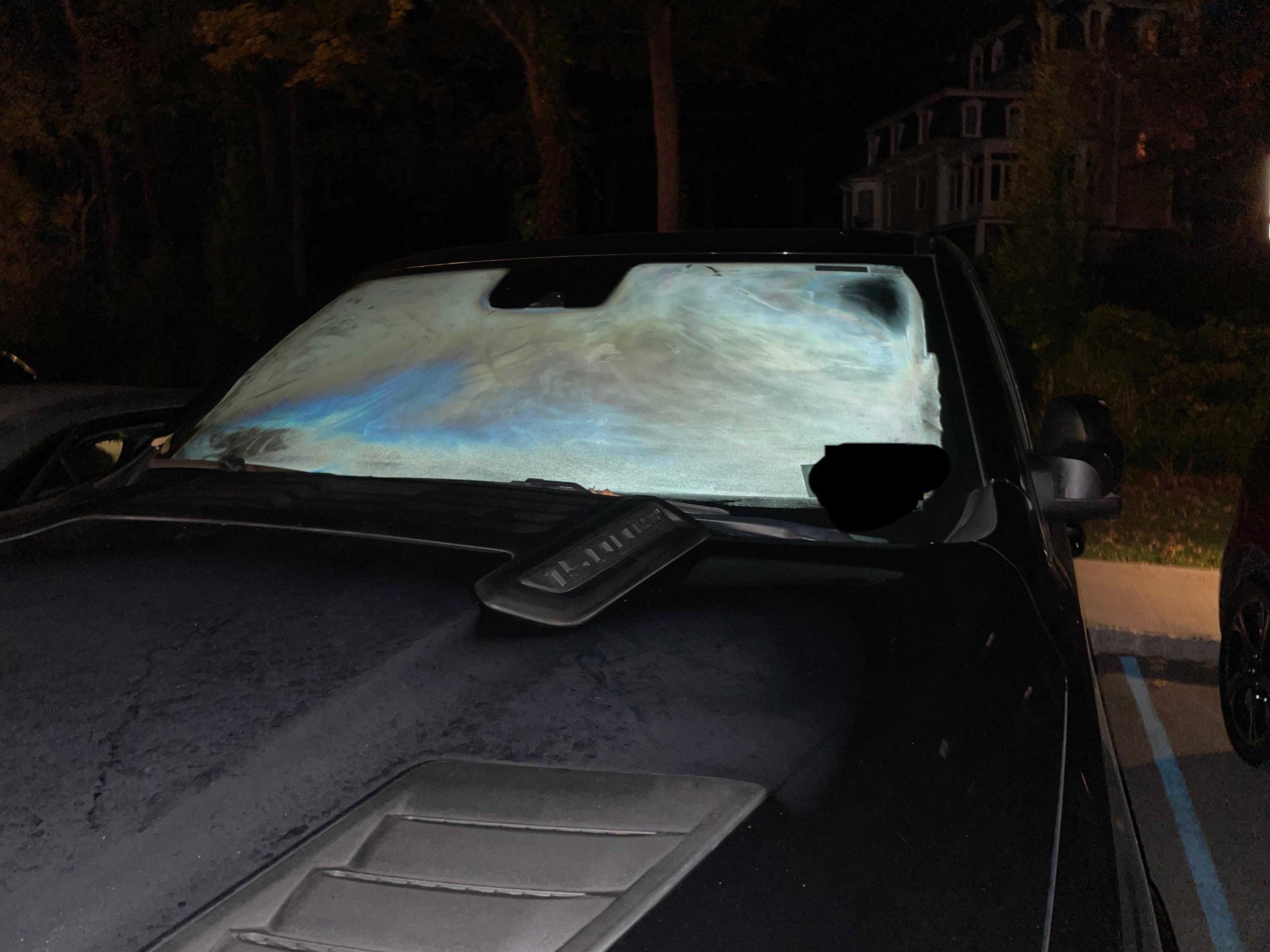
Car windows fogging up on the outside can be frustrating, especially when it suddenly happens while driving. The quick answer is that outside fogging occurs when the air’s humidity level is high and the temperature drops, causing moisture to condense on the cooler glass surfaces. This common phenomenon often surprises drivers after rainy or humid days, turning their clear view into a foggy obstacle. To keep your windows clear, understanding why this happens is key. Here’s the scoop: outside fogging is caused by the moisture-laden air meeting the cold surface of your car windows, leading to condensation. No need to panic—simple measures like improving ventilation or using anti-fog products can help you maintain a clear view and stay safe while on the road.

Why Do Car Windows Fog Up on the Outside?
If you’ve ever noticed your car windows fogging up on the outside, you’re not alone. This common issue can be confusing and frustrating, especially when you’re trying to see clearly while driving. Understanding why this happens can help you prevent or fix the problem quickly and easily.
What Is Outside Fogging on Car Windows?
Outside fogging occurs when the outer surface of your car windows becomes covered with a thin layer of moisture, making them appear cloudy or misty. This is different from inside fogging, which is caused by moisture buildup inside the vehicle. Outside fogging can happen in various weather conditions, but it’s most common during humid or rainy days.
How Temperature and Humidity Influence Outside Fogging
The Role of Temperature Differences
When the temperature inside your car is higher than the outside temperature, moisture from outside air can condense on the cold surface of the window. This is similar to how dew forms on grass in the early morning. The bigger the temperature gap, the more likely outside fogging will happen.
The Effect of Humidity Levels
High humidity means there is more moisture in the air. When you park your car in a humid environment, the moisture can settle on cold surfaces like your windows, causing fogging. This is especially noticeable early in the morning or after rain.
Weather Conditions That Cause Outside Fogging
Rain and Drizzle
Rainy days add extra moisture to the air and surfaces, making outside fogging more frequent. When the rain stops, the residual moisture on the window cools and condenses, creating fog.
High Humidity and Dew
Humid weather often results in dew forming on car windows overnight or during damp mornings. Dew is simply water droplets that collect when warm, moist air cools.
Temperature Fluctuations
Sudden drops in temperature, especially overnight, cause moisture in the air to condense on colder surfaces, including your car’s windows. This is common in the early hours before sunrise.
Why Do Car Windows Fog Up on the Outside More Than Inside?
Cold Surface of the Window
The outside of your car window tends to stay cold, especially during chilly weather. When warm, moist air contacts this cold surface, condensation forms easily.
Insufficient Ventilation Inside the Car
Good airflow within your vehicle can reduce inside fogging. However, outside fogging is more about the external environment and doesn’t depend on the vehicle’s interior conditions.
How to Recognize Outside Fogging
- The fog appears on the outer surface of the window, not on the inside.
- It tends to form in humid or rainy weather.
- The fog goes away quickly when the weather gets warmer or drier.
Techniques to Prevent or Reduce Outside Fogging
Use of Sunshades and Protective Films
Applying a clear or tinted protective film can help insulate the window, reducing the temperature difference and minimizing condensation. Sunshades also help keep the interior cooler, which can indirectly prevent outside fogging.
Park in Covered or Shaded Areas
Parking your vehicle in a garage or shaded spot can prevent rapid temperature drops that cause condensation. Covering your car with a waterproof cover can also keep moisture off the windows.
Adjust the Climate Inside the Car
While outside fogging is external, maintaining a balanced interior temperature can prevent inside fogging, but it may also indirectly influence outside conditions. Using dehumidifiers or climate control can help regulate surface temperature of windows.
Practical Solutions for Clearing Outside Fog on Car Windows
Use a Microfiber Cloth or Wiper
Gently wiping the outside of your windows with a dry microfiber cloth quickly removes fog. Use a windshield wipe or a soft cloth made for glass for best results.
Apply a Defogging Spray or Anti-Fog Coating
Specialized anti-fog products can create a thin, invisible layer that prevents moisture from sticking to the glass. Applying these sprays regularly can keep your windows clear longer.
Adjust Climate Settings
If your vehicle has climate control, set it to defrost mode during humid or rainy days. This setting helps balance moisture levels and temperature, reducing external fogging.
Understanding Related Factors That Contribute to Outside Fogging
The Impact of Vehicle Speed and Airflow
Driving at higher speeds with windows slightly open can improve airflow around your vehicle, helping prevent external moisture buildup. Proper ventilation accelerates the evaporation of condensed water droplets.
Effect of Wind Conditions
Wind can influence how much moisture settles on your windows. Windy days often help disperse moisture or prevent it from settling, reducing fog formation.
The Role of Surface Material and Window Type
Different glass types or coatings can impact how quickly fog forms. For instance, laminated or treated glass may resist fogging better than plain glass.
Additional Tips for Managing Outside Fogging
- Keep your car clean and free of dirt, which can trap moisture and increase fogging.
- Use silica gel packets or moisture absorbers inside the vehicle if parking for long periods in humid environments.
- Regularly check and repair any window seals or weatherstripping that may allow extra moisture access.
Summary of Key Points
| Factor | Impact on Outside Fogging |
|---|---|
| Temperature Difference | Causes condensation when outside air cools upon contact with the cold window surface |
| Humidity Levels | High humidity increases moisture available to condense on glass |
| Weather Conditions | Rain, dew, and temperature drops directly contribute to fog formation |
| Ventilation and Airflow | Proper airflow helps prevent moisture buildup and reduces fogging |
Understanding why your car windows fog up on the outside helps you take simple steps to prevent it. Managing environmental factors, protecting your vehicle, and using effective cleaning methods can keep your windows clear. Being aware of weather conditions and taking quick action ensures safer driving and better visibility on the road.
Never Get Foggy Car Windows Again
Frequently Asked Questions
What role does temperature difference play in external window fogging?
When the outside air is much colder than the temperature of your car’s exterior surface, it causes moisture in the air to condense on the window. This temperature gap makes the surface cooler than the dew point, leading to fog formation on the outside of the glass.
How does humidity affect the formation of fog on car windows from the outside?
High humidity levels in the surrounding air increase the amount of moisture available to condense on cool surfaces like car windows. When the air is humid, water vapor readily turns into liquid droplets on the glass, resulting in visible fog on the outside surface.
Can weather conditions such as rain or dew cause fogging on car windows outside?
Yes, rain or dew can contribute to fogging on the exterior of your car windows. Dew forms overnight when moisture settles on cold surfaces, and rain can leave behind water droplets that create a foggy appearance, especially if the surfaces are cold.

Similar Posts


















