Why Do Car Windows Fog Up When It Rains
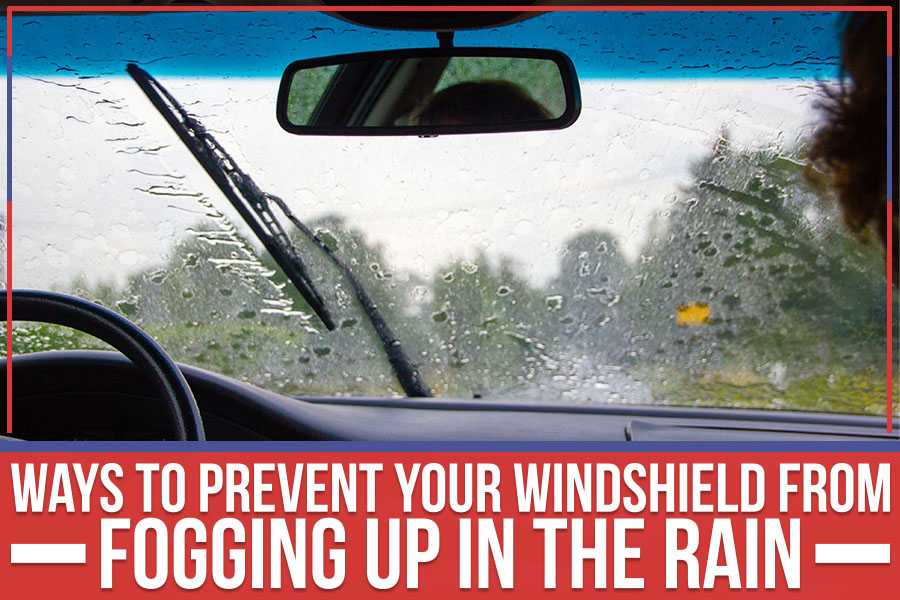
When rain pours down, and you’re trying to see clearly through your car windows, fogging up can be a major hassle. This common annoyance occurs because of the temperature difference between the inside and outside of your vehicle coupled with humidity. In simple terms, when the warm, moist air inside your car hits the cooler glass, it causes water droplets to form, creating fog. To fix it quickly, you need to control the humidity and temperature inside your vehicle.
Foggy windows during rain happen because the warm, humid air inside your car condenses onto the cooler glass surface, especially when the outside is rainy and cold. This condensation reduces visibility and can be dangerous, but understanding why it occurs helps you prevent and clear fog faster. By managing your car’s ventilation and humidity levels, you can stay fog-free and safe on rainy days.

Why Do Car Windows Fog Up When It Rains
Understanding the Science Behind Foggy Windows
When it rains, you might notice your car windows fogging up more than usual. This happens because of a simple science principle involving humidity and temperature. Fog forms when warm, moist air inside your car hits the cooler glass surface, leading to condensation.
Condensation is the process where water vapor turns into tiny droplets on a cold surface. During rain, the moisture levels in the air increase, making it easier for fog to develop inside your vehicle. This foggy build-up can obstruct your view and make driving unsafe.
How Humidity Contributes to Fogging
Humidity is the amount of water vapor in the air. On rainy days, humidity levels rise significantly, especially if your car is parked in a garage or shaded area. High humidity means more moisture is present, which can easily condense on cooler surfaces like your car windows.
The difference in temperature between the inside and outside of your car also plays a role. If the interior is warm and the air outside is cold and moist, this temperature gap encourages condensation. The moist air inside your vehicle cools down upon contact with the glass, creating fog.
Impact of Temperature Differences
Temperature differences are a primary factor in window fogging. During rainy weather, the air temperature outside drops, causing your car’s exterior surface to become cold. If the heater or defroster is not active, the interior remains warm, setting the stage for fog to appear.
A common mistake is not turning on your defrost or climate control system. Without proper airflow and temperature regulation, the warm, moist air inside your car continuously hits the cold glass, building up fog over time.
Why Car Windows Fog Up More in Rainy Weather
Rain introduces more moisture into the air, which then interacts with your vehicle’s cooler surfaces. This results in rapid fog formation compared to dry weather days. Additionally, rainy conditions often come with overcast skies, reducing sunlight that might help warm and dry out your windows naturally.
Another factor is the increased use of air conditioning or heating systems during rain, which can sometimes circulate moisture if not properly managed. Poor ventilation inside your car also traps humidity, making fogging worse.
Role of Ventilation and Air Circulation
Proper ventilation inside your vehicle helps control humidity levels. When windows are closed during rain, moist air isn’t able to escape, leading to higher humidity indoors.
Using your car’s ventilation system can help circulate dry air and reduce condensation. If your vehicle has an automatic climate control feature, setting it to defrost mode can quickly clear foggy windows by directing airflow toward the windshield and side windows.
Preventive Measures to Stop Windows from Fogging
There are several steps you can take to prevent or reduce fogging when it rains. Starting with the basics, ensure your windows and windshield are clean and free of dirt or grease, which can worsen fogging.
Activate your vehicle’s defrost setting at the first signs of fog. Use the air conditioning system if available, as it removes moisture from the air inside your car. Always maintain proper ventilation by cracking windows slightly if weather permits.
- Keeping windows clean and dry
- Using the defrost function frequently
- Turning on air conditioning to reduce interior humidity
- Cracking windows slightly for fresh airflow
- Applying anti-fog sprays or treatments on glass surfaces
How to Effectively Clear Foggy Windows During Rain
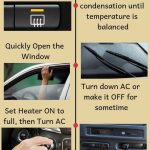
When fog appears despite preventive measures, quick action is necessary. Turn on your defroster and set the climate control to the highest heat setting, directing airflow toward the windshield and side windows.
Using the air conditioning system with the recycled air setting off helps dry out the inside air. If your vehicle is equipped with a special anti-fog mode, activate it for more efficient clearing.
Another effective method is to manually wipe the interior glass with a clean, dry cloth. For longer-term results, applying an anti-fog product can significantly reduce fogging and enhance visibility.
Understanding the Limitations of Dehumidifiers and Other Devices
Some drivers use portable dehumidifiers or moisture absorbers inside their vehicles to combat fogging. While helpful, these devices have limitations, especially during heavy rain and high humidity.
Dehumidifiers work best in enclosed spaces with limited airflow, but they can struggle to keep up when external moisture levels are high. For continuous rain, relying solely on dehumidifiers isn’t enough—you need proper climate control and ventilation as well.
Impact of Vehicle Design on Fogging
Certain vehicle features can influence how much your windows fog up. Vehicles with poor insulation or inadequate sealing around doors and windows tend to allow more moisture inside, increasing fogging chances.
The type of glass used in your car also matters. Some modern cars have anti-fog or coated windows designed to resist condensation. Upgrading or applying treatments to existing windows can improve visibility during rainy days.
Common Mistakes That Increase Fogging
Many drivers inadvertently make fogging worse by neglecting simple maintenance. For example, leaving windows cracked slightly in cold, damp conditions can help, but closing windows tightly traps humidity indoors.
Turning off the air conditioning or defrost systems when moisture is high reduces their effectiveness. Ignoring interior cleanliness or failing to use anti-fog products can also lead to persistent fog problems.
Additional Tips for Safer Driving During Rain
Visibility is key when driving in rainy weather. Keep your windshield and side windows clean at all times.

Similar Posts