Why Is Car Windshield Fogging Up Causes And Solutions

Foggy windshields can happen suddenly, turning driving into a frustrating and dangerous experience. The main reason your car windshield fogs up is due to the difference between the outside air and the moisture inside your vehicle, which creates condensation on the glass. This often occurs when it’s cold outside and the inside of your car is warm and humid, or during rainy days when moisture levels are high. To prevent this, understanding the causes and proper defogging techniques can keep your view clear and your drive safe. In this article, we’ll explore the common reasons behind fogging windshields and provide simple, effective solutions to keep your windshield crystal clear, no matter the weather outside. Whether it’s from breathing, wet clothes, or seasonal conditions, you’ll learn how to tackle fogging quickly and effectively.

Why Is Car Windshield Fogging Up? Understanding the Causes
Foggy windshields can be frustrating and dangerous while driving. Several factors contribute to this issue, making it important to understand what causes your windshield to fog.
What Is Windshield Fogging?
Windshield fogging occurs when moisture accumulates on the interior or exterior surface of your glass. This creates a cloudy film that reduces visibility, especially during certain weather conditions.
This fog is different from dirt or smudges because it forms from water vapor in the air condensing on the cold glass surface.
Interior vs Exterior Fogging
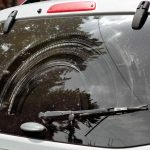
Interior fogging happens inside the vehicle and is more common during cold or humid weather. Exterior fog forms on the outside of the windshield and usually appears during early mornings or in damp conditions.
Knowing the difference helps you identify the cause more accurately and find suitable solutions.
Why Does Windshield Fog Occur?
The main reason for fogging is the difference between the temperature and humidity levels inside and outside the car. When warm, moist air comes into contact with a cold glass surface, condensation happens.
Understanding these conditions is key to preventing or clearing fog effectively.
Factors Contributing to Interior Windshield Fogging
High Humidity Inside the Vehicle
Activities like breathing, sweating, or even bringing in wet items increase humidity inside your car. This excess moisture leads to fogging when it meets the cold windshield.
Temperature Differentials
If your interior is warm and the exterior cold, the glass cools quickly, causing moisture to condense on the surface, resulting in fog.
Lack of Proper Ventilation
Poor airflow inside the car prevents moisture from escaping and promotes fog formation. Opening windows or using air conditioning helps dry out the air.
Factors Leading to Exterior Windshield Fogging
Cold, Damp Weather Conditions
On chilly mornings, moisture in the air condenses on cooler exterior glass surfaces, creating fog. This is commonly seen during winter or early mornings in humid climates.
Precipitation and Dew
Rain or dew increases external moisture levels, and when the windshield cools down, fog can form on the outside.
How Environmental Conditions Affect Fogging
Weather plays a huge role in windshield fogging. Hot, humid days cause a different set of challenges compared to cold, damp mornings.
High humidity levels and rapid temperature changes intensify the fogging phenomenon.
Temperature and Humidity: A Closer Look
| Condition | Effect on Fogging |
|---|---|
| High humidity, cold weather | Increases exterior fogginess, dew formation |
| Warm and humid interior, cold exterior | Likely interior fogging when warm air meets cold glass |
| Cold, dry weather | Less fogging, clearer visibility |
How to Prevent Windshield Fogging
Use Your Car’s Defroster
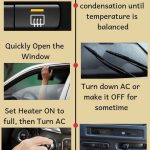
The defroster directs warm air onto the windshield, raising its temperature and preventing condensation. Turn it on as soon as you notice fog forming.
Adjust Cabin Temperature
Increasing the temperature inside your vehicle can help balance the moisture and reduce fog buildup. Keep your climate control set appropriately.
Improve Ventilation
- Open windows slightly to allow moisture to escape
- Use the air conditioning system to dehumidify the air inside
- Activate the recirculation mode sparingly to prevent moisture buildup
Utilize Anti-Fog Products
Applying commercial anti-fog sprays or wipes creates a thin film that prevents moisture from condensing on your windshield. Follow the product instructions for best results.
Practical Tips for Clearing Fog Quickly
Use a Cloth or Wiper
For quick removal, wipe the inside of the windshield with a clean, dry cloth. This removes moisture and clears your view.
Turn on the Air Conditioner
The AC removes humidity from the air, helping to clear fog faster. Use it in conjunction with the defroster for maximum effect.
Maintain Your Vehicle’s HVAC System
Regularly servicing your heating, ventilation, and air conditioning (HVAC) system ensures it works efficiently to control humidity and temperature inside your car.
Additional Tips to Minimize Fogging
- Keep the inside windows clean to avoid additional moisture from dirt or smudges
- Park in shaded or covered areas to prevent external fogging from dew or rain
- Ensure your vehicle’s sealings are intact to prevent excess humidity from entering the cabin
When to Seek Professional Help
If your windshield fogs frequently despite following preventive measures, it may indicate underlying issues. Check for leaks, seal damages, or mold growth inside your vehicle.
A professional inspection can help identify and fix problems that cause excessive moisture or fogging inside your car.
Summary of Key Points
- Windshield fogging happens due to moisture condensing on cold glass surfaces
- Interior fogging is caused by high humidity and poor ventilation inside the car
- Exterior fog forms because of environmental conditions like dew, rain, or cold weather
- Proper use of defrosters, ventilation, and anti-fog products can prevent or clear fog faster
- Regular vehicle maintenance helps minimize recurring fogging problems
Understanding these causes and solutions can make your driving safer and more comfortable. Taking simple steps to manage temperature and humidity inside and outside your vehicle can significantly reduce fogging issues.

Similar Posts