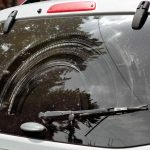
Why Is My Car Glass Foggy Causes And Solutions

A foggy car windshield can turn an otherwise smooth drive into a stressful experience in seconds. The good news is, once you understand the cause, fixing it becomes simple. Usually, foggy glass happens because of excess humidity inside your car, which condenses on the cooler surface of the glass. This is often due to temperature differences between the inside and outside of your vehicle or moisture from your breath, wet clothes, or windows left open. To keep your windshield clear, preventing or quickly removing fog is key.
In short, foggy glass occurs when moisture inside your car condenses on the cold surface of the windshield. Addressing the humidity and ensuring proper ventilation can help you quickly clear the fog and drive safely. Ignoring it, however, can compromise your visibility and safety, so knowing how to manage the moisture is essential.

Why Is My Car Glass Foggy?
Understanding the Causes of Foggy Car Glass
Foggy windows can happen suddenly or develop gradually over time. The main reason is humidity inside your car mixing with the cool glass surface. This creates tiny water droplets that make your windows appear foggy. Recognizing the root causes can help you keep your windows clear and safe for driving.
Humid Air and Temperature Changes
When warm, moist air inside your car contacts colder glass surfaces, condensation forms. This often occurs in the early morning or during rainy weather. As the temperature drops, the moisture in the air condenses onto the glass, resulting in fog. Understanding this process explains why fogginess worsens in certain conditions.
Sources of Moisture Inside Your Vehicle
Several factors introduce moisture into your car. These include:
- Breathing, which releases water vapor into the cabin air
- Wet clothes or umbrellas brought inside
- Rain entering through doors or windows if seals are damaged
- Spilled drinks or moisture from pets
Identifying these sources allows you to take steps to reduce humidity levels inside your vehicle.
How External Conditions Affect Fogging
External weather significantly impacts window fogging. For example, high humidity and rain increase moisture levels. Cold temperatures make fogging more noticeable because the glass cools faster. Conversely, hot and dry conditions usually reduce fogging, helping windows stay clear longer.
Role of Car Ventilation and Climate Control Systems
Your car’s ventilation system plays a vital role in managing foggy windows. Properly functioning AC and defrost settings help remove humidity. When these systems work effectively, they circulate dry air, preventing moisture from settling on your glass.
Using Defrost and AC Correctly
To clear foggy windows quickly:
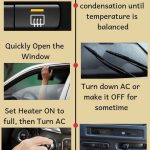
- Turn on the defrost setting to direct warm air at the windshield
- Activate the air conditioning to remove excess humidity from the cabin
- Set the fan to a high level to increase air circulation
- Use the recirculate option cautiously, as it can trap humidity inside
Proper usage of these features keeps your windows clear and improves visibility.
Common Mistakes That Cause Foggy Windows
Many drivers unknowingly contribute to window fogging. Some common mistakes include:
- Not turning on the defrost or AC when fog appears
- Leaving windows slightly open in rainy or humid weather
- Using the heater without activating the AC or defrost functions
- Ignoring leaks or cracks that let moisture inside
Avoiding these errors helps maintain clear windows and safer driving conditions.
Steps to Prevent Fogging in the Future
Prevention starts with simple habits:
- Keep your car’s interior dry by removing wet items
- Use weather-appropriate mats and covers to reduce moisture
- Ensure door seals and window gaskets are in good condition
- Regularly clean the inside of your windshield and glass surfaces
These steps create a less humid environment inside your car, minimizing fog formation.
Effective Methods to Clear Foggy Windows
When your windows fog up unexpectedly, try these quick fixes:
- Use the vehicle’s defrost setting along with the AC to remove moisture
- Increase airflow by opening windows slightly if possible
- Use a clean cloth or specialized windshield wipe to remove condensation manually
- Apply anti-fog sprays or wipes to the glass for long-term prevention
Combining these techniques helps restore visibility rapidly and efficiently.
Maintaining Your Car’s Ventilation System
A well-maintained ventilation system ensures your car stays dry and comfortable. Regularly check and replace cabin air filters as they can trap moisture and debris. Keep vents clear of dust and obstructions for optimal airflow.
Signs of a Faulty AC or Defrost System
If your defrost or AC isn’t working properly:
- You might notice reduced airflow or unusual noises
- The system may fail to dehumidify the air effectively
- Fogging persists even after activating the defrost
Getting these components serviced promptly prevents persistent fogging issues.
Role of Car Interior Cleaning and Maintenance
Regular cleaning removes dirt, oils, and residues that attract moisture. Use appropriate glass cleaners and avoid products that leave streaks or residues. Keeping interior surfaces dry and clean reduces sources of humidity that can cause fogging.
Addressing Mechanical or Seal Issues
Leaks through faulty door or window seals introduce moisture into the cabin. Inspect seals regularly and replace damaged gaskets. Proper sealing keeps external moisture out and minimizes internal humidity.
When to Consult a Professional
If fogging persists despite your efforts, seek professional help. Brake issues with climate control systems or leaks may require expert diagnostics. Professional repairs ensure your system functions correctly for safety and comfort.
Additional Tips for Clear and Safe Windows
To maintain optimal visibility:
- Park in shaded or covered areas whenever possible
- Use anti-fog treatments regularly
- Keep your windshield and windows clean and free of smudges
- Maintain proper cabin humidity levels by ventilating your car regularly
Combining these practices supports clear windows and safer driving conditions.

Similar Posts