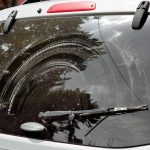
Why Is My Defogger Not Working Causes And Fixes

If your car’s defogger suddenly stops working, it can turn a clear drive into a foggy nightmare. The good news is, most issues are fixable with a few simple checks. A common cause is a blown fuse or faulty switch, while more complex problems might involve the blower motor or heater core. By identifying and addressing these key components, you can restore your defogger’s performance quickly.
In short, your defogger might not be working due to blown fuses, a faulty blower motor, or blocked vents. Checking these elements first can often solve the problem without the need for a professional. If these quick fixes don’t work, deeper issues like a malfunctioning heater resistor or sensor could be the culprit.
When your car’s windows fog up unexpectedly, visibility becomes a serious safety concern, especially in cold or humid conditions. Defoggers are designed to clear the glass quickly, but if they’re not functioning, it can be frustrating and dangerous. Common reasons include electrical issues, clogged vents, or problems with the heating system. Sometimes, it’s simply a matter of replacing a blown fuse or resetting the system. Other times, more involved repairs are needed, like fixing the blower motor or the thermostat. Understanding why your defogger isn’t working can save you time and money, and most problems can be diagnosed with basic troubleshooting. Ensuring your defogger is in top shape keeps your driving safe and hassle-free, no matter the weather.

Why is My Defogger Not Working? A Complete Guide
Understanding How Your Car Defogger Works
A car defogger helps clear the windshield and windows from fog and moisture, ensuring safe driving. It works by heating the glass or removing humidity from the air inside the vehicle. When functioning properly, it quickly clears fog, improving visibility.
Common Reasons Why Your Defogger May Not Be Working
Knowing the reasons behind a malfunction can save you time and money. There are several common issues that cause the defogger to stop working effectively. These include electrical problems, clogged vents, or mechanical failures.
Electrical System Issues
Your defogger relies on the vehicle’s electrical system. If there’s a blown fuse, faulty wiring, or a malfunctioning switch, the defogger may not turn on. Regular electrical checks can identify these problems early.
Blown Fuses and Relays
Fuses are safety devices that protect your vehicle’s electrical circuits. A blown fuse in the defogger circuit prevents power from reaching the heating elements. Replacing blown fuses often restores function.
Faulty Switch or Control Module
Sometimes, the problem isn’t with the power source but with the switch itself. A worn-out or broken switch cannot send the signal to turn on the defogger. In some models, the control module may also malfunction.
Mechanical and Physical Blockages
Physical obstructions can also stop the defogger from working right. Dust, dirt, or debris in vents can block airflow. Additionally, physical damage to vents or heating elements can prevent proper operation.
Clogged Vents and Ducts
Over time, vents can gather dust and debris, reducing airflow. Regular cleaning helps maintain proper air circulation, which is essential for defogging.
Damaged Heating Elements
The heating wires inside the windshield or rear window can crack or break. Damaged elements won’t produce enough heat to clear fog. Repairing or replacing these elements is necessary in such cases.
Problems with the HVAC System
Your defogger often works with the heating, ventilation, and air conditioning (HVAC) system. If this system isn’t functioning properly, the defogger might not work as it should.
Temperature and Fan Settings
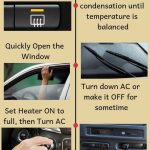
Incorrect settings can make it seem like the defogger is broken. Check that you’re using the highest heat and fan speed. Also, ensure the air isn’t set to recirculate, which can trap moisture inside.
Faulty Blower Motor
The blower motor pushes air through the vents. If it fails, no air reaches the windshield, making defogging impossible. Testing or replacing the blower motor can fix this issue.
Moisture and Humidity Problems Inside the Vehicle
High humidity inside your car can make it difficult for the defogger to work efficiently. This is common during rainy or humid days, but it can also happen when your car is poorly ventilated.
Leaking Door Seals and Windows
If door seals or windows are damaged, moisture can seep inside, increasing humidity levels. Regularly inspect and replace worn seals to keep moisture out.
Clogged Cabin Air Filter
A dirty or clogged cabin air filter reduces airflow and can trap moisture inside. Replacing the filter is a simple fix that can improve defogging performance.
Maintenance Tips to Improve Your Defogger’s Performance
Regular maintenance can keep your defogger working effectively. Here are some tips to follow:
- Inspect and replace blown fuses related to the defogger circuit
- Regularly clean vents and ducts to prevent blockages
- Check the wiring and switch for signs of wear or damage
- Replace damaged heating elements promptly
- Keep windows and door seals in good condition to prevent moisture leaks
- Change the cabin air filter as recommended by your vehicle’s manual
- Use the air conditioning system to reduce humidity inside the vehicle
When to Seek Professional Help
If you’ve gone through these troubleshooting tips and your defogger still isn’t working, it’s time to consult a professional mechanic. Complex electrical issues, broken heating elements, or HVAC problems require specialized equipment and expertise.
Summary of Key Troubleshooting Steps
| Issue | Possible Cause | Solution |
|---|---|---|
| Defogger not turning on | Blown fuse, faulty switch, wiring problem | Check and replace fuse, inspect switch and wiring |
| Low heat or fog persists | Damaged heating element, clogged vents | Replace heater, clean vents and ducts |
| Air not blowing strongly | Blower motor failure | Test and replace blower motor as needed |
| Moisture buildup inside | leaks, bad seals, high humidity | Repair seals, improve ventilation, replace cabin filter |
—
By understanding these common causes and maintenance tips, you can keep your vehicle’s defogger working properly. Always remember that safety on the road depends on clear visibility, so don’t ignore persistent issues. Regular checks and timely repairs will help you see clearly, no matter the weather outside.
Frequently Asked Questions
What could be the reason the defogger isn’t clearing the windshield effectively?
If your defogger isn’t working well, check whether the air vents are blocked or dirty. Also, verify that the climate control settings direct airflow to the windshield and that the system is set to the defog or defrost mode. Low cabin air quality or insufficient airflow can hinder the defogging process.
How does a malfunctioning blower fan affect the defogger’s performance?
The blower fan circulates air to clear fog from the windshield. When it fails or operates weakly, airflow diminishes, preventing the defogger from working properly. Examine the fan for any signs of damage or failure and ensure it runs smoothly when you activate the defog feature.
Can a clogged cabin air filter cause my defogger to stop working?
Yes, a dirty or clogged cabin air filter restricts airflow inside the vehicle, making the defogging process less effective. Replacing the filter regularly improves airflow and ensures the defogger functions as intended. Consider inspecting the filter if the system seems underperforming.

Similar Posts