Can An Acorn Crack A Windshield? Find Out Here
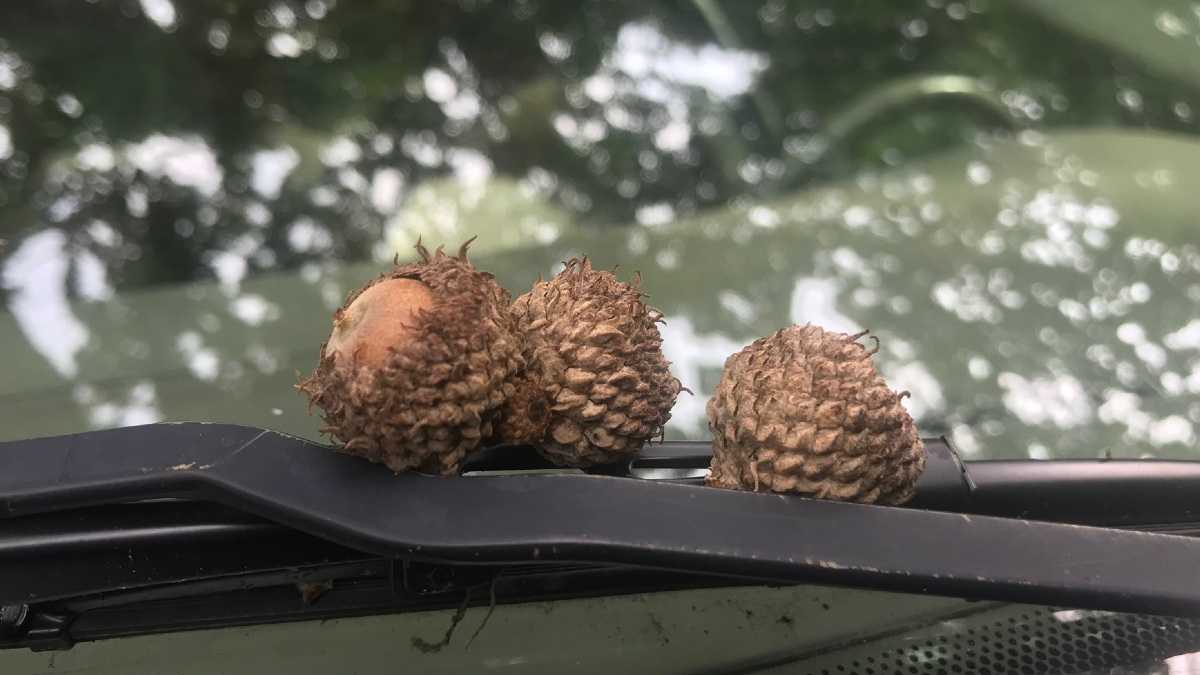
Yes, an acorn can crack a windshield, but it’s relatively unlikely to cause significant damage. Most acorns are small and lightweight, so they rarely generate enough force to break glass unless they fall from a great height or strike a vulnerable spot.
A small acorn hitting your windshield is usually just a minor nuisance, but in rare cases, especially when falling from high above or hitting a weak spot, it can cause cracks or chips. Typically, such damage is caused by larger objects or debris during a storm, but don’t dismiss the possibility of an acorn contributing to a crack if it hits with enough force at just the right angle. It’s always good to inspect your windshield after a fall from a tree or during fall seasons, as minor chips might develop into larger cracks over time. Understanding the impact of different debris helps you stay prepared and protect your vehicle from costly repairs.

Can an Acorn Crack a Windshield?
Understanding the Impact of Acorns on Windshields
Acorns are small, hard nuts that fall from oak trees. Many drivers worry about whether an acorn can crack their windshield during a fall. Typically, acorns are lightweight and soft compared to other objects that could damage glass.
However, under certain conditions, an acorn has the potential to cause damage. The severity depends on factors such as the acorn’s size, speed when hitting the glass, and the windshield’s strength.
How Hard Is an Acorn?
Acorns are made of a tough outer shell with a soft nut inside. Their shells are hard enough to protect the seed within, especially when falling from a height. When dropped from a tree, acorns can reach speeds that make impact potentially damaging.
While generally small and light, a large, mature acorn can be over an inch long and quite dense. This density increases the force upon impact, especially if the acorn falls from a significant height.
Could an Acorn Crack Your Windshield?
Most acorns are unlikely to crack a windshield. Your windshield is designed to withstand impacts from smaller objects like stones or gravel. The likelihood of an acorn causing a crack depends on several factors:
- Size and weight of the acorn: Larger acorns have more mass, which can increase impact force.
- Height from which it falls: The higher the fall, the faster the acorn is traveling.
- Speed at impact: Speed increases with height and affects impact energy.
- Type of windshield: Some windshields are tougher or have protective coatings that resist cracks.
In most everyday situations, an acorn is too light and slow to cause a crack. But in rare circumstances, it could leave a dent or chip if it hits with enough force.
Factors That Increase the Risk of Damage
Various elements can increase the chance of an acorn damaging your windshield:
Height of the Fall
Higher trees mean acorns fall faster. When falling from tall oaks, impact speed can increase significantly.
Size of the Acorn
Big, mature acorns weigh more and have more momentum, making impacts more powerful.
Angle of Impact
If an acorn hits the windshield directly in the center, it can cause more damage than a glancing blow.
Wind Conditions
Wind can change the acorn’s trajectory, causing it to hit at odd angles or with more force.
Comparing Acorn Impact to Other Debris
To understand this better, let’s compare acorn impacts to other common objects:
| Object | Average Weight | Impact Potential |
|---|---|---|
| Small Stone | 10 grams | Higher risk of cracking |
| Acorn | 5-20 grams | Usually unlikely to crack |
| Fallen Leaf | Less than 1 gram | Very low risk |
This table shows that acorns are generally less hazardous than stones but can still cause minor damage under the right circumstances.
What Happens When an Acorn Hits a Windshield?
Typically, an acorn impact results in minor damage like a small chip or scratch. Rarely does it cause a full crack unless other factors are at play.
If an acorn hits at high speed or hits a weak spot, it may leave a dent or a tiny chip. In some cases, the impact can cause the integrity of the glass to weaken, leading to a crack over time.
Can You Prevent Acorn-Related Damage?
Yes, there are several ways to prevent damage from falling acorns:
- Park your car under trees: Use covered parking when possible.
- Use windshield covers: These can protect against falling debris.
- Regularly clear your driveway: Removing acorns can prevent them from hitting your windshield.
- Check for weak spots: Repair small chips early to prevent cracks.
Taking these precautions can significantly reduce your chances of damage from acorns or similar objects.
What Should You Do if Your Windshield Gets Hit?
If an acorn hits your windshield, assess the damage. Small chips can sometimes be repaired easily with a resin filler. Larger cracks may require a windshield replacement.
It’s important to act quickly to prevent the crack from spreading. Remember, even a tiny chip can turn into a large crack if not treated promptly.
Summary: How Likely Is an Acorn to Crack Your Windshield?
While an acorn can potentially crack a windshield, it’s quite rare. Most impacts result in minor chips or dents rather than full cracks.
The risk increases when acorns fall from tall trees or when larger acorns hit with greater force. Still, the overall chances remain low given their size and weight.
Related Topics
Here are some related topics to consider discussing further:

Similar Posts