Do Windshield Cracks Always Spread Or Stay Small
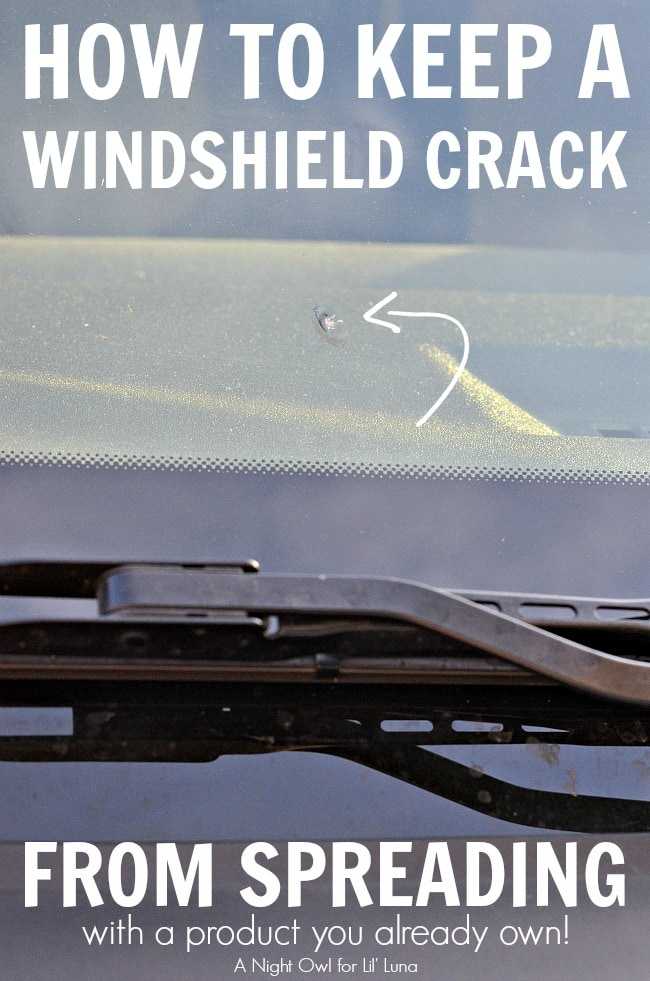
Yes, windshield cracks can spread, but not always immediately. Whether a crack will grow depends on factors like temperature changes, driving conditions, and the type of crack. Sometimes, cracks remain small for years, while other times, they spread rapidly, compromising your visibility and safety.
Cracks in your windshield don’t always spread instantly, but they tend to worsen over time if left untreated. Knowing what influences crack growth can help you decide whether to repair immediately or wait. Understanding this can save you money and keep you safe on the road.
Cracks in a windshield are a common inconvenience, and many drivers wonder if they will inevitably grow larger. The truth is, cracks can sometimes stay the same size for years, while other times, they spread quickly, especially under certain conditions. Factors like temperature fluctuations, vibrations from driving, and the type of crack play significant roles in whether a crack will spread. Immediate repair is usually recommended for large or evolving cracks to prevent more costly replacements later. But, with proper care and awareness, you can sometimes delay or prevent further damage, ensuring your windshield remains as safe as possible for as long as it can.

Do Windshield Cracks Always Spread? Understanding How and Why Cracks Develop
Many drivers wonder if a tiny crack in their windshield will stay small or grow bigger over time. The question of whether cracks always spread is common and important because it influences how quickly you should fix or replace your glass. In this article, we’ll explore what causes cracks to spread, factors that affect their growth, and how you can prevent or stop cracks from getting worse.
What Causes Windshield Cracks to Spread?
Cracks in windshields can grow due to several reasons. Usually, small cracks can stay the same size for months or even years. But certain factors can cause cracks to expand quickly or gradually over time.
Impact and Initial Damage
The original impact that caused the crack is the primary factor in whether it spreads. A hard hit or stone hitting the glass creates a crack. The size and shape of this crack influence its potential to grow.
Temperature Fluctuations
Extreme changes in temperature make glass expand and contract. This stress can cause existing cracks to widen, especially if the crack is already weak. Rapid temperature shifts from hot to cold are particularly problematic.
Vibrations and Road Conditions
Driving on rough roads or over potholes causes vibrations that can worsen cracks. These vibrations place extra stress on the glass, encouraging cracks to spread.
Quality of the Windshield Material
Some windshields are made with better quality glass and stronger adhesives. Lower quality glass is more susceptible to cracking and spreading under stress.
Factors That Influence Crack Growth
Not all cracks will grow. Several elements determine whether a crack stays small or gets larger over time.
Type and Size of the Crack
Longer, deeper, or more complex cracks are more likely to spread. Small chips or hairline cracks usually remain stable unless impacted again.
Location of the Crack
Cracks near the edges of the windshield tend to spread faster because the glass is less supported. Cracks in the middle are generally more stable.
Exposure to Sunlight and Weather
Sunlight can heat the glass unevenly, increasing stress at the crack. Rain or snow can also weaken the crack if water seeps into it.
Frequency of Driving and Vehicle Use
Vehicles that are driven frequently, especially on bumpy roads, are exposed to more stress, which may lead to crack growth over time.
Will All Cracks Eventually Spread?
While some small cracks stay the same or even heal slightly over time, many will grow if left untreated. The severity of spreading depends on the crack’s characteristics and external conditions.
Cracks That Typically Do Not Spread
Small chips or spots that are less than a few millimeters usually don’t expand unless disturbed or exposed to temperature extremes.
Cracks That Usually Spread
Large or complex cracks, especially those extending across the glass, tend to grow over time, particularly if exposed to stress or weather changes.
How Fast Can Cracks Spread?
The speed at which a crack grows varies widely. Some cracks may remain stable for years, while others can widen in just a few days or weeks.
Factors Accelerating Crack Growth
- Temperature swings: Rapid heating or cooling causes glass expansion and contraction.
- Physical impacts: Hitting or pressure can push cracks to expand.
- Driving conditions: Bumpy roads increase stress on windshields.
Factors Slowing or Preventing Cracks from Spreading
- Timely repairs: Fixing small cracks quickly prevents spread.
- Protecting from weather: Parking in shaded areas and covering the vehicle reduces temperature effects.
- Avoiding rough terrain: Driving carefully minimizes vibrations.
Can You Prevent Windshield Cracks From Spreading?
Yes, taking simple precautions and acting quickly helps stop cracks from spreading further. Here are some tips for keeping your windshield intact:
Immediate Repair
If you notice a crack, have it fixed as soon as possible. Small repairs prevent further growth and maintain safety.
Protect From Temperature Extremes
Park in shaded areas or indoors to avoid rapid temperature changes that stress the glass. Using sunshades can help control heat buildup.
Avoid Sudden Jarring Movements
Drive carefully over bumps and potholes to reduce vibrations. Gentle driving lessens stress on the windshield.
Use Quality Windshield Repair Products
For minor cracks or chips, commercial repair kits can sometimes reinforce the glass temporarily. However, professional repair provides better results.
Regular Inspection
Check your windshield periodically, especially after impacts or extreme weather. Early detection helps prevent cracks from expanding.

Similar Posts