Does Laminated Glass Provide Safety In Accidents
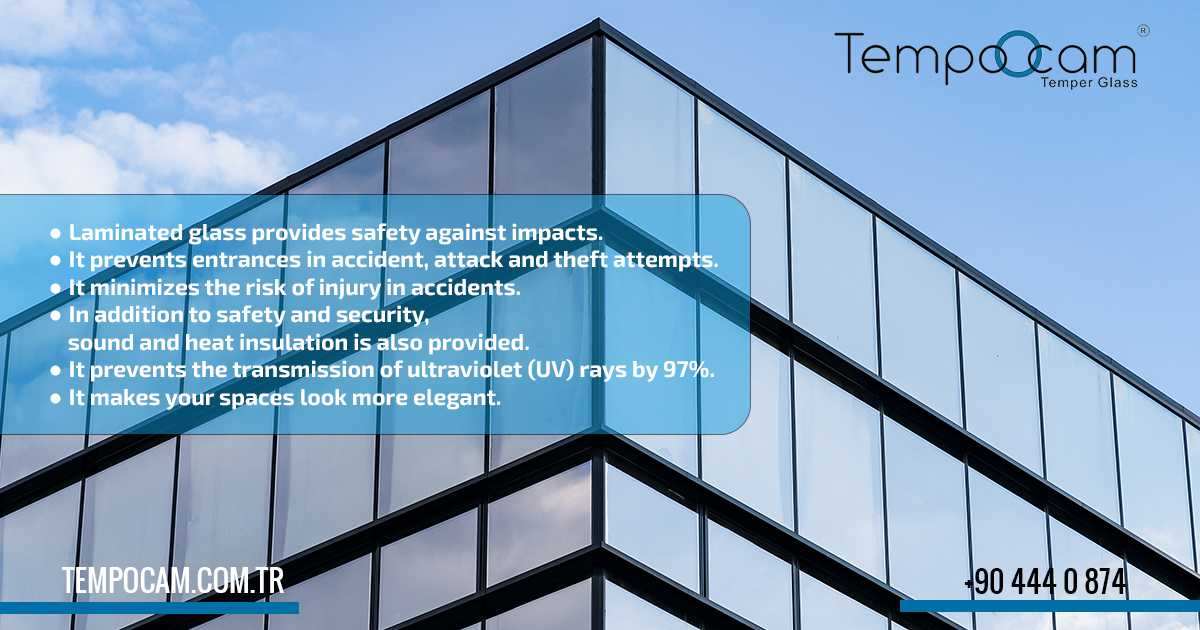
Laminated glass is a game-changer when it comes to safety in accidents. If you’re wondering whether it truly offers better protection, you’re not alone. The quick answer is yes – laminated glass significantly enhances safety by preventing shattering and holding together broken fragments, reducing injury risks. It also acts as a barrier against debris and impacts, making it a popular choice for car windshields and building windows.
Laminated glass is designed to keep you safer during collisions and accidents by maintaining its structure even when broken, preventing dangerous shards from flying around. Its unique construction, with a plastic interlayer sandwiched between two glass sheets, means it doesn’t just break apart into dangerous pieces but instead maintains its integrity, offering added protection for occupants and pedestrians alike. Whether in your car or home, laminated glass is a smart safety feature worth considering for peace of mind during unexpected incidents.

Does Laminated Glass Provide Safety in Accidents?
Understanding Laminated Glass: What Is It?
Laminated glass is made by bonding two or more layers of glass with a special plastic layer called PVB (polyvinyl butyral). This plastic layer holds the glass together if it breaks, making the shards stick to the plastic instead of flying around. Because of this, laminated glass is often used in car windshields and safety windows.
How Does Laminated Glass Improve Safety?
Unlike regular glass that shatters into many sharp pieces, laminated glass crumbles into small, dull fragments or stays mostly intact. This feature reduces the risk of injuries during accidents. It also acts as a barrier, preventing objects from passing through the glass and into the space behind it.
The Role of the Plastic Interlayer in Accident Safety
The PVB layer in laminated glass is key to its safety benefits. It absorbs impact energy, which helps slow down the force of a collision. This means people inside a vehicle or building are less likely to get hurt from shattered glass.
Impact Resistance of Laminated Glass
Laminated glass is tested for its ability to withstand impacts from rocks, balls, and other objects. It can resist higher forces than regular glass, making it ideal for areas prone to accidents or vandalism. Studies show laminated glass can absorb impacts up to 50 percent more than standard glass without breaking.
Breakage Patterns and Safety
When laminated glass does break, it usually forms small, rounded pieces that are less likely to cause cuts. The plastic layer helps keep these pieces in place. This containment minimizes injuries caused by flying glass shards, especially during vehicle accidents or natural disasters.
How Laminated Glass Acts in Vehicle Collisions
In car accidents, laminated windshields are vital for safety. They prevent the glass from shattering outward and causing injuries to passengers and pedestrians. Also, they maintain the structural integrity of the vehicle, helping the driver retain steering control after a crash.
Protection from Ejection
Laminated windshields help prevent occupants from being ejected during a crash. They act as a barrier that keeps passengers inside the vehicle, reducing the risk of severe injuries or fatalities.
Enhancing Airbag Effectiveness
Laminated glass helps airbags work better by providing a stable surface for deployment. It maintains the shape of the windshield, which supports proper airbag function and improves occupant safety.
Safety Benefits of Laminated Glass in Building Windows
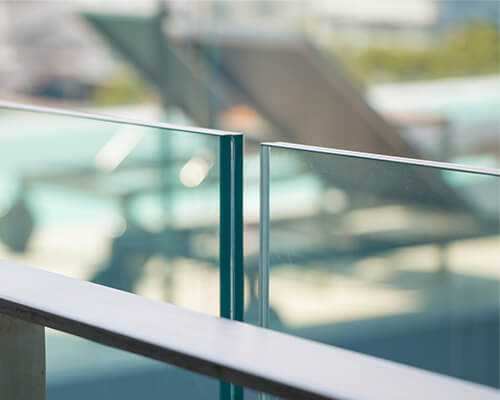
Laminated glass isn’t just for vehicles; it is equally beneficial for buildings. It provides safety from accidental impacts, natural disasters, and even vandalism.
Protection During Earthquakes and Storms
Laminated glass is especially useful in earthquake-prone or storm-prone areas. It resists shattering from high winds or flying debris, preventing dangerous glass shards from falling inside buildings.
Vandalism and Security
This type of glass is harder to break through than regular glass. It acts as a deterrent for vandals and intruders, helping protect residents and assets inside homes or businesses.
Can Laminated Glass Prevent Injury in Accidents?
Yes, laminated glass significantly reduces the risk of injury during accidents. Its ability to stay intact or break into less dangerous fragments minimizes cuts and lacerations that often occur with regular glass.
Additional Safety Features of Laminated Glass
Laminated glass can include extra safety features such as UV protection and noise reduction. These qualities improve safety by blocking harmful rays and decreasing harmful noise levels.
UV Protection for Health
The plastic layer filters out ultraviolet rays. This protects the skin and reduces fading of interior furnishings after a collision or during normal use.
Noise Reduction Capabilities
The multiple layers of glass and plastic also reduce sound transmission. This feature enhances safety by creating quieter environments, helping occupants stay alert and focused.
Limitations and Considerations
While laminated glass offers many safety benefits, it’s essential to understand its limitations. It might be more expensive than regular glass and can be heavier, impacting installation and cost.
Cost Implications
Laminated glass typically costs more due to the added manufacturing process. However, its safety benefits often outweigh the initial expenses, especially in high-risk areas.
Weight Factors
Laminated glass is heavier than standard glass, which requires stronger frames and support structures. Proper installation is necessary to ensure safety and durability.
Additional Safety Tips for Using Laminated Glass
To maximize safety, consider selecting the appropriate thickness and specifications based on location and potential risks. Regular inspections can also prevent issues caused by damage or aging.
Choosing the Right Thickness
Thicker laminated glass offers better impact resistance and safety. For high-traffic or high-impact areas, thicker glass is usually recommended.
Maintaining Laminated Glass
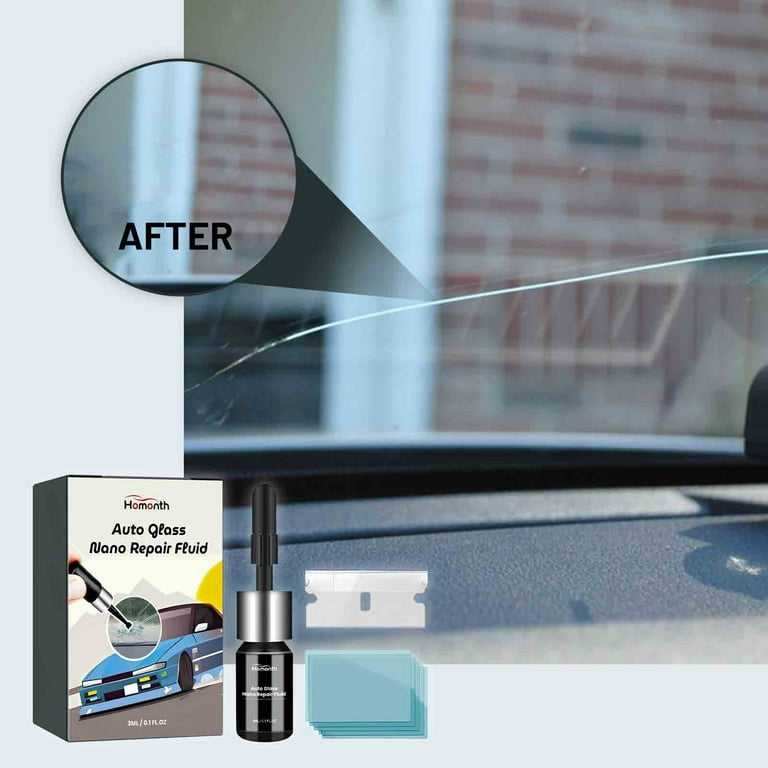
Regular cleaning and inspection help identify cracks or damage early. Prompt repairs prevent compromised safety and extend the lifespan of the glass.
Laminated glass provides significant safety benefits in accidents by reducing injuries caused by shattered glass and preventing objects from passing through broken panes. Its ability to absorb impact and stay intact makes it an essential safety feature in vehicles, buildings, and more. Investing in laminated glass can improve safety and peace of mind in many everyday situations.

Similar Posts