How Do You Get Rid Of Haze On The Inside Of A Windshield

To clear haze from the inside of your windshield, start by ensuring your car’s interior is clean and well-ventilated. Use a mixture of equal parts vinegar and water or a dedicated glass cleaner to wipe down the glass, then dry it thoroughly. Installing a dehumidifier or using the AC’s defrost setting can help prevent future buildup of condensation and haze. Regular cleaning and moisture control are key to keeping your windshield crystal clear.
Haze on the inside of a windshield is often caused by humidity, temperature differences, and accumulated dirt or oils from regular use. To get rid of it, carefully clean the glass with an appropriate cleaner, ensure proper ventilation in your car, and control indoor humidity levels. With these simple steps, you can maintain a clear, unobstructed view while driving.
If you’re tired of squinting through foggy glass, don’t worry—removing haze from the inside of your windshield is easier than you think. It’s common for a film of moisture, dust, and oils to develop from daily use, especially in humid conditions. This haze not only obstructs your view but can also be a safety hazard. The good news is, with a few simple tools and regular maintenance, you can restore clarity in no time. Regular cleaning, proper ventilation, and moisture management will keep your windshield spotless and ensure your driving experience remains safe and comfortable.

How do you get rid of haze on the inside of a windshield?
Understanding the Causes of Haze on the Inside of Your Windshield
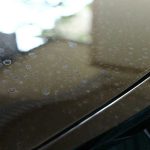
Haze on the inside of a windshield is a common issue drivers face. It generally appears as a cloudy or foggy film that reduces visibility. Several factors contribute to this problem, including humidity, temperature changes, and the buildup of dirt or residues from cleaning products. Identifying the root cause helps in choosing the correct solution.
Common Causes of Interior Windshield Haze
- Humidity and condensation: High moisture levels in your car can create fog or haze, especially during cold weather.
- Residue from cleaning products: Harsh or improper cleaning can leave streaks or films on the glass surface.
- Oil and dirt buildup: Body oils, grease, and dust accumulate over time, forming a layer that causes haze.
- Fungal or mold growth: In humid environments, mold can develop on interior surfaces, including the windshield.
Step-by-Step Guide to Removing Haze from the Inside of Your Windshield
Getting rid of haze doesn’t require professional help in most cases. Simple cleaning routines can restore clarity and improve visibility. Here is an effective step-by-step process:
Gather the necessary supplies
Before starting, make sure you have:
- Microfiber cloths: Soft and non-abrasive, ideal for cleaning glass surfaces.
- Glass cleaner: Specifically formulated for automotive glass.
- Vinegar and water solution: Natural alternative to commercial cleaners.
- Commercial haze remover products: Designed to tackle stubborn haze and residue.
- Distilled water: To avoid mineral deposits that can cause streaks.
- Goggles and gloves: For safety when handling chemicals.
Clean the windshield with a glass cleaner
Start by spraying a generous amount of glass cleaner onto the windshield. Use a microfiber cloth to wipe gently in circular motions. This step removes surface dirt, dust, and smudges that can contribute to haze.
Use a vinegar and water solution for stubborn haze
Mix equal parts of distilled water and white vinegar in a spray bottle. Spray this mixture onto the glass and wipe with a clean microfiber cloth. Vinegar helps dissolve residues and cuts through grease and grime.
Apply a commercial haze remover for persistent haze
If haze persists, apply a haze removal product following the manufacturer’s instructions. These products are specially formulated to eliminate foggy films and restore transparency.
Clean the interior surfaces regularly
Frequent cleaning prevents haze buildup. Wipe down the inside of the windshield with a microfiber cloth and appropriate cleaner at least once a week.
Additional Tips to Prevent Future Haze
Prevention is better than cure. Implement these habits to keep your windshield clear longer:
Use a defogger or air conditioning correctly
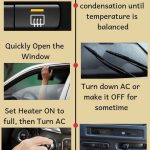
Turning on the air conditioner or defogger reduces humidity inside your vehicle. Set the climate control to recirculate air less often and keep the air flowing.
Maintain proper cabin humidity levels
Using a dehumidifier or moisture absorber can prevent excess moisture buildup in your car. This minimizes fog formation on the windshield.
Keep the interior clean and dry
Regularly vacuum and wipe down the dashboard, seats, and windows. Removing dirt, dust, and oils reduces haze formation.
Avoid using harsh cleaning products
Stick to products specifically designed for automotive glass to prevent residues that cause haze.
Dealing with Mold and Mildew Inside the Car
In humid climates, mold can develop on interior surfaces, including the windshield. Address this promptly to prevent health issues and further haze.
Identify mold growth
Look for black or green patches on the dashboard, headliner, or near vents. Mold often has a musty smell and appears as fuzzy patches.
Use a mold killer spray
Apply a commercially available mold remover to affected areas, following instructions carefully. Use gloves and masks for safety.
Ensure proper ventilation
Open windows or doors to ventilate the car. Running the air conditioning with the recirculate function off also helps remove moisture and mold spores.
When to Seek Professional Help
If haze persists despite regular cleaning, it might be time to see an auto glass specialist. Professionals can perform deep cleaning, reconditioning, or even replace the windshield if needed.
Signs you need professional assistance
- The haze is stubborn and resists cleaning.
- You notice persistent streaks or cloudy patches.
- There is visible mold or mildew that cannot be removed easily.
- The haze significantly impairs visibility while driving.
Maintaining Your Windshield for Long-Term Clarity
Consistent maintenance keeps your windshield clear and haze-free over time. Adopt simple habits such as:
- Cleaning the glass regularly.
- Using appropriate cleaning products.
- Controlling humidity inside your vehicle.
- Replacing cabin air filters when necessary.
- Keeping your vehicle in a dry, shaded place whenever possible.
Summary of Effective Methods to Remove Haze
| Method | Description | Best For |
|---|---|---|
| Commercial Glass Cleaners | Quickly removes surface dirt and some haze. | Light haze, regular maintenance |
| Vinegar and Water Solution | Natural, affordable remedy for residues. | Moderate haze, eco-conscious cleaning |
| Haze Removal Products | Formulated to dissolve stubborn haze film. | Persistent or thick haze |
| Deep Cleaning and Professional Services | Thorough removal for severe haze or mold. | Severe cases, recurring issues |
Having a clean, clear windshield enhances driving safety and comfort. Regular maintenance, prompt cleaning, and proper humidity control are essential to prevent haze from forming again. When in doubt, consult an automotive professional to ensure your windshield stays spotless and your view remains unobstructed.
automotive (cleaning the haze from your windshield)
Frequently Asked Questions
What are some effective household items I can use to clear haze from my windshield interior?
You can use common household items like a mixture of equal parts water and white vinegar or a mild soap solution. Spray the mixture onto a soft cloth and gently wipe the interior surface of the windshield. These substances help break down the residues causing haze without damaging the glass. Always ensure you wipe in a circular motion for even cleaning and dry the surface thoroughly afterward to prevent streaks.

Similar Posts