How Long Does Car Coating Last And How To Maximize It
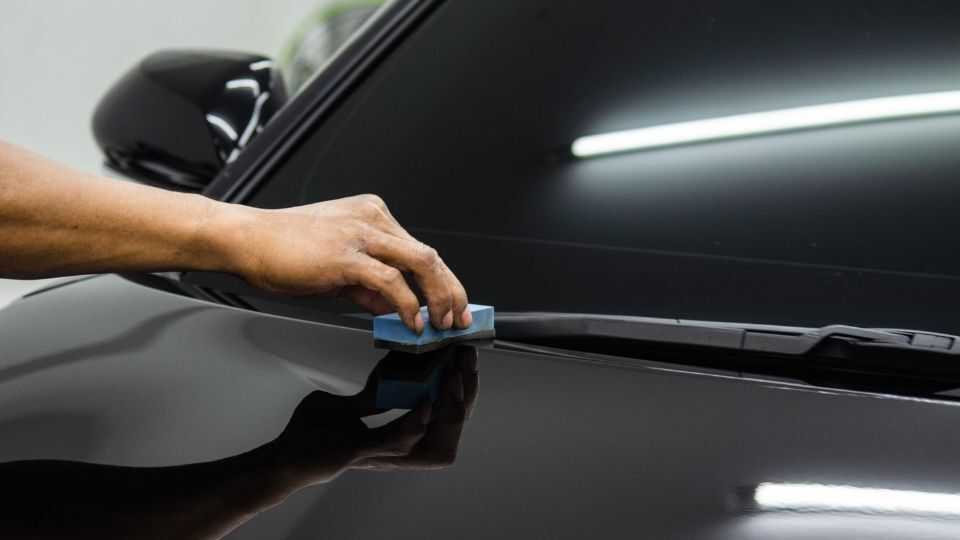
Car coating can last anywhere from 2 to 5 years, depending on various factors like the quality of the coating, maintenance, and driving conditions. A good-quality coating, combined with proper care, can keep your car looking shiny and protected for years, but neglect or harsh environments may shorten its lifespan.
For most car owners, the longevity of a coating depends on the type of product used and how well it’s maintained. Typically, a premium ceramic coating can last around 3 to 5 years, while more basic coatings might need reapplication after 2 years. Regular washing, avoiding harsh chemicals, and occasional top-ups can extend its durability, ensuring your vehicle stays protected and glossy for as long as possible.
If you’re wondering exactly how long your car’s coating will last, it’s always a good idea to consider the product’s quality and your maintenance routine. A well-maintained coating not only looks great but also provides lasting protection against scratches, dirt, and the elements.

How Long Does Car Coating Last?
Car coating can be a great way to protect your vehicle’s paint and keep it looking shiny. But many car owners wonder exactly how long this coating will last on their vehicle. The lifespan of a car coating depends on several factors, including the type of coating, how well it was applied, and how you care for your car. Let’s explore the details to answer the question, “How long does car coating last?” and help you understand what to expect from your investment.
Types of Car Coatings and Their Durability
1. Ceramic Coatings
Ceramic coatings are popular for their durability and glossy finish. Typically, a high-quality ceramic coating lasts between two to five years. Some advanced formulas can even last up to seven years with proper maintenance.
The key to longevity is the thickness of the coating and the application’s quality. Thicker coatings tend to provide longer protection, but they also require precise application.
2. Polymer and Synthetic Sealants
Polymer sealants tend to last between four to six months. They are easier to apply but need frequent reapplication for continued protection. These coatings are ideal for temporary protection or if you prefer a budget-friendly option.
Regular reapplication ensures your car remains protected from environmental damage, dirt, and UV rays.
3. Wax Coatings
Waxes typically last from one to three months depending on weather conditions and how often you wash your car. They give a nice shine but require frequent reapplication for ongoing protection.
Wax coatings are more suitable for owners who want a quick shine without long-term commitments.
Factors Impacting the Duration of Car Coating
1. Application Process Quality
A professional application usually results in a longer-lasting coating. Proper prep work, cleaning, and even layer application are essential for durability. DIY applications may not last as long due to mistakes or uneven layers.
2. Environmental Exposure
Cars parked outdoors face more stress from UV rays, rain, snow, and dirt, which can weaken the coating over time. Vehicles kept in garages often see extended coating lifespan.
Pollution and bird droppings also accelerate the deterioration of coatings, so regular cleaning is critical.
3. Maintenance and Care
Washing your car properly with gentle products preserves the coating. Avoid harsh chemicals that can degrade the protective layer. Regularly waxing or topping off the coating can extend its lifespan.
Car owners should follow the manufacturer’s instructions on washing and maintenance to maximize durability.
How to Maximize the Lifespan of Your Car Coating
1. Follow Proper Washing Techniques
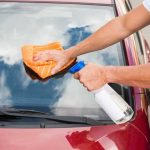
Use soft microfiber cloths and pH-balanced shampoos. Wash in the shade to avoid water spots and soap drying unevenly.
Avoid high-pressure washers that can strip the coating prematurely. Gentle hand washing is best for longevity.
2. Regularly Reapply or Top Off Coating
For coatings like ceramic, consider reapplying a second layer after the recommended time. This refreshes the protective barrier and maintains shine.
Wax or sealant layers can be topped off to extend the original protection period.
3. Park in Covered or Indoor Areas
Minimizing exposure to harsh weather helps prevent degradation. Parking in shade or garages protects your coating from UV damage.
Protection from environmental contaminants like bird droppings and tree sap also prolongs the coating’s lifespan.
Signs That Your Car Coating Is Wearing Off
1. Loss of Gloss and Shine
If you notice your car’s paint appears dull or faded, it could indicate the coating is wearing away. Regular checkups help spot these signs early.
2. Increased Dirt and Water Spots
When water no longer beads on the surface, or dirt sticks easily, the protective layer is thinning. A well-maintained coating should repel water and dirt.
3. Scratches and Damage
Deeper scratches or paint chips become more visible as the coating depletes. This indicates it’s time for reapplication or additional protective layers.

Similar Posts