How To Remove Car Glass Paint Effectively
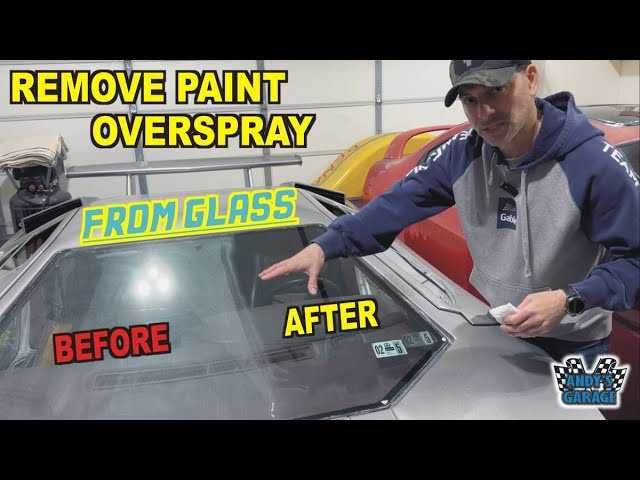
To quickly remove car glass paint, start by applying a paint remover or rubbing alcohol to loosen the paint, then gently scrape it off with a plastic scraper or razor blade. Follow up with glass cleaner to restore clarity and shine. Always test a small area first and take care not to scratch the glass.
Removing car glass paint can seem daunting, but with the right approach, it’s manageable and safe. The key is choosing the proper products and techniques to avoid damaging the glass surface. Whether you’re dealing with overspray from a painting project or unwanted decals, the process involves softening the paint with a solvent and carefully scraping it away. In this article, we’ll guide you through simple, effective methods to restore your car’s glass to its clear, pristine condition, ensuring a smooth, streak-free finish without any costly repairs.

How to Remove Car Glass Paint
Removing paint from car glass can seem like a tricky task, but with the right methods, you can do it safely and effectively. It’s important to choose the proper cleaning agents and tools to avoid scratching or damaging the glass. This guide covers everything you need to know about removing car glass paint step by step.
Understanding Car Glass Paint and Why It Needs Removal
Car glass paint is often used for decorative or advertising purposes. Sometimes, paint on the glass can peel or become unwanted over time. Removing it restores clarity, improves visibility, and keeps your car looking clean. Knowing the type of paint used helps determine the best removal method.
Types of Paint Commonly Used on Car Glass
There are several types of paint that might be on your car glass:
- Water-based paint: Usually easier to remove and less harmful to the glass.
- Oil-based or enamel paint: More durable and may require stronger solvents for removal.
- Vinyl or adhesive-based paint: Often used for decals or stickers, but can also be painted on glass directly.
Understanding which type you’re dealing with helps select the most effective removal approach.
Preparing Your Workspace and Tools
Before starting, gather all necessary tools and prepare a clean workspace. Wearing gloves protects your skin from harsh chemicals, and working in a well-ventilated area reduces inhalation of fumes. Have the following items ready:
- Plastic or metal scraper
- Glass cleaner or rubbing alcohol
- Commercial paint remover or solvent (if needed)
- Soft microfiber cloths
- Spray bottles
- Protective gloves and goggles
Clear the area around your car to avoid accidents and spills.
Step-by-Step Guide to Removing Car Glass Paint
Step 1: Clean the Surface
Start by cleaning the glass with a glass cleaner or soapy water to remove dirt and loose debris. This prevents scratching during the removal process.
Step 2: Test a Small Area
Apply a small amount of solvent or paint remover to a hidden corner to see how the glass reacts. Wait a few minutes to check for any damage or discoloration.
Step 3: Use a Plastic Scraper
Gently scrape the paint with a plastic scraper, starting from the edge. Use light pressure to avoid scratching the glass surface. Avoid using metal tools that could cause damage.
Step 4: Apply Appropriate Solvent
If the paint is stubborn, spray a commercial paint remover, rubbing alcohol, or acetone on the area. Let it sit for a few minutes to soften the paint.
Step 5: Wipe Away the Paint
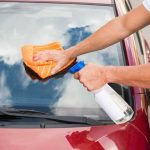
Use a microfiber cloth to wipe the loosened paint. Repeat the process of applying solvent and wiping if necessary. For large areas, work in sections for better control.
Step 6: Rinse and Clean
After removing all visible paint, thoroughly rinse the glass with clean water or glass cleaner. Dry with a clean cloth to prevent streaks.
Using Home Remedies to Remove Car Glass Paint
Some homeowners prefer natural or inexpensive methods:
- Vinegar: Mix equal parts vinegar and water, spray on the paint, and let sit for a few minutes before scraping or wiping.
- Rubbing Alcohol: Apply directly on the paint for quick softening, then wipe with a cloth.
- Baking Soda Paste: Mix baking soda with a small amount of water. Use a cloth or sponge to scrub the paint gently.
These options are less harsh but still effective for light paint removal.
Safety Precautions During Removal
Always wear gloves and goggles when working with chemicals. Ensure proper ventilation to avoid inhaling fumes. Never use abrasive or metal tools on glass, as they can cause scratches or cracks.
Tips to Avoid Damaging Your Car Glass
– Avoid using excessive force when scraping or applying solvents.
– Test solvents on small areas first.
– Use soft cloths and plastic scrapers only.
– Keep the glass moist during removal to prevent scratching.
– Follow manufacturer instructions on commercial products.
Additional Methods for Difficult Paints
If paint resists removal, consider these advanced steps:
Using a Heat Gun
Carefully applying heat with a heat gun can soften paint. Keep the gun moving to prevent overheating. Once softened, scrape gently.
Applying a Commercial Glass Paint Remover
Choose a remover formulated specifically for glass surfaces. Follow the instructions carefully, and ensure proper ventilation.
Professional Help
For large or stubborn paint jobs, consulting a professional may be best. They have specialized tools and solutions that can remove paint without risking damage.
Cleaning and Final Touches
Once the paint is removed, clean the glass thoroughly to remove any residue. Use a glass polish if needed for extra clarity. Check for scratches or damage and repair if necessary.
Preventing Future Paint Accidents on Car Glass
To avoid future issues:

Similar Posts