How To Buff Windshield Glass Effectively For Clear Vision

To buff your windshield glass effectively, start by cleaning the surface thoroughly, then use a polishing compound and a microfiber cloth or buffer to gently remove scratches and restore clarity. The key is patience and gentle pressure to achieve a smooth, streak-free finish.
Buffing your windshield can dramatically improve visibility and make your driving safer, all while saving you money on professional repairs. Whether you have minor scratches or stubborn haze, knowing the right techniques and tools can help you restore your glass to near-new condition right at home. In this guide, I’ll walk you through the simple steps to buff your windshield efficiently, so you can enjoy crystal-clear views without hassle. With a little effort, you’ll be amazed at how much a good buff can enhance your driving experience and extend the life of your glass.

How to Buff Windshield Glass
Buffing your windshield glass can greatly improve visibility and make your driving safer. Over time, dirt, grime, and minor scratches can build up on the glass surface. Regularly buffing your windshield helps keep it clear and free from blemishes.
Understanding Why Windshield Buffing Matters
Buffing removes surface imperfections like scratches, water spots, and haze that can obscure your view while driving. It also restores the glass’s clarity, making it look new and well-maintained. Proper buffing can prolong the life of your windshield and save you money on replacements.
Tools and Materials Needed for Buffing
To properly buff your windshield, gather the following supplies:
- Glass polishing compound or polish specifically for auto glass
- Microfiber or soft polishing cloths
- Electric buffer or polishing machine with variable speed settings
- Masking tape to protect surrounding areas
- Water spray or mist bottle
- Protective gloves and eye protection
Using the right tools ensures your job is effective and safe. A good quality buffer with adjustable speed gives you better control over the buffing process.
Preparing Your Windshield for Buffing
Start by cleaning your windshield thoroughly with soap and water. Remove all dirt, dust, and debris to prevent scratching. Dry the surface completely before proceeding to masking.
Apply masking tape around the edges of the windshield to protect your vehicle’s paint and trim. This step prevents accidental damage when using a buffer or polishing compound.
Once masked and cleaned, lightly spray water on the surface to keep the glass moist during buffing. Moisture helps reduce heat and prevents scratching.
Step-by-Step Guide to Buffing Windshield Glass
Step 1: Apply the Polishing Compound
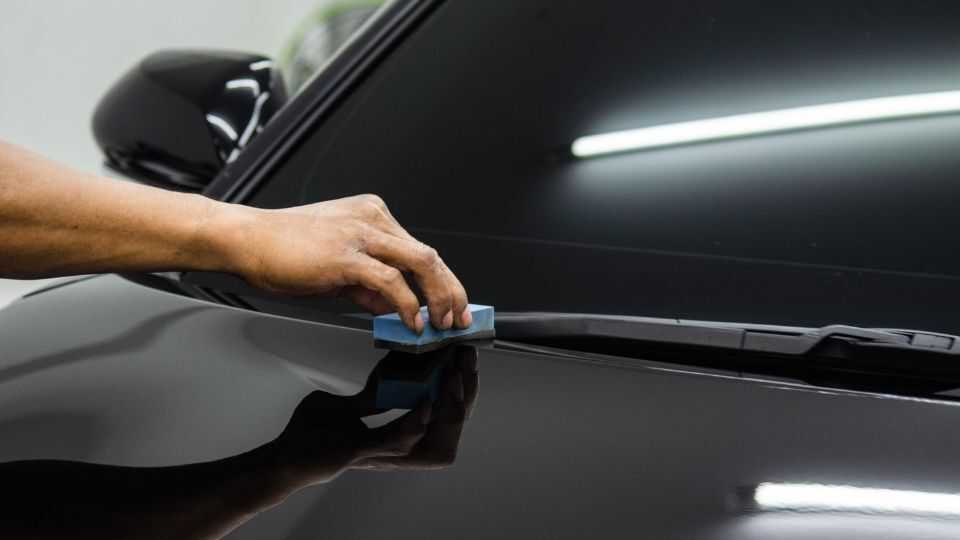
Put a small amount of glass polish onto your microfiber cloth or directly onto the buffing pad. Less is more; you can always add more if needed.
Step 2: Begin Buffing at Low Speed
Start your buffer at a low speed setting. Gently move it in circular motions across a small section of your windshield. Avoid applying too much pressure.
Step 3: Gradually Increase Speed and Cover Entire Surface
Once you get comfortable, increase the buffer’s speed slightly. Cover the entire windshield evenly, making sure to overlap each pass to avoid missed spots.
Step 4: Keep the Surface Moist
Periodically spray water on the glass to keep it moist during buffing. This helps prevent overheating and scratching during the process.
Step 5: Inspect Your Progress
Stop periodically to examine your work. Wipe away any excess polish with a clean cloth. If you notice persistent scratches or haze, repeat the buffing process.
Step 6: Final Wipe and Clean
Once you are satisfied with the clarity, wipe down the windshield with a clean, dry microfiber cloth. Remove any remaining residue and water spots.
Tips for Effective Windshield Buffing
- Use gentle pressure: Pressing too hard can cause new scratches or damage.
- Keep the surface moist: Regularly spray water to avoid overheating and scratching.
- Work in small sections: This allows for more control and a uniform finish.
- Use quality materials: Cheap polish or cloths can result in poor results or damage.
- Allow the compound to dry slightly: Follow the manufacturer’s instructions regarding curing times for best results.
Common Mistakes to Avoid During Windshield Buffing
Many people make simple errors that can ruin their windshield. Avoid these common pitfalls:
- Using rough or dirty cloths: These can scratch the glass surface.
- Applying too much pressure: This increases the risk of damaging the glass.
- Overbuffing one area: It can cause uneven surfaces or new scratches.
- Neglecting to protect surrounding areas: This can lead to paint or trim damage.
- Skipping cleaning before buffing: Dirt and debris will scratch the glass during polishing.
Additional Tips for Maintaining a Clear Windshield
Buffing is only part of maintaining your windshield’s clarity. Regular cleaning with appropriate glass cleaner prevents buildup of dirt and grime. Consider applying a water-repellent coating for better visibility during rain.
Inspect your windshield regularly for chips or cracks. Addressing minor damage early can prevent costly replacements later. Proper care and maintenance extend the lifespan of your glass and improve safety.
When to Seek Professional Help
While DIY buffing is effective for minor scratches and haze, severe damage may require expert attention. Deep cracks or chips should be evaluated by professionals to determine if repair or replacement is necessary. Attempting to buff heavily damaged glass can sometimes worsen the issue.
Buffing your windshield glass is a straightforward process that can significantly enhance your driving experience. Using the right tools, following proper steps, and avoiding common mistakes ensures a clear and safe view. Regular maintenance combined with buffing keeps your windshield looking new and functioning well for years to come.
How To Clear Up Streaky, Dirty Glass and Restore That Smooth, Clear View – Chemical Guys
Frequently Asked Questions
What is the best way to clean a windshield before buffing?
Cleaning the windshield thoroughly is essential before buffing. Start by washing the glass with car soap and water to remove dirt and debris. Use a clean microfiber cloth to wipe away grime, ensuring no dust or particles remain. For stubborn spots, apply a glass cleaner and wipe with a lint-free cloth. Proper cleaning prevents scratches and prepares the surface for effective buffing.
Which tools and materials are necessary for buffing a windshield?
You need a high-quality buffer or polishing machine with appropriate attachments, such as foam or microfiber pads. Use a glass polishing compound designed for automotive glass, and apply it with a soft cloth or applicator pad. Additionally, keep a clean, lint-free cloth and safety gear like gloves and eye protection on hand to ensure safety and proper application.
How can I prevent new scratches after buffing my windshield?
To prevent scratches post-buffing, always use clean tools and products. Avoid applying excessive pressure during buffing, and work in small sections to maintain control. After buffing, clean the windshield with a gentle glass cleaner and a soft cloth to remove any residual compound. Regular maintenance and careful handling help keep the glass smooth and scratch-free.

Similar Posts