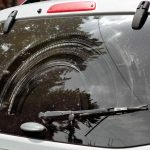
How To Detect Small Windshield Cracks Effectively

To spot small windshield cracks early, look for tiny lines or chips that may be barely noticeable at first glance. Gently inspect your windshield in bright light and from different angles—sometimes these tiny flaws are only visible when the sunlight hits just right. Using a magnifying glass can also help reveal even the smallest cracks before they spread further.
Small windshield cracks can be tricky to detect but catching them early is crucial to prevent costly repairs. A quick visual check with good lighting and attention to detail can reveal tiny chips or cracks that might otherwise go unnoticed. Regular inspections, especially after driving on rough roads or through hail, can save you money and keep your windshield safe.
Driving daily can hide tiny cracks in your windshield that threaten its integrity. Small cracks often start out very subtle, making them easy to overlook. However, early detection is key to preventing these tiny flaws from turning into major problems that compromise your safety or require complete windshield replacement. By learning how to spot these small cracks early, you can address them promptly and keep your vehicle’s glass in top shape. This guide will walk you through simple tips to identify even the smallest cracks, so you’re always aware of your windshield’s condition.

How to Detect Small Windshield Cracks
Understanding Small Windshield Cracks
Small cracks in a windshield may seem minor at first, but they can grow over time if not detected early. These tiny cracks often appear as fine lines or tiny star-shaped marks on the glass surface. Recognizing their presence quickly can help prevent larger, more costly damage.
Why Detecting Small Cracks Early is Important
Early detection can stop small cracks from spreading into bigger problems. Windshield integrity is crucial for safety, and even small cracks can weaken the glass over time. Additionally, many insurance policies require prompt repair or replacement to avoid penalties.
Visual Inspection Techniques
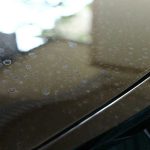
Regularly inspecting your windshield is the first step in identifying small cracks. Look for tiny lines, chips, or star-shaped marks, especially after a stone hits the glass. Use good lighting to spot subtle cracks that might be invisible in dim conditions.
Best Lighting Conditions for Inspection
Clear, bright daylight provides the best visibility. Avoid inspecting your windshield in shadows or at night, as small cracks can be hard to see without proper illumination. Using a flashlight at different angles can also reveal tiny damage.
Tools for Visual Inspection
A simple microfiber cloth can help clean the glass surface before inspection. Sometimes dirt or debris can hide cracks, so ensure your windshield is clean. A small mirror can also assist in examining hard-to-see areas, such as the edges or corners.
Using Touch to Detect Small Cracks
Running your finger gently over the windshield surface can help you feel tiny cracks that might not be visible. Be cautious not to apply too much pressure, as this might widen the crack or cause new damage.
What to Feel For
Pay attention to any rough, uneven spots or small bumps that feel different from the smooth glass surface. These irregularities can be signs of tiny cracks or chips underneath the surface.
Employing Technology to Spot Small Cracks
Modern tools can make detecting small cracks easier. These include specialized crack detection lights or UV flashlights, which highlight damage that is invisible to the naked eye.
Using a Crack Detection Light
A crack detection light emits specific wavelengths that cause cracks to fluoresce or glow. Shine the light across your windshield in a dark environment to reveal even small or faint cracks.
UV Flashlights and Their Effectiveness
UV lights can make certain types of cracks or chips stand out more clearly. Use them in a dark space for best results and move the light slowly across the glass to scan for damage.
Checking for Cracks During Routine Maintenance
Incorporate windshield checks into regular vehicle maintenance routines. After long drives or rough weather, spend a few minutes inspecting your windshield for new cracks or chips.
What to Look For During Routine Checks
Look for small lines, star-shaped marks, or pits. Even tiny areas of discoloration or distortion in the glass can be signs of small cracks that need attention.
Assessing the Size and Location of Cracks
Not all small cracks are equally urgent. Pay attention to their size, shape, and proximity to the edges of the glass.
Size Considerations
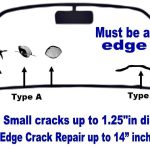
Cracks less than a quarter-inch long are generally considered small. However, even tiny cracks near the driver’s line of sight can affect safety and should be repaired promptly.
Location Matters
Cracks close to the edges of the windshield are more likely to spread and cause safety issues. If a crack is in the driver’s line of vision, it may require urgent repair to avoid impairing visibility.
Monitoring Small Cracks Over Time
Keep track of cracks to see if they grow. Mark their edges with a washable marker or take photographs for comparison. Regularly checking ensures timely repair before cracks worsen.
Creating a Crack Log
Maintain a simple chart or journal noting the date, size, and location of each crack. This helps you monitor the progression and decide when professional help is needed.
Signs of Crack Growth
Watch for cracks that extend or deepen over time. If a small crack begins to widen, it’s time to consult a professional for repair or replacement.
When to Seek Professional Inspection
If you’re unsure about the severity of a crack or if it seems to be growing, it’s best to have a professional evaluate your windshield. Experts can often detect damage beyond what is visible to the untrained eye.
Indicators for Professional Help
Cracks that are near the edges, in the driver’s view, or larger than a quarter inch should be checked by a specialist. Prompt professional inspection can save money and ensure safety.
Benefits of Professional Detection
Professionals use advanced tools like ultrasonic scanners, laser measurement devices, and expert expertise to thoroughly assess your windshield’s condition. This can help determine whether repair is sufficient or if replacement is necessary.

Similar Posts