How To Dispose Of Laminated Glass Waste Safely And Properly
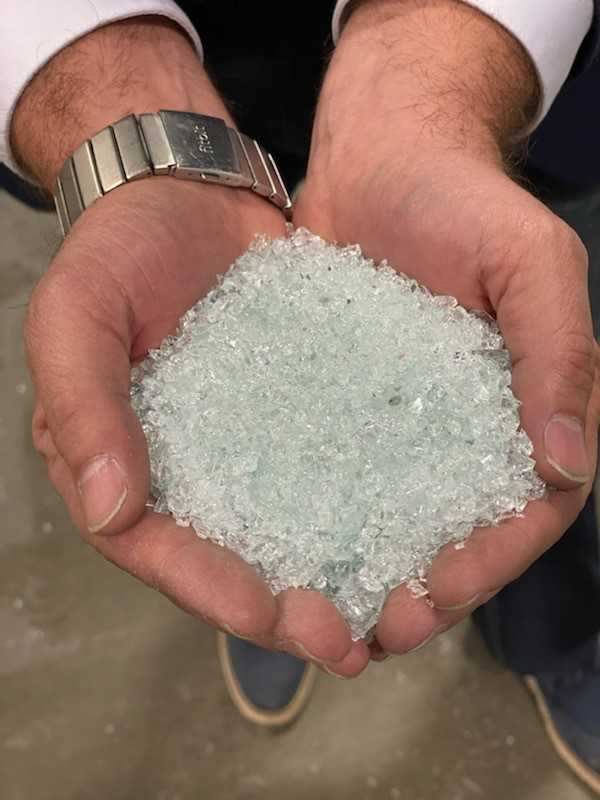
To dispose of laminated glass waste safely and responsibly, you should contact local recycling facilities that accept glass or arrange for specialized disposal services. Avoid throwing it in regular trash, as its layered structure makes it difficult to recycle through standard methods. Proper disposal ensures environmental safety and compliance with waste regulations.
Laminated glass is a durable, layered material often used in car windshields and building windows, making it tricky to dispose of properly. Instead of tossing it in the trash, it’s best to seek out recycling centers that handle tempered or laminated glass or hire professional disposal services. Doing so protects the environment and helps recover valuable materials. Knowing how to handle this specific type of waste can save time and prevent potential hazards.
Getting rid of laminated glass waste might seem complicated, but with a few simple steps, you can do it responsibly. Whether you’re a homeowner, contractor, or business owner, understanding the right disposal methods is essential. Laminated glass isn’t like regular trash; it requires special handling due to its layered composition. The key is to identify recycling options or contact waste management services equipped to manage such materials, ensuring safety for both people and the planet.

How to Dispose of Laminated Glass Waste
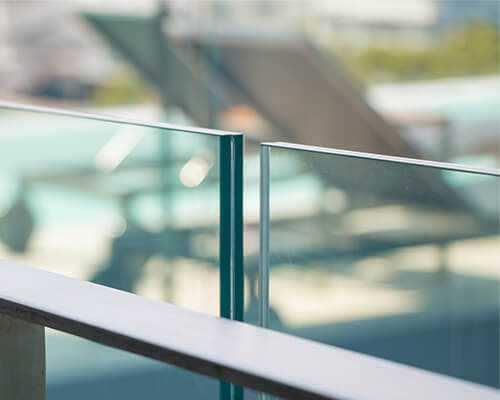
Laminated glass is commonly used in windows, windshields, and decorative panels because of its durability and safety features. Proper disposal of laminated glass waste is essential to protect the environment and ensure safety. In this guide, you’ll find detailed steps on how to handle and dispose of laminated glass responsibly.
Understanding Laminated Glass Composition
Laminated glass consists of two or more layers of glass bonded together with a plastic interlayer, usually polyvinyl butyral (PVB). This interlayer makes the glass more resistant to shattering and adds safety. Knowing its composition helps determine the appropriate disposal methods.
Why Proper Disposal Matters
Disposing of laminated glass improperly can lead to safety hazards, environmental pollution, and legal issues. Glass shards can cause injuries, and plastic components may contaminate waste streams. Proper disposal ensures safety for everyone and helps protect the environment.
Segregating Laminated Glass Waste
The first step in disposal is to separate laminated glass from other waste. Do not mix it with regular trash or recyclable materials. Proper segregation makes recycling easier and safer.
Assessing the State of the Laminated Glass
If the laminated glass is intact and undamaged, it may be suitable for recycling. However, broken or shattered laminated glass requires special handling to prevent injury. Always wear protective gloves and eye protection when handling shattered glass.
Disposing of Intact Laminated Glass
Recycling Options for Laminated Glass
Many recycling centers accept laminated glass because it contains both glass and plastic layers. Contact local recycling facilities to verify if they accept laminated glass. Preparing the glass for recycling involves cleaning and removing any debris or dirt.
Preparing Laminated Glass for Recycling
- Carefully clean the glass surface to remove dirt, dust, and contaminants.
- Use protective gloves to prevent cuts from sharp edges.
- Transport the glass to the recycling center in sturdy, labelled containers.
Transportation Tips
- Wrap large pieces in cardboard or bubble wrap for safety.
- Secure the load to prevent movement during transit.
- Follow your local waste management guidelines for handling bulky or heavy materials.
Disposing of Broken or Shattered Laminated Glass
Safety First
Always wear heavy gloves, long sleeves, and eye protection to avoid injury. Carefully gather broken pieces using tools like brooms and dustpans rather than bare hands.
Packaging for Disposal
Place broken laminated glass in thick, puncture-resistant containers or sturdy cardboard boxes. Clearly label the packaging as “broken glass” to alert waste handlers.
Local Disposal Regulations
Check with your local waste management authority for guidelines on hazardous waste disposal. Some areas may require special pickups for broken glass or have designated disposal sites.
Special Disposal Methods for Laminated Glass
Utilizing Professional Waste Disposal Services
If you have large quantities of laminated glass waste from construction or demolition projects, consider hiring licensed waste disposal companies. They have the equipment and permits needed to handle bulky or hazardous materials safely.
Recycling Facilities Offering Laminated Glass Processing
Some advanced recycling facilities can separate the plastic interlayer from the glass and repurpose both components. Contact these facilities for guidance on dropping off or mailing your laminated glass waste.
Environmental Considerations
Recycling laminated glass reduces landfill waste and conserves natural resources. It also prevents plastic and glass debris from polluting ecosystems. Always explore recycling options before opting for landfilling.
Innovative Recycling Technologies
Recent advances allow for better recovery of materials from laminated glass. Techniques like thermal separation and chemical processing can reclaim glass and plastic for reuse. Supporting such initiatives helps promote sustainable waste management practices.
Repurposing Laminated Glass Waste
In some cases, broken laminated glass can be repurposed for artistic projects or construction materials. Cleaned and processed glass pieces can be used for mosaics or decorative surfaces, giving waste a second life.
Preparing for Disposal: Best Practices
- Always wear personal protective equipment while handling laminated glass.
- Use proper tools like glass cutters or pliers for safer handling.
- Keep unbroken and broken glass separate to streamline disposal procedures.
- Label containers clearly to inform waste handlers about the contents.
Legal and Safety Regulations
Familiarize yourself with local laws regarding glass waste disposal. Some regions require special permits or adherence to safety standards for handling laminated glass waste. Staying compliant prevents legal issues and promotes safety.
Tips for Businesses and Contractors
Construction companies and contractors should establish clear protocols for laminated glass disposal. Providing staff training and investing in specialized containers helps manage waste efficiently. Regularly coordinate with recycling vendors to stay updated on disposal options.
Disposing of laminated glass waste properly protects both the environment and public safety. Whether recycling intact panes, safely disposing of shattered pieces, or exploring repurposing ideas, taking responsible steps ensures minimal ecological impact. Always seek local guidelines and professional services when needed to handle laminated glass waste correctly.
How to Recycle Laminated Glass: Windshield & Building Glass Separation Machine
Frequently Asked Questions
What are the safest methods for handling laminated glass waste during disposal?
When disposing of laminated glass waste, always wear protective gear such as gloves and safety goggles to prevent injuries. Carefully collect the broken or discarded glass using tools like tongs or brushes to avoid direct contact. Place the waste in sturdy, puncture-resistant containers or designated glass disposal bins to prevent accidents and contain any shards. Follow local regulations to ensure safe handling and transportation of the waste, minimizing risks to yourself and the environment.
How can laminated glass waste be recycled effectively?
To recycle laminated glass, separate the glass layers and remove any plastic interlayers if possible. Contact specialized recycling centers that accept laminated glass, as they have the equipment to process it properly. Some facilities can crush the glass into cullet for use in new glass products, while others may reprocess the plastic components separately. Always consult with recycling providers beforehand to confirm their acceptance criteria and ensure the waste is prepared correctly for recycling.
Are there environmentally friendly options for disposing of laminated glass waste?
Yes, environmentally friendly disposal options include recycling laminated glass through certified facilities or repurposing intact or manageable pieces for artistic or construction projects. Avoid sending laminated glass to landfills whenever possible, as it can take a long time to decompose and may pose environmental hazards. Consider working with local waste management services that promote sustainable practices and can guide you on certified disposal methods that minimize environmental impact.

Similar Posts