How To Remove Tar From Windshield Effectively
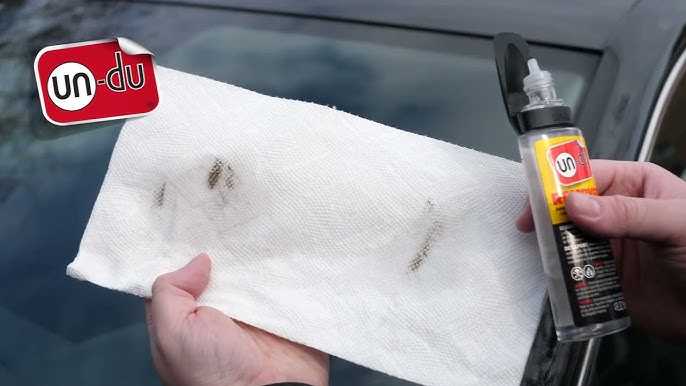
To quickly remove tar from your windshield, start by applying a small amount of mineral spirits or rubbing alcohol onto a soft cloth and gently wiping the affected area. Finish by rinsing with water and using a clean microfiber cloth to buff the glass clean. This method breaks down the tar and lifts it away without damaging your windshield.
Removing tar from a windshield can seem like a daunting task, especially when those stubborn spots refuse to budge. Fortunately, with a few simple household items and a bit of patience, you can restore clarity to your glass without hassle. Tar often comes from road construction, sticky residue from bug splats, or accidental splashes from vehicle maintenance—making it a common nuisance for drivers. The key is to use the right approach that dissolves the sticky substance without scratching the glass or using harsh chemicals. This guide will walk you through effective techniques, so you can keep your windshield spotless and driving safety high.

How to Remove Tar from Windshield
Removing tar from your windshield can seem tricky, but with the right methods, you can get your glass clean and clear again. Tar, especially from roads or construction sites, can stick stubbornly and become a challenge to remove. Fortunately, there are several proven techniques to tackle this problem effectively. In this section, we’ll explore step-by-step solutions that are safe for your windshield and easy to follow.
Understanding Why Tar Sticks to Windshields
Tar is a sticky, black substance that often comes from asphalt, roadwork, or vehicle exhaust. It tends to stick to surfaces like glass because of its adhesive properties. Windshields are particularly vulnerable because of their large, flat surfaces exposed to the elements. The more you drive in areas with fresh asphalt or sticky residue, the more likely you are to find tar on your windshield.
Preparing Your Vehicle for Tar Removal
Before starting, gather all necessary supplies to make the process smooth. Wear gloves to protect your skin, and ensure your vehicle is parked in a shaded area to prevent cleaning solutions from drying too quickly. Make sure the windshield is cool to prevent any cracking or streaking during cleaning.
Tools and Materials Needed for Tar Removal
To effectively remove tar from your windshield, you’ll need the following items:
- Plastic scraper or credit card
- Automotive glass cleaner
- Tar remover or household products like WD-40 or rubbing alcohol
- Soft microfiber cloths
- Spray bottle
- Warm water and mild soap
- Protective gloves and goggles
Having these ready saves time and ensures a safer cleaning process.
Step-by-Step Guide to Remove Tar from Windshield
Follow these simple steps for best results:
- Start by spraying the windshield with warm water and mild soap to loosen the tar.
- Gently scrub the surface with a microfiber cloth to remove loose grime.
- If tar remains, apply a tar remover or household product like WD-40 directly onto the affected areas.
- Let the product sit for about 5-10 minutes to soften the tar.
- Use a plastic scraper or credit card to gently lift off the softened tar without scratching the glass.
- Wipe the area with a clean microfiber cloth to remove residue.
- Finally, clean the windshield with automotive glass cleaner for a streak-free finish.
Repeat the process if necessary, especially for stubborn deposits.
Alternative Household Solutions for Tar Removal
If commercial tar removers are unavailable, several household products can work well:
Rubbing Alcohol or Isopropyl Alcohol
These contain solvents that dissolve tar effectively. Apply a small amount to a cloth and rub gently until the tar lifts.
Vegetable Oil or Olive Oil
These oils can loosen tar; apply with a soft cloth and let sit briefly before wiping away.
Baking Soda Paste
Mix baking soda with a little water to create a paste. Gently scrub the tar-stained areas with this mixture, then rinse thoroughly.
Preventing Future Tar Stains on Windshields
Prevention is better than cure. Try these tips to reduce tar buildup:
- Avoid driving in freshly paved or tar-covered roads whenever possible.
- Wash your windshield regularly, especially after trips on highways or construction zones.
- Use a high-quality wax or sealant on your windshield to create a protective barrier.
Regular maintenance helps keep your windshield clear and reduces the effort needed for cleaning.
Additional Tips for Stubborn Tar Stains
Sometimes, tar can be overly stubborn, requiring extra care:
- Use a clay bar designed for automotive glass to gently lift off remaining residues.
- Avoid aggressive scrubbing that could scratch or damage the glass surface.
- If tar is located near the edges or hard-to-reach spots, consider using a toothpick or soft brush for precision cleaning.
Patience and gentle techniques are key to avoiding damage.
Safety Tips During Tar Removal
Always prioritize safety when handling cleaning chemicals:
- Wear gloves to prevent skin irritation from solvents.
- Use goggles if spraying or applying liquids near your face.
- Work in well-ventilated areas to avoid inhaling fumes from chemical products.
Proper safety precautions make the cleaning process safer and more effective.
Dealing with Residue After Tar Removal
Post-cleaning, some residue may remain. To ensure a spotless windshield:
- Spray automotive glass cleaner and wipe with a microfiber cloth.
- Use a squeegee for large sections to remove streaks and water spots.
- Check for streaks or spots and repeat cleaning if needed.
A clear, streak-free windshield improves visibility and safety while driving.
When to Seek Professional Help
If tar has deeply bonded or if cleaning efforts damage your windshield, consult a professional. Auto detailing specialists have industrial-grade cleaning tools and expertise. They can remove stubborn stains safely without risking scratches or cracks.
Summary of Best Practices for Tar Removal
To sum up, the most effective methods involve:
- Softening tar with household products or commercial removers.
- Using gentle scraping tools to lift residues.
- Cleaning thoroughly with glass-specific products afterward.
Following these steps ensures your windshield remains clear, safe, and visually appealing.

Similar Posts