How To Replace Windshield Washer Filter For Easy Maintenance
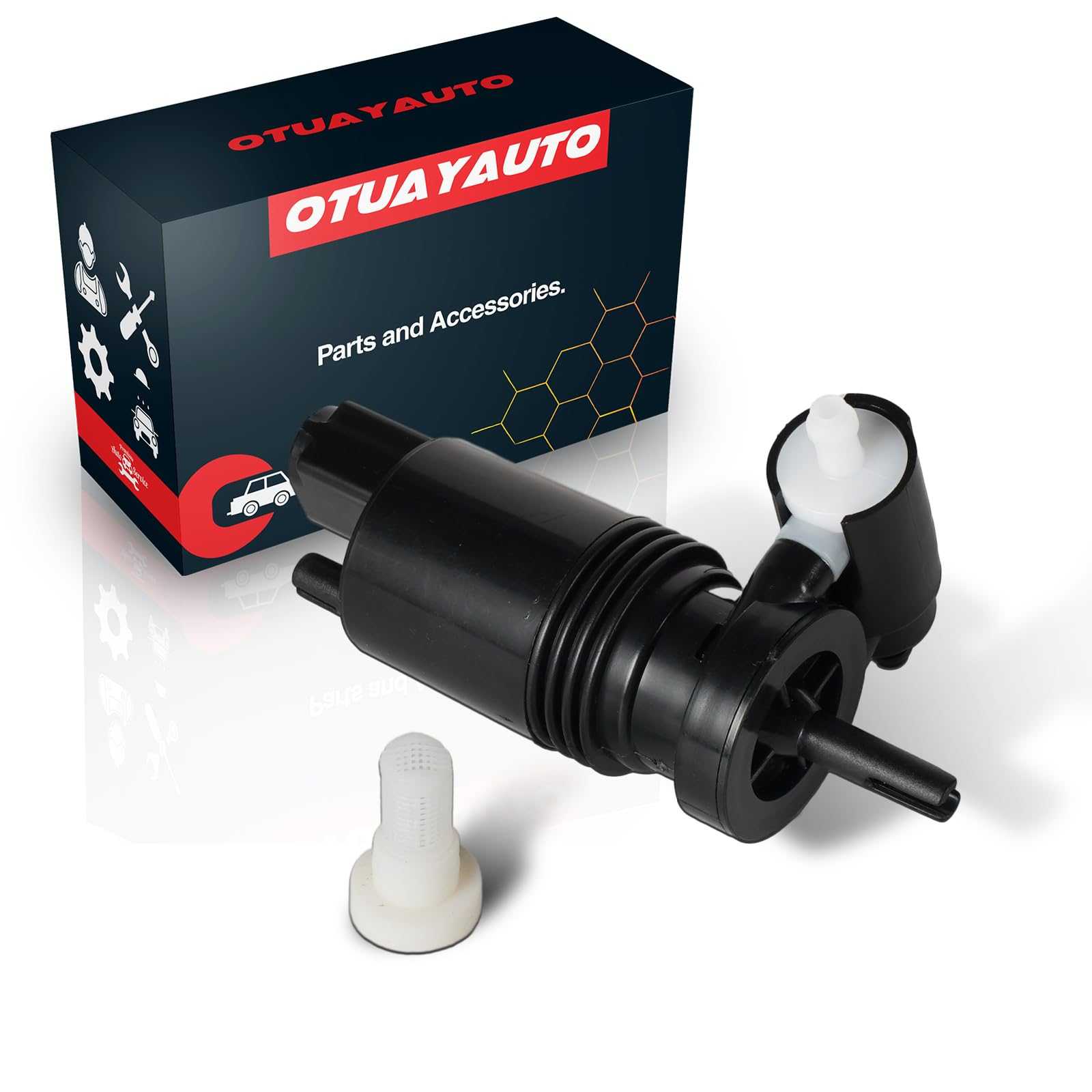
To replace your windshield washer filter quickly, locate the filter in your vehicle’s washer fluid reservoir, disconnect it carefully, and install a new one in its place. Remember to test the system afterward to ensure it’s working correctly.
Replacing a windshield washer filter might seem tricky, but it’s actually a straightforward task anyone can handle with a few simple steps. Over time, debris and dirt can clog the filter, reducing the effectiveness of your washer system, especially during those muddy or snowy days. The good news is that you don’t need special tools—just a new filter and a little patience. In this guide, we’ll walk you through the easy process of finding, removing, and replacing your windshield washer filter, ensuring clear visibility whenever you’re on the road. Keep reading and get your windshield cleaning system back in top shape in no time!

How to Replace Windshield Washer Filter
Replacing the windshield washer filter is an important step to keep your vehicle’s cleaning system working properly. A clean filter ensures your windshield gets clear water and cleaning fluid without any blockages. In this guide, you’ll learn how to replace the filter quickly and easily, even if you’re a beginner.
Understanding the Windshield Washer System
The windshield washer system is made up of several parts, including the water reservoir, pump, hoses, nozzles, and the washer filter. The filter is positioned inside the fluid reservoir or inline in the hoses to trap dirt, debris, and particles. Keeping this filter clean helps prevent clogs and maintains optimal spray performance.
Signs That You Need to Replace the Filter
Knowing when to replace your windshield washer filter is key to maintaining clear visibility. Some signs include:
- Reduced water flow from the nozzles
- Clogged or blocked spray patterns
- Dirty or cloudy water coming from the nozzles
- Frequent hose blockages
- Unusual noises from the washer pump
Tools and Materials Needed for Replacement
Gathering the right tools makes the process smoother. Here’s what you’ll need:
- New windshield washer filter
- Screwdrivers (Philips and flat-head)
- Pliers
- Container for draining fluid
- Clean cloth or rag
- Gloves (optional)
Step-by-Step Guide to Replace the Windshield Washer Filter
Step 1: Prepare Your Vehicle
Park your car on a flat surface and turn off the engine. Open the hood and locate the windshield washer reservoir. Wear gloves if desired to keep your hands clean.
Step 2: Drain the Washer Fluid
Remove the cap from the reservoir and use a container to drain the washer fluid. This prevents spillage and makes the filter removal easier.
Step 3: Access the Filter
The filter is usually located inside the reservoir or inline along the hose. To reach it, you may need to remove the reservoir cover or hoses.
Carefully detach the reservoir or hose connectors using pliers or screwdrivers. Be gentle to avoid damaging parts.
Step 4: Remove the Old Filter
Once accessible, extract the filter from its housing. It may be a small mesh or cartridge type. Inspect it for dirt, debris, or damage.
If it’s clogged or damaged, it’s time to replace it with a new filter.
Step 5: Install the New Filter
Place the new filter into the same position as the old one. Ensure it fits securely and properly aligned.
Reattach any hoses or reservoir covers that were removed earlier.
Step 6: Refill the Washer Fluid
Fill the reservoir with clean windshield washer fluid, avoiding overfilling. Replace the cap tightly.
Step 7: Test the System
Start your vehicle and activate the windshield washer to check for proper spray and flow. Make sure the new filter is working efficiently.
Additional Tips for Maintaining Your Windshield Washer System
- Regularly inspect the filter: Check for dirt and debris every few months.
- Use quality washer fluid: Prevents clogging caused by dirt and evaporation.
- Flush the system periodically: Clean out old fluid and debris to keep the system healthy.
- Check hoses and nozzles: Make sure they are free of cracks or blockages.
Common Problems and How to Troubleshoot
Clogged Nozzles
If the spray pattern is uneven or weak, check the nozzles for debris. Use a pin or needle to clear blockages.
Leaking Reservoir
Look for cracks or loose fittings in the reservoir. Replace if necessary to prevent fluid loss and dirt entry.
Pump Failure
If no fluid is coming out at all, the pump could be faulty. Test it by activating the system; replace if broken.
Choosing the Right Windshield Washer Filter
Make sure to select a filter compatible with your vehicle’s model. Refer to your vehicle owner’s manual or consult with an auto parts specialist.
Opt for high-quality filters to ensure durability and better filtration, which helps maintain a clear windshield.
Benefits of Regularly Replacing the Windshield Washer Filter
Replacing the filter regularly extends the life of your washer system. It improves spray quality and prevents costly repairs.
Clean filters ensure a clear view during bad weather, increasing driving safety and comfort.
Additional Related Topics
How to Clean Your Windshield Washer Nozzles
Using a pin or needle, gently clear any dirt or debris blocking the nozzle tips for a better spray pattern.

Similar Posts