Is Glass Cleaner Bad For Car Paint: What You Need To Know
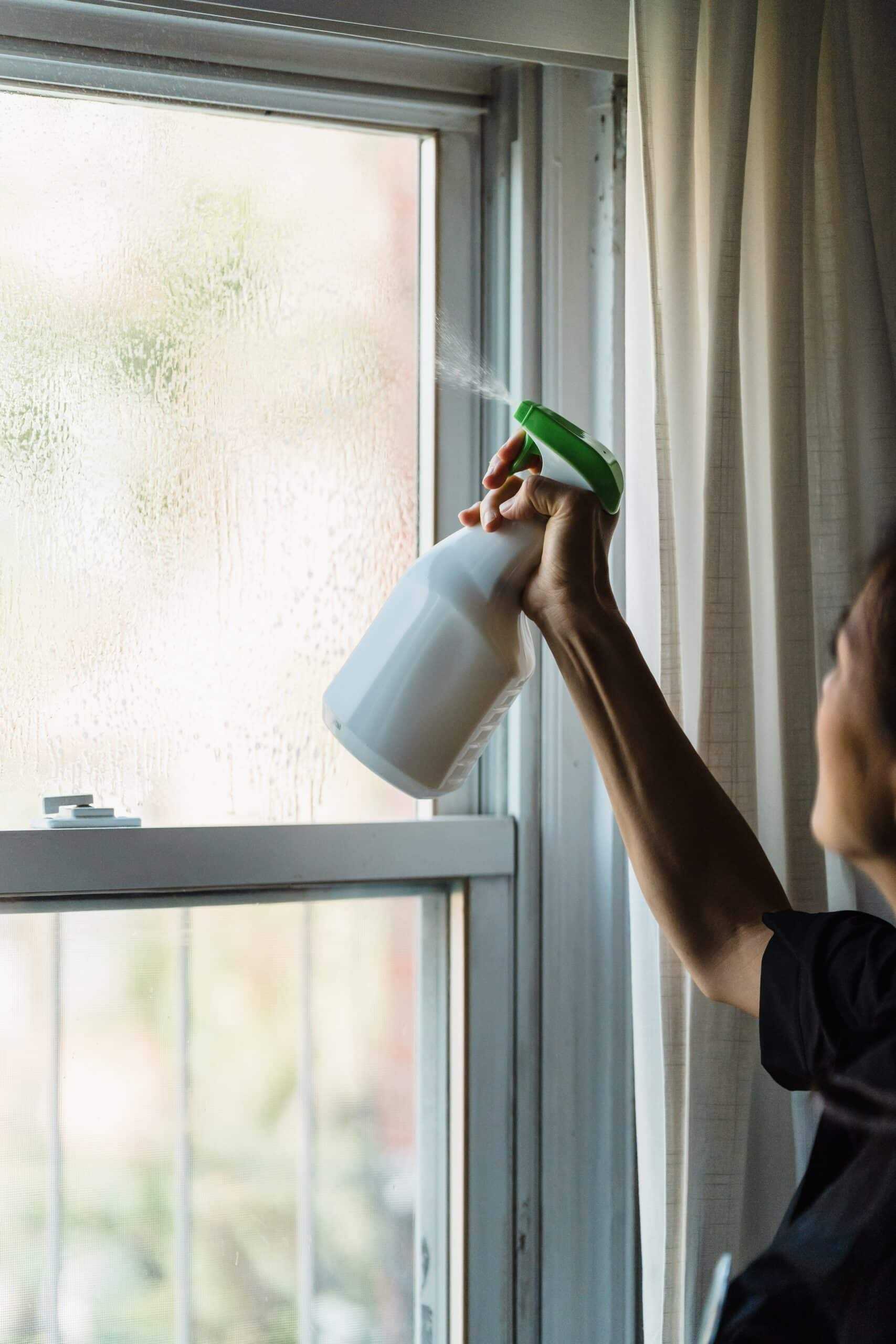
No, glass cleaner is generally not bad for car paint when used properly. However, some glass cleaners contain harsh chemicals that can damage the paint if applied directly or used excessively. It’s important to choose the right product and use it correctly to protect your car’s finish.
Using a typical glass cleaner on your car’s paint isn’t usually problematic if it’s designed specifically for automotive use. The key is to avoid cleaners with ammonia or other aggressive solvents that can strip away wax or damage the paint’s clear coat. Proper application and selecting gentle, automotive-specific glass cleaners can help keep your car looking great without risking harm to the paintwork.
If you’re concerned about keeping your car’s paint pristine, it’s worth understanding how everyday cleaning products interact with your vehicle’s surface. Many drivers mistakenly use household glass cleaners on their cars, unaware that these products may contain ingredients harmful to automotive paint. By choosing the right cleaning solutions and applying them carefully, you can ensure your car remains spotless without risking damage to its finish. Proper maintenance and cleaning habits are essential for preserving the car’s appearance and value over time.

Is Glass Cleaner Bad for Car Paint? A Detailed Look
Understanding the Composition of Glass Cleaners
Glass cleaners typically contain a mix of chemicals designed to remove dirt and streaks from windows. Common ingredients include ammonia, alcohol, and various surfactants. While these ingredients are effective for glass, their effects on car paint can vary. Knowing what’s inside helps determine whether using these cleaners on a car’s surface is safe or risky.
Why Do People Use Glass Cleaner on Cars?
Many car owners use glass cleaner to quickly remove dirt or smudges from their vehicle’s exterior. It’s an easy and fast solution for cleaning windows, mirrors, and sometimes even painted surfaces. The convenience makes it appealing, but it’s important to understand if this habit could damage the paint.
Potential Risks of Using Glass Cleaner on Car Paint
Although glass cleaner can seem harmless, it might pose risks to your car’s paint. Some ingredients like ammonia can strip or dull the finish over time. Continuous or improper use on painted surfaces can lead to a loss of gloss or even minor damage to the clear coat.
Impact of Ammonia on Paint
Ammonia, present in many glass cleaners, can be harsh on car paint. It can break down the protective clear coat that covers the paint, leading to dullness or cracking. Regular exposure might accelerate paint aging and cause unsightly damage.
Alcohol and Its Effects
The alcohol in some glass cleaners can dry out the paint’s surface. This dryness reduces the paint’s ability to resist UV rays and environmental pollutants. Over time, this can cause paint to fade or develop tiny cracks.
Surfactants and Their Role
Surfactants help remove dirt but can also strip wax coatings. If your car is regularly cleaned with glass cleaner, it may remove the protective layer of wax, exposing the paint to damage from road salt, dirt, and sunlight.
How to Safely Clean Car Windows and Surfaces
To keep your car’s paint healthy, consider using dedicated automotive glass cleaners designed for vehicle surfaces. These products are formulated to be gentle on paint and coatings.
Choosing the Right Products
Always opt for cleaners labeled as safe for automotive finishes. Look for products that specify they are safe for painted surfaces and do not contain ammonia or harsh chemicals.
Proper Cleaning Techniques
Use a soft microfiber cloth and spray the cleaner lightly. Gently wipe the surface without applying excessive pressure. Rinse with clean water if needed and dry with a soft towel to prevent streaks.
Alternatives to Glass Cleaner for Car Windows and Paint
There are many safer options to keep your vehicle spotless without risking damage. Here are some recommended products and methods:
- Automotive-specific glass cleaners
- pH-balanced car shampoos
- Water and mild soap solutions
- Dedicated spray wax or ceramic coatings for protection
How Environmental Factors Affect Car Paint
Environmental elements such as UV rays, acid rain, and road salts can deteriorate paint over time. Proper cleaning and maintenance are essential to protect your car’s exterior.
Role of Protective Coatings
Using wax or ceramic coatings creates a barrier against harmful elements. These layers help preserve the shine and prevent chemicals in glass cleaners from damaging the paint.
Signs That Your Car’s Paint Is Being Damaged
Regular inspection can help catch early signs of paint damage. Look for dull patches, tiny cracks, or peeled clear coats. Addressing issues early can prevent costly repairs later.
What to Do if Damage Occurs
If you notice paint damage, consult a professional for assessment and possible refinishing. Avoid using harsh cleaners that can worsen the problem.
Summary: Is Glass Cleaner Bad for Car Paint?
In general, standard glass cleaner formulas, especially those containing ammonia or high levels of alcohol, can harm your car’s paint if used frequently or improperly. It’s better to stick with products specifically designed for automotive use, which are gentle and safe for your vehicle’s finish.
Final Advice for Car Owners
Always read label instructions before applying cleaning products. When in doubt, test a small area first or consult your car’s manufacturer recommendations. Proper cleaning habits help maintain the beauty and value of your vehicle over time.
Additional Tips for Keeping Your Car Looking Its Best
Regular washing with pH-balanced car shampoo, avoiding abrasive materials, and applying protective waxes can extend the life of your paint. Using products designed for automotive surfaces minimizes risks from accidental damage.
Related Topics to Explore
- Best car waxes and sealants for long-lasting protection
- How to properly wash your car at home
- The benefits of ceramic coatings for paint protection
- Common mistakes to avoid when cleaning your car
Maintaining your car’s paint involves choosing the right cleaning products and methods. While glass cleaner might seem like an easy option, it can cause long-term damage if used improperly. By understanding the potential risks and opting for suitable products, you can keep your vehicle shiny and protected for years to come.
Solving The Biggest Problems With Windows
Frequently Asked Questions
Can using glass cleaner on your car lead to paint damage over time?
Using glass cleaner occasionally on your car’s exterior typically does not cause paint damage. However, repeated or improper use of certain harsh glass cleaners can strip away wax coatings or cause minor abrasions, which may affect the paint’s appearance over time. It is best to choose a gentle, automotive-specific glass cleaner and follow proper cleaning techniques to protect your paint.
Are there ingredients in glass cleaners that harm car paint?
Some glass cleaners contain ammonia or alcohol-based solvents that can be harsh on car paint if applied directly or used excessively. These chemicals might remove protective coatings or cause the paint to dry out and become more susceptible to damage. Opt for ammonia-free, automotive-safe glass cleaners to minimize any risk to your vehicle’s paintwork.
How can I safely clean my car’s windows without risking damage to the paint?
To clean your car’s windows safely, use a glass cleaner specifically formulated for automotive use. Spray the cleaner onto a soft microfiber cloth first, instead of directly on the glass, to prevent overspray onto painted surfaces. Always wash and wax your car regularly to maintain paint protection, and avoid using abrasive scrubbing tools that might scratch the paint.

Similar Posts