Is Laminated Glass Better For Security: Key Benefits Explained

Yes, laminated glass is generally better for security. Its ability to hold together when shattered makes it a top choice for enhancing safety and preventing break-ins. While traditional glass breaks easily, laminated glass is designed to resist impact and keep intruders out, providing peace of mind.
Laminated glass offers a significant advantage over regular glass in terms of security. Its layered construction, with a clear plastic interlayer, prevents it from shattering into dangerous shards and makes it much harder for intruders to break through. This makes it ideal not only for protecting homes and offices but also for safeguarding valuable possessions. In today’s world, where security concerns are ever-growing, choosing laminated glass can be a proactive step toward creating safer environments. Whether for windows, doors, or storefronts, understanding its benefits can help you make smarter decisions about security upgrades.

Is Laminated Glass Better for Security?
Understanding Laminated Glass
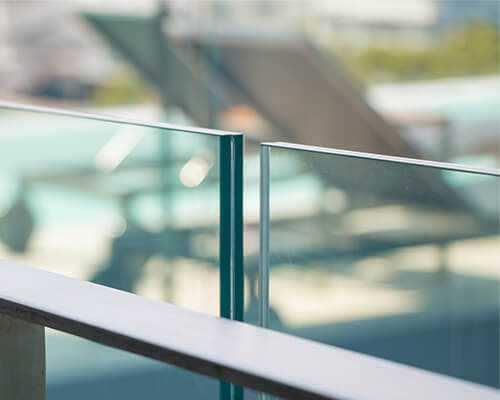
Laminated glass is made by layering glass sheets with a plastic interlayer, usually polyvinyl butyral (PVB). This construction creates a strong bond that holds the glass together even when broken. Unlike regular glass, laminated glass doesn’t shatter into sharp pieces, making it safer and more secure.
How Laminated Glass Enhances Security
Laminated glass provides a multilayered defense against break-ins and vandalism. The plastic layer acts as a barrier, resisting impacts and preventing intruders from easily breaking through. This makes laminated glass an excellent choice for windows and doors in security-sensitive areas.
Impact Resistance and Break-In Prevention
Laminated glass can withstand significant force without breaking. Its impact resistance helps prevent forced entries, as intruders find it challenging to shatter the glass quickly. For added security, laminated glass can also be combined with stronger frames and locks.
Breakage and Shatter Resistance
When subjected to force, laminated glass tends to crack but not disintegrate. The plastic layer holds the glass shards together, reducing the risk of injury from flying glass pieces. This property also deters burglars from attempting quick break-ins.
Comparison with Other Types of Security Glass
Different security glazing options include toughened glass, bulletproof glass, and polycarbonate panels. While toughened glass is resistant to impact and shattering, laminated glass offers superior security because it remains intact even after breaking. Bulletproof glass provides high-level protection but is more expensive and cumbersome to install.
Table 1: Key Features of Laminated Glass vs. Other Security Glass Types
| Feature | Laminated Glass | Toughened Glass | Bulletproof Glass |
|---|---|---|---|
| Impact Resistance | High | Moderate to High | Very High |
| Shatter Resistance | Excellent – stays intact | Breaks into small pieces | Almost unbreakable |
| Cost | Moderate | Lower to Moderate | Very High |
| Security Level | High | Moderate | Maximum |
The Role of Laminated Glass in Security Windows and Doors
Laminated glass enhances security for windows and doors by creating a formidable barrier against intrusions. It is often installed in high-risk locations such as banks, jewelry stores, and government buildings. The added resistance improves overall safety and peace of mind.
Benefits in Residential Security
For homes, laminated glass offers protection against break-ins, vandalism, and even accidents. It also provides better sound insulation and UV protection. These benefits make laminated glass a popular choice for homeowners seeking added security.
Benefits in Commercial Security
Businesses use laminated glass to protect valuable assets and ensure safety. Its robustness helps prevent smash-and-grab thefts and reduces the risk of injury caused by shattered glass. Many commercial buildings incorporate laminated glass in storefronts and skylights for extra security.
Additional Security Features with Laminated Glass
Laminated glass can be combined with other security features for enhanced protection. Examples include:
- Alarm systems integrated with glass break sensors
- Security films attached to existing glass
- Reinforced frames and locking mechanisms
Limitations of Laminated Glass in Security
While laminated glass offers many advantages, it does have some limitations. It is more expensive than standard glass and heavier, which might affect installation. It can also be vulnerable to certain types of forced entry if not combined with other security measures.
Security Considerations When Choosing Laminated Glass
For maximum security, consider:
- The thickness of the glass (typically 6mm to 12mm)
- The quality and type of the plastic interlayer
- The overall design and framing of the window or door
- Compatibility with alarm and security systems
Summary of Key Benefits
- Enhanced Impact Resistance: Stops intruders and prevents accidental breakage
- Shatter Resistance: Maintains integrity even after impact
- Safety: Reduces injury risks from flying glass shards
- Security: Deters forced entry and vandalism
- Additional Benefits: UV protection, sound insulation, and noise reduction
Additional Security Solutions for Improved Safety
To maximize security, laminated glass should be part of a comprehensive system. Strategies include installing security bars, alarms, and surveillance cameras. Regular maintenance and upgrades ensure consistent protection over time.
Cost-Effectiveness and Investment Value
Although laminated glass costs more initially, it offers savings by reducing damage and theft. Its durability results in fewer replacements and repairs. Over time, this high-performance glazing provides excellent value for both residential and commercial properties.
Overall, laminated glass proves to be a smart choice for those prioritizing security. Its ability to resist impacts, prevent shattering, and hold together under stress makes it a preferred material. When combined with other security measures, laminated glass significantly enhances safety and peace of mind.
Laminated Glass vs. Tempered Glass
Frequently Asked Questions
How does laminated glass prevent break-ins and unauthorized entry?
Laminated glass improves security by holding together when struck, preventing easy breakage. Its durable interlayer makes it difficult for intruders to penetrate, giving property owners more time to react and reducing the risk of forced entry.
In what ways does laminated glass contribute to overall building safety?
Laminated glass enhances safety by remaining intact after impact, reducing the chance of shards causing injuries. This quality is especially beneficial in areas prone to accidents or natural disasters, providing a safer environment for occupants.
Can laminated glass resist vandalism and deliberate attacks more effectively?
Yes, laminated glass offers heightened resistance against vandalism. Its strong construction withstands deliberate impacts and attempts at shattering, making it a reliable choice for high-risk locations that require enhanced security measures.
Does laminated glass offer any advantages in terms of privacy and concealment?
Laminated glass can incorporate tinted or opaque interlayers that enhance privacy. Its resistance to breakage also discourages attempted breaches, ensuring privacy remains intact even under aggressive circumstances.
How does the durability of laminated glass compare to other security options?
Laminated glass generally surpasses standard safety glass in durability. Its multi-layered design provides superior resistance against impacts and breakage, making it a practical long-term security solution for various settings.
Final Thoughts
Laminated glass offers enhanced security by holding shards together if broken, making it harder for intruders to penetrate. Its durability prevents quick break-ins, providing peace of mind.
In terms of safety, laminated glass minimizes injury from shattered pieces, protecting occupants. Its performance makes it a preferred choice for vulnerable areas.

Similar Posts