Is Laminated Glass Better For Soundproofing
Laminated glass is indeed better for soundproofing, offering superior noise reduction compared to standard glass. If you’re tired of noisy streets or bustling offices disrupting your peace, laminated glass could be the solution you’ve been searching for. It effectively dampens sound waves, making your space quieter and more comfortable. In simple terms, laminated glass is made of two or more glass layers bonded with a plastic interlayer, which absorbs and deflects sound. This feature makes it ideal for homes, offices, and even vehicles where silence is golden. The thicker and more layered the glass, the better its soundproofing capabilities. Whether you’re looking to block out city noise or create a peaceful environment, laminated glass stands out as a highly effective choice.

Is Laminated Glass Better for Soundproofing?
Understanding Laminated Glass and Its Composition
Laminated glass consists of two or more sheets of glass bonded together with an interlayer, usually made of polyvinyl butyral (PVB). This layered structure makes the glass more durable and less likely to shatter upon impact. The interlayer also plays a crucial role in improving soundproofing abilities.
Unlike regular annealed glass, laminated glass offers enhanced safety and sound insulation. The thick, layered design absorbs and dampens sound waves, making it a popular choice for noisy environments. This structure helps reduce noise transmission from outside to inside spaces effectively.
How Does Laminated Glass Conduct Sound?
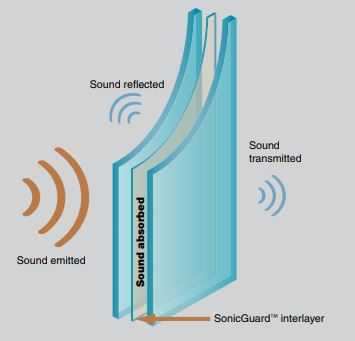
Sound travels in waves, and the way glass materials interact with these waves affects soundproofing. Laminated glass’s layered structure disrupts and slows down sound waves. When sound hits laminated glass, part of the energy gets absorbed by the interlayer.
The remaining sound waves are reflected or transmitted at a lower intensity. This process results in less noise passing through the glass, making laminated glass superior to standard glass for noise reduction. More layers and thicker interlayers generally mean better sound damping.
The Benefits of Laminated Glass for Soundproofing
- Enhanced Noise Reduction: Laminated glass significantly cuts down on outside noise, such as traffic, construction, or loud neighbors.
- Improved Acoustic Comfort: Less noise means a quieter and more comfortable indoor environment.
- Increased Privacy: Reduced sound transmission helps maintain privacy in busy areas or offices.
- Added Safety and Security: Laminated glass is harder to break, preventing accidents and intrusions while also reducing sound leakage.
Research shows laminated glass can reduce noise levels by up to 50% more than standard glass, depending on thickness and layering.
Comparing Laminated Glass to Other Soundproofing Methods
Standard Glass vs. Laminated Glass
While regular glass allows more noise to pass through, laminated glass’s design dampens sound waves. The difference becomes noticeable, especially at higher frequencies.
Double and Triple Glazed Windows
Double glazed windows contain two panes separated by an air or gas cavity, adding some sound insulation. Laminated glass can be combined with double or triple glazing for even better soundproofing. The combination is highly effective for urban and commercial settings.
Mass-Loaded Vinyl and Acoustic Panels
Other soundproofing materials like mass-loaded vinyl or acoustic panels also reduce noise. However, laminated glass provides a dual benefit: safety and soundproofing, often making it a better all-in-one solution.
Factors Impacting the Soundproofing Effectiveness of Laminated Glass
Thickness of Glass and Interlayer
Thicker glass and interlayers improve sound insulation. Typical laminated glass ranges from 6mm to 12mm in total thickness, with thicker options offering higher noise reduction.
Number of Layers
Adding more layers increases mass and damping capacity. For example, triple laminated glass offers superior soundproofing compared to double laminated glass.
Type of Interlayer
Different interlayers affect sound insulation differently. PVB interlayers are common, but alternative materials like ethylene-vinyl acetate (EVA) can provide different acoustic properties.
Installation and Frame Quality
Proper installation ensures minimal gaps and leaks that could compromise soundproofing. Using high-quality frames and seals enhances the overall noise reduction.
Longevity, Maintenance, and Cost
Laminated glass is durable and retains its soundproofing properties over time. Its maintenance primarily involves regular cleaning with glass-safe solutions.
Although initially more expensive than standard glass, laminated glass offers long-term benefits. Its durability reduces replacement costs, and the improved living or working environment adds value.
Applications of Laminated Glass for Soundproofing
Laminated glass applies broadly across different sectors:
- Residential Buildings: Reduces street noise, especially in city apartments and homes near busy roads.
- Commercial Spaces: Enhances privacy and reduces noise pollution in offices and conference rooms.
- Sound Studios and Auditoriums: Provides necessary acoustic isolation for professional recording or performance spaces.
- Hospitals and Medical Facilities: Ensures patient comfort by minimizing external noise interference.
Innovative Trends and Future Developments in Soundproof Laminated Glass
Emerging technologies focus on further enhancing the acoustic properties of laminated glass. Researchers explore new interlayer materials with superior damping qualities.
Smart laminated glass with adjustable acoustic properties is also under development, offering customizable noise control. These innovations promise even better soundproofing with improved safety and energy efficiency.
Choosing the Right Laminated Glass for Soundproofing Needs
When selecting laminated glass, consider the specific noise reduction requirements. Consult with manufacturers about the glass thickness, number of layers, and interlayer materials.
A professional assessment ensures optimal configuration, especially for challenging environments like noisy streets or industrial zones. Proper installation and maintenance are key to achieving maximum benefits.
Laminated glass offers a compelling solution for soundproofing due to its layered structure and damping capabilities. It effectively reduces noise transmission, enhances privacy, and adds safety features.
While it may cost more initially, the long-term benefits in comfort, safety, and durability make laminated glass a smart choice for those seeking better sound insulation. Its versatile applications across residential, commercial, and specialized spaces highlight its importance in modern building design.
Best Windows for Soundproofing Your Home | Dual Pane, Triple Pane, & Laminated Glass Explained
Frequently Asked Questions
How does laminated glass compare to other types of glass in reducing noise?
Laminated glass generally provides better noise reduction than standard float glass because the interlayer absorbs and dampens sound vibrations. The multiple layers in laminated glass help block a wider range of sound frequencies, resulting in a quieter indoor environment.

Similar Posts