Is Laminated Glass Noise Proof Benefits Explained
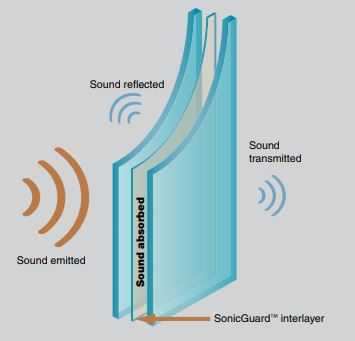
Laminated glass can significantly reduce noise, making your environment more peaceful. Yes, laminated glass is effective in dampening sound, though it’s not entirely noise-proof. Its layered structure absorbs and cushions sound waves, creating a quieter space, especially in noisy urban areas or near busy streets.
Laminated glass offers a practical solution for noise reduction, but the level of soundproofing depends on its thickness and construction. It’s a popular choice for those seeking to create a calmer environment without sacrificing natural light. While it doesn’t completely block out all noise, laminated glass can greatly improve acoustic comfort, making your home or office more serene and enjoyable.
Imagine opening a window or installing new glass and instantly feeling the difference in noise levels—that’s the power of laminated glass in action. This innovative material is becoming increasingly popular for windows, doors, and partitions, offering a balance between safety, security, and sound insulation. Whether you’re living near a bustling street or working in a noisy neighborhood, laminated glass can help create a more peaceful space.

Is Laminated Glass Noise Proof? An In-Depth Look
Understanding Laminated Glass and Its Composition
Laminated glass is made of two or more sheets of glass bonded together with a special plastic layer called polyvinyl butyral (PVB). This layer acts as a glue that holds the glass sheets tight. The construction of laminated glass makes it stronger and more resistant to breaking. It also plays an important role in reducing noise.
How Does Laminated Glass Reduce Noise?
Laminated glass works to decrease sound transmission through several mechanisms. The plastic layer dampens vibrations, which are the main way sound travels. When sound waves hit the laminated glass, part of the energy is absorbed, and part is reflected back. This reduces the amount of noise that passes through the glass into the room.
Soundproofing Features of Laminated Glass
Laminated glass is especially effective at noise reduction because of its layered design. The thickness of the glass and the PVB layer influence how much sound it blocks. Thicker laminates with multiple layers work better to reduce noise across a wide range of frequencies.
Key Advantages of Laminated Glass for Noise Reduction
- It significantly cuts down on airborne sound transmission.
- The plastic layer helps dampen vibrations caused by noise.
- It provides a more peaceful environment inside noisy areas.
- It maintains transparency and security while adding noise-proofing benefits.
Comparing Laminated Glass to Other Types of Glass
While regular float glass allows more noise to pass through, laminated glass offers superior noise reduction. Double-glazed windows also improve soundproofing, but laminated glass adds an extra layer of noise dampening. Combining laminated glass with double glazing can lead to even better sound insulation.
How Does Laminated Glass Measure Up in Different Noise Environments?
In urban settings with traffic noise, laminated glass can reduce sound levels by as much as 30 to 40 decibels. This is a noticeable difference that can make living or working near busy streets much more comfortable. In quieter areas, laminated glass still helps block out sporadic noise, providing a calmer atmosphere.
Limitations of Laminated Glass for Noise Proofing
Even though laminated glass reduces noise, it is not entirely soundproof. External noises like loud machinery or aircraft may still be heard, especially if the glass is not designed specifically for soundproofing. Its effectiveness depends on factors such as thickness, installation quality, and the environment.
Factors That Influence Noise Reduction
- Glass thickness: Thicker glass generally offers better soundproofing.
- Number of layers: Multiple layers can improve noise reduction.
- Spacing between panes: Larger gaps can enhance soundproofing but may affect insulation.
- Type of plastic layer: Thicker or specialized plastics can absorb more sound.
Additional Benefits of Laminated Glass Beyond Noise Proofing
Laminated glass is appreciated not just for noise reduction but also for its safety features. It holds together if broken, reducing the risk of injury and preventing intruders from entering easily. Its UV filtering capabilities also protect interiors from sun damage.
Safety and Security Benefits
Laminated glass resists shattering into sharp pieces, making it a popular choice for windows in homes and commercial buildings. It also acts as a barrier against forced entry, providing added security.
Design Considerations for Installing Laminated Glass for Noise Reduction
Proper installation is crucial to maximize noise-proofing benefits. Ensuring a tight seal around the glass prevents sound leaks. Using high-quality frames and sealing materials further enhances noise reduction.
Best Practices for Installation
- Choose thick laminated glass designed for soundproofing.
- Use high-quality sealing materials to prevent gaps.
- Maintain proper fitting and alignment of the window or door frames.
- Combine laminated glass with other soundproofing methods for optimal results.
Related Topics to Consider
Beyond noise reduction, laminated glass improves thermal insulation, making buildings more energy-efficient. It can also block harmful UV rays, protecting interior furnishings.
Laminated glass offers a significant advantage in reducing noise levels inside buildings. While it isn’t entirely soundproof, its layered construction dampens vibrations and blocks a large portion of airborne sounds. Combining laminated glass with other soundproofing measures can create a quieter and more comfortable living or working space. Its added safety benefits, durability, and design flexibility make it a popular choice for those seeking both noise reduction and security. Whether installing new windows or upgrading existing ones, laminated glass provides an effective solution for improving acoustic comfort.
Best Windows for Soundproofing Your Home | Dual Pane, Triple Pane, & Laminated Glass Explained
Frequently Asked Questions
Can laminated glass significantly reduce noise from busy streets?
Yes, laminated glass can effectively lower the amount of sound that passes through windows, especially from external sources like busy streets. The laminated layers work to absorb and block sound vibrations, making interiors quieter and more comfortable.
Does the thickness of laminated glass affect its noise reduction capabilities?
Absolutely. Thicker laminated glass panels tend to offer better noise insulation because they provide a greater barrier for sound waves. The increased mass helps to dampen sound transmission, leading to a quieter environment inside.
Are there additional features to consider for enhanced noise proofing with laminated glass?
Yes, combining laminated glass with other soundproofing materials, such as specialized frames or seals, can improve its effectiveness. Proper installation also plays a crucial role in maximizing noise reduction properties.
Final Thoughts
Laminated glass can significantly reduce noise but is not entirely noise proof. Its layered structure absorbs and dampens sound vibrations, providing a quieter environment.
However, the level of noise reduction depends on the thickness and type of laminate used.
In conclusion, is laminated glass noise proof? Not completely, but it offers excellent noise insulation benefits that make spaces more comfortable.

Similar Posts