Can Laminated Glass Shatter: Facts You Need To Know
Senior Automotive Glass Diagnostic Specialist & Master Technician at CarGlassFix · AGSC Master Certified Auto Glass Technician, NGA Certified Installer, I-CAR Automotive Safety Specialist · 12+ Years in Automotive Glazing, Windshield Structural Bonding, ADAS Camera Calibration & Precision Chip Restoration
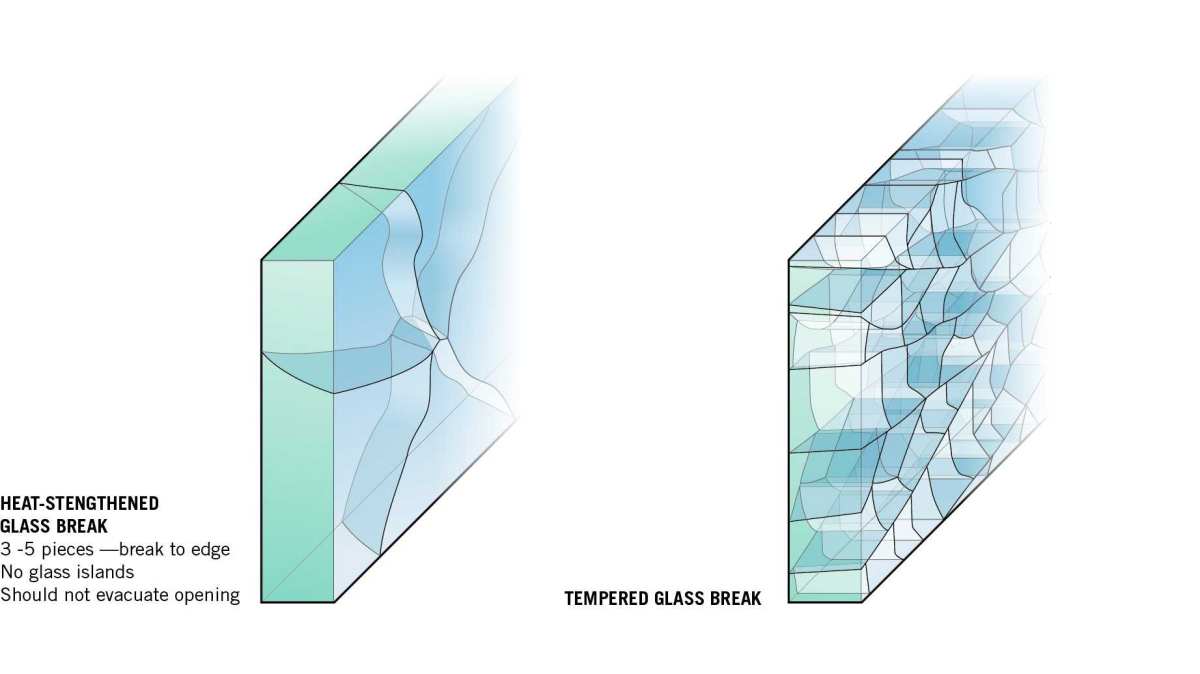
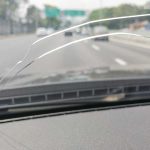
Laminated glass can indeed shatter, but it’s designed to hold together even when broken, making it safer than regular glass. If impacted strongly enough, it can crack or break completely, but it typically won’t shatter into dangerous shards due to the plastic interlayer. Overall, laminated glass offers a high level of safety while still being susceptible to damage under extreme force.
Laminated glass can shatter, but it is less likely to do so spectacularly compared to traditional glass because the plastic layers hold the shards in place. It’s engineered to improve safety and security, yet under enough stress or impact, breakage is possible. Understanding its behavior helps in choosing the right glass for different applications, especially where safety is a priority.
When considering whether laminated glass can shatter, it’s essential to recognize that while it is designed to resist shattering and contain fragments, it’s not completely unbreakable. It’s often used in car windshields, skylights, and glass doors precisely because of its durability and safety features. Still, like any material, it’s vulnerable to high-impact forces and can crack or break, which is why proper installation and handling are crucial to maintaining its integrity and safety benefits.

Can Laminated Glass Shatter? Exploring the Truth About Its Strength and Safety
Understanding Laminated Glass and Its Composition
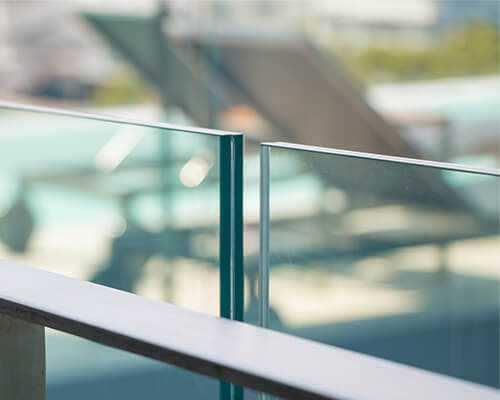
Laminated glass is made of two or more sheets of glass bonded together with a durable plastic layer, usually polyvinyl butyral (PVB). This plastic layer keeps the glass sheets connected even if the glass cracks. The main goal is to improve safety by preventing shards from flying everywhere when broken. Unlike regular glass, laminated glass offers better resistance to impact and shattering.
Why Is Laminated Glass Often Used in Safety Applications?
Because of its unique structure, laminated glass is common in car windshields, skylights, and storefronts. It helps protect passengers during accidents by holding broken glass in place. Lawmakers also favor laminated glass for security reasons, as it can withstand attempts at forced entry and vandalism. Its ability to resist shattering enhances safety in many different settings.
Can Laminated Glass Actually Shatter? What Happens When It Breaks?
Even though laminated glass is designed to resist shattering, it is not completely unbreakable. When enough force is applied, it can crack or break. The plastic layer holds the glass pieces together, but this does not mean the glass remains intact. Cracks can spread quickly, and the glass can eventually break apart under sufficient force.
What Causes Laminated Glass to Break?
Several factors can cause laminated glass to shatter or crack, including:
- Severe impact from a heavy object
- Extreme temperature changes
- Structural stress and fatigue over time
- Manufacturing defects or damage
Even small cracks can weaken the glass and increase the risk of complete shattering.
Differences Between Shattering and Cracking in Laminated Glass
Cracks are tiny fractures that typically stay localized, while shattering means the glass breaks into multiple pieces. Laminated glass usually resists full shattering, but cracks can evolve into shattering if the damage becomes severe. The plastic layer’s role is crucial in preventing the glass from breaking into dangerous shards, but it cannot completely prevent shattering under extreme impact.
How Does Laminated Glass Respond to Impact?
When hit with a force, laminated glass often absorbs much of the impact. Small impacts may leave superficial cracks or no damage at all. Larger impacts, like a baseball or a tool, may cause the glass to crack extensively. Ultimately, whether it shatters depends on the strength of the impact and the condition of the glass.
Impact Resistance Factors
The ability of laminated glass to withstand impact depends on:
- Thickness of glass layers
- Type of plastic interlayer used
- Quality of manufacturing
- Age and condition of the glass
Thicker glass with high-quality interlayers provides better resistance against shattering.
Can Laminated Glass Shatter Due to Temperature Changes?
Extreme temperature fluctuations can weaken laminated glass over time. Sudden heating or cooling may cause internal stresses that lead to cracks. In cold environments, the glass becomes more brittle, and in hot conditions, the plastic layer may soften. Both scenarios increase the risk of cracking or shattering.
Thermal Stress Effects
Rapid temperature changes can cause the glass to expand or contract unevenly. This uneven stress can create hairline cracks that may eventually lead to shattering if unnoticed. Proper installation and thermal insulation help mitigate these risks.
Environmental and External Factors Affecting Shattering
Environmental elements like wind, hail, or debris striking the glass can cause it to crack or shatter. Sometimes, structural issues in buildings can create stress points that cause laminated glass to break. Understanding these influences helps in designing safer, more resilient glass installations.
Maintenance and Inspection to Prevent Shattering
Regular checks for cracks or damage help identify issues early before they lead to shattering. Cleaning with non-abrasive materials prevents scratches that could weaken the glass. If cracks are found, replacing the glass promptly minimizes safety risks.
Signs You May Need to Replace Laminated Glass
- Visible cracks or chips
- Delamination or bubbling between layers
- Increased brittleness or softness
- Repeated minor impacts causing damage
Replacing damaged laminated glass helps maintain safety and structural integrity.
The Role of Manufacturing Quality in Shattering Resistance
High-quality manufacturing processes ensure laminated glass is durable and less prone to shattering. Poorly made glass may have weak interlayers or manufacturing flaws that increase shattering risk. Always choose reputable manufacturers when selecting laminated glass for safety-critical purposes.
Alternative Safety Features to Reduce Shattering Risks
Besides laminated glass, safety films or coatings can add extra protection. These features help contain glass fragments or improve impact resistance. Combining layers, coatings, or films enhances safety in vulnerable applications.
Related Topics
- Types of impact-resistant glass
- How to choose the right laminated glass for your needs
- Legal safety standards for glass installation
- Advancements in laminated glass technology
By understanding the factors that influence whether laminated glass will shatter or crack, property owners and manufacturers can make smarter choices. Proper installation, regular maintenance, and selecting quality materials greatly reduce the risk of shattering. Although laminated glass is highly resistant, it is crucial to recognize its limits to ensure safety and durability over time.
Laminated Glass vs Tempered Glass • Rescue Hammer • #ThatBeardedMechanic #WindowBreaker #Shorts
Frequently Asked Questions
Can laminated glass crack due to impacts without shattering?
Yes, laminated glass can develop cracks or chips when subjected to impacts, but it typically does not shatter into dangerous shards. The plastic interlayer holds the glass pieces together, preventing dangerous debris from flying off, though the glass may need replacement after significant damage.
Is it possible for laminated glass to break completely under extreme stress?
While laminated glass is designed for strength and safety, extreme stress or force can cause it to break entirely. When this occurs, the glass may fracture into multiple pieces, but the plastic layer helps keep these pieces contained, minimizing injuries and further damage.
Does temperature change affect the integrity of laminated glass in terms of shattering?
Rapid or extreme temperature fluctuations can weaken laminated glass over time, potentially causing stress points that increase the risk of cracking or shattering. However, properly manufactured laminated glass is designed to withstand typical temperature variations without breaking.
Can laminated glass shatter if it is already damaged or has existing cracks?
Damaged laminated glass with existing cracks becomes more vulnerable to shattering under additional stress or impact. Damage compromises the structural integrity, making it more likely to break completely when subjected to force or pressure.
Are laminated glass windows resistant to shattering during natural disasters like earthquakes or storms?
Laminated glass provides enhanced resistance during natural disasters by holding shattered pieces together, reducing the risk of injury. However, it is still possible for the glass to break entirely under extreme conditions, especially if subjected to very high forces.
Final Thoughts
Laminate glass is designed with safety in mind, but many wonder can laminated glass shatter. While it is highly resistant to breaking, it can shatter under extreme conditions such as intense impact or stress.
However, even if it does shatter, the layers hold the glass together, preventing dangerous shards from falling. This safety feature makes laminated glass a popular choice for windows and doors.
In conclusion, can laminated glass shatter? Yes, it can, but it is less likely to do so compared to regular glass and offers superior safety.

Similar Posts