Does Rear Windshield Tint Affect Visibility Effectively
Yes, rear windshield tint can affect visibility, especially in low-light conditions. The degree of impact depends on the tint’s darkness and reflectivity but generally, darker tints may reduce the driver’s ability to see clearly through the glass. While tinting offers benefits like UV protection and privacy, it can also create blind spots that complicate driving, making it crucial to find a balance.
Tinting the rear windshield can indeed influence your visibility, predominantly by diminishing the amount of light passing through the glass. This effect is particularly noticeable at night or during bad weather when visibility is already compromised. However, when applied within legal limits, modern tints can minimize this drawback while still providing benefits such as heat reduction and increased privacy. Understanding how tint affects sightlines helps drivers make informed choices that enhance safety without sacrificing comfort. Ultimately, the key is finding a tint level that offers protection and privacy, yet doesn’t hinder your ability to see clearly while on the road.

Does Rear Windshield Tint Affect Visibility?
Understanding the Basics of Rear Windshield Tint
Rear windshield tint is a film or coating applied to the glass to reduce heat, glare, and UV rays inside your vehicle. This tint can vary in darkness, from light shades that barely change the appearance to very dark films that offer maximum privacy. The primary purpose is to improve comfort and protect the interior of your car.
People often choose rear windshield tint for privacy reasons or to block out harmful sun rays. It’s important to know how this tint impacts visibility, especially when driving at night or in bad weather. The tint’s darkness level, or VLT (Visible Light Transmission), plays a major role in how well you can see through your rear windshield.
How Does Tint Darkness Affect Visibility?
Understanding VLT and Its Role
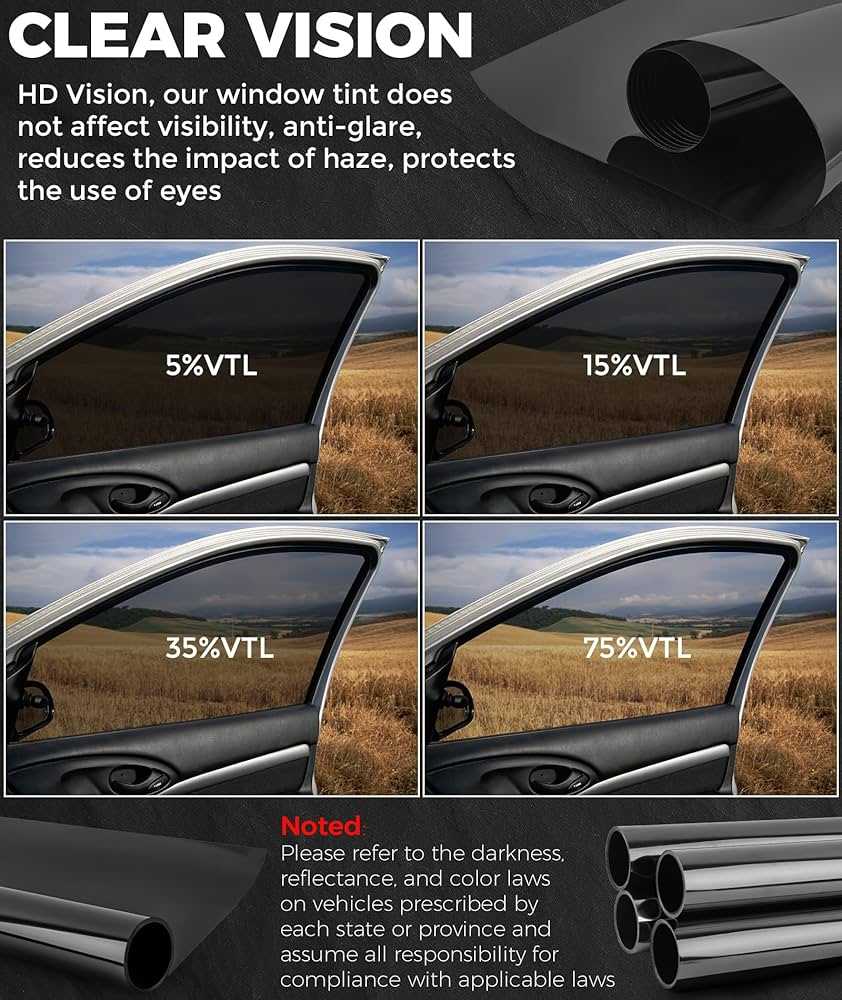
VLT refers to the amount of light that passes through the tinted glass. A high VLT percentage means more light gets through, making it easier to see. Conversely, a low VLT percentage indicates darker tint, which can limit your visibility, especially in low-light conditions.
For example, a tint with a 70% VLT allows most of the light to enter, ensuring clear vision. Meanwhile, a 5% VLT is very dark, which might make seeing in the dark or in rain more difficult.
The Effect of Darker Tints in Daylight and Night
During daytime, darker tints reduce glare and improve comfort, but they also slightly diminish visibility. At night, this reduction becomes more significant, potentially creating blind spots or making it harder to see obstacles or pedestrians behind you.
It’s important to balance the level of tint for both daytime comfort and nighttime safety. Excessively dark tints can obscure brake lights or hinder your ability to see other vehicles.
Lighting Conditions and Their Impact on Visibility
Visibility in Bright Sunlight
In bright sunlight, window tint helps reduce glare and prevents eyestrain. However, if the tint is very dark, it might cause difficulty in seeing through the glass clearly, especially if the glass is dirty or scratched.
Visibility During Overcast and Night Driving
Overcast days can make visibility slightly challenging even without tint. When tinted, the difficulty increases, especially if the tint is darker than recommended by local laws. At night, it’s crucial that the rear windshield is as clear as possible to see approaching vehicles, pedestrians, and road signs clearly.
Legal Regulations and Their Effect on Visibility
Understanding Local Laws on Tint Darkness
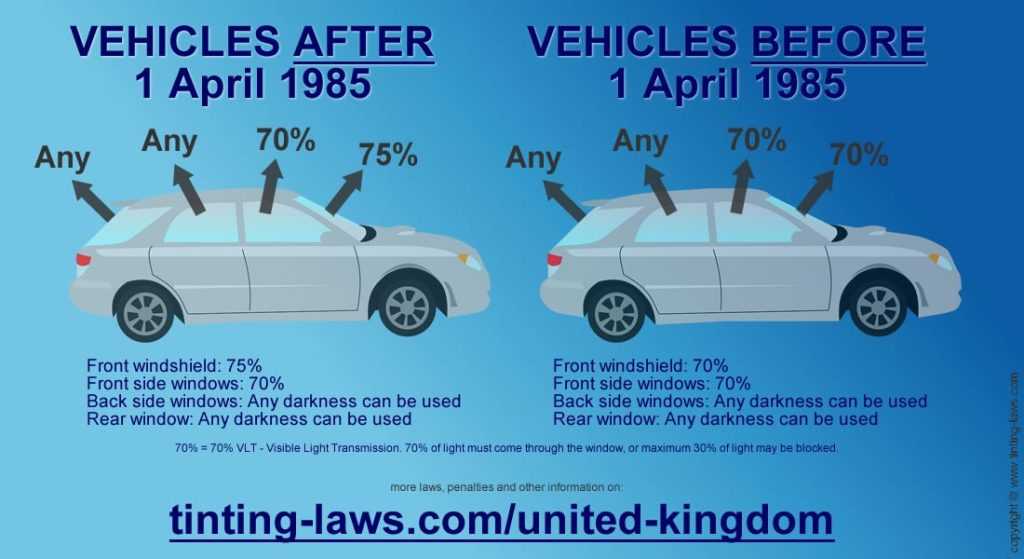
Many states and countries have laws regulating the maximum tint darkness allowed on the rear windshield. These rules aim to ensure safety by maintaining sufficient visibility. Violating these rules can lead to fines or the need to remove the tint.
Legal Tint Percentages and Recommendations
- Minimum VLT for Rear Windshield: Usually around 20% to 35%, depending on the region.
- Best Practice: Choose a tint that balances privacy with clear visibility, typically between 35% and 50% VLT.
Safety Considerations with Rear Windshield Tint
Impact on Rearview Visibility
Dark tints can obstruct your view through the rearview mirror, especially when backing up or changing lanes. To mitigate this, some vehicles come with radar or camera systems to assist with rear visibility.
Ensuring Clear Visibility for Safe Driving
It’s important to test how tinted your rear windshield is during different lighting conditions. If you notice difficulty in seeing behind the vehicle, consider adjusting or removing the tint for safety reasons.
Effects of Tint Quality and Installation
High-Quality vs. Low-Quality Tint Films
Premium tint films tend to be clearer and offer better UV protection. Cheaper films might fade over time or develop bubbles, which can further impair visibility. Quality installation also ensures that the tint adheres properly without distortions that could hinder vision.
Professional Installation and Its Benefits
Having a professional install your tint ensures it’s applied correctly. Proper installation minimizes air bubbles and distortion, maintaining good visibility while achieving desired privacy and heat reduction.
Additional Factors That Influence Visibility
Glass Condition and Its Role
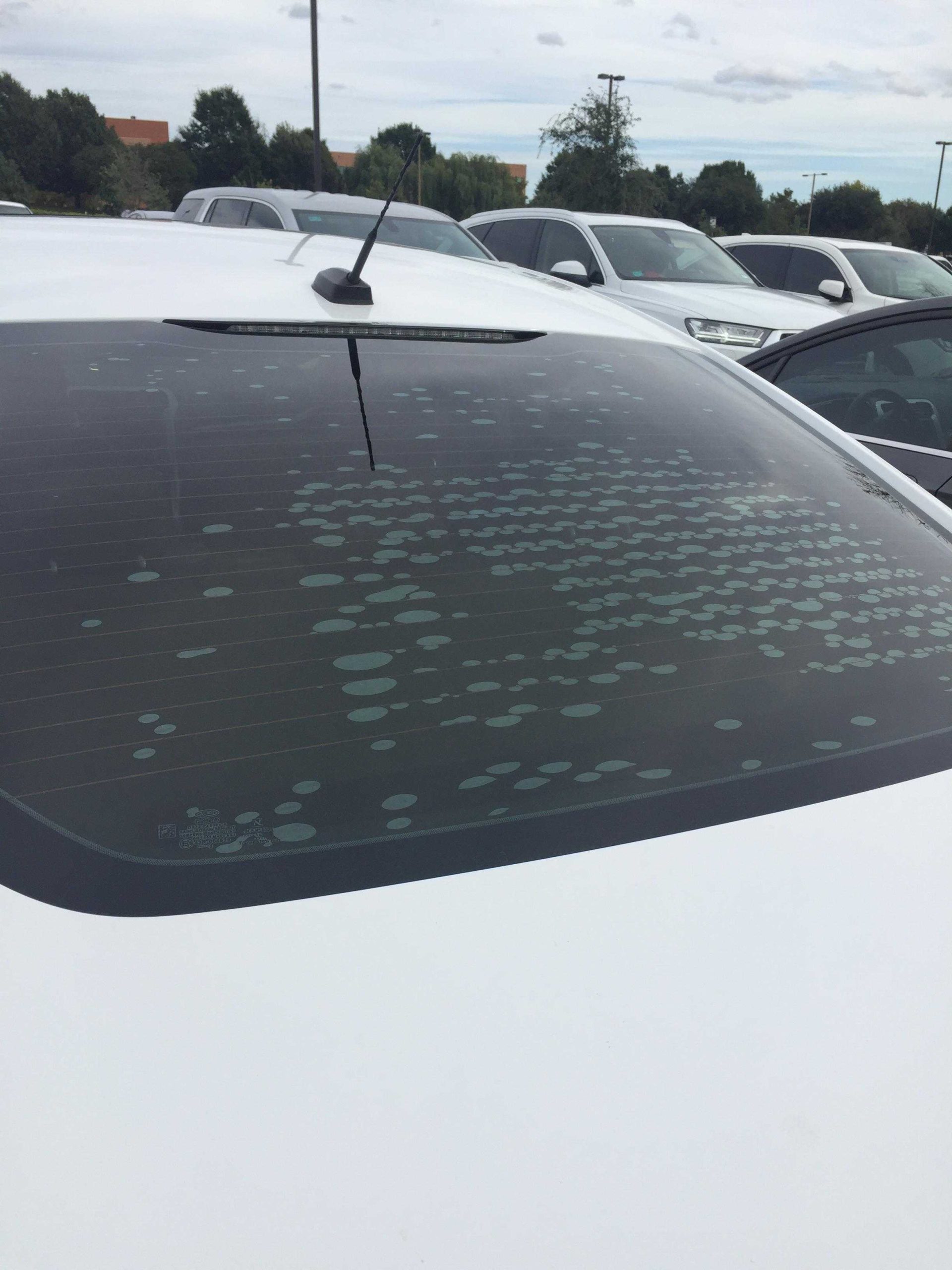
Dirty, scratched, or foggy rear windshield can reduce visibility regardless of tint darkness. Always keep your windows clean and well-maintained for maximum safety.
Use of Rearview Cameras and Sensors
Modern vehicles equipped with rearview cameras can compensate for reduced visibility caused by darker tints. These devices greatly enhance safety during reversing and parking maneuvers.
Balancing Tint Benefits and Visibility
Choosing the Right Tint for Your Needs
Assess your priority: privacy, heat reduction, or visibility. Opt for a tint shade that meets your needs while complying with local laws to ensure safety.
Tips for Maintaining Visibility with Tinted Rear Windshield
- Keep the glass clean and free of smudges or dirt.
- Avoid excessive tint darkness beyond legal limits.
- Regularly check for bubbles or peeling that could impair vision.
- Consider switching to lighter tint if you experience difficulties seeing at night.
Related Topics
Tint Removal and Replacement
If tint affects your visibility negatively, professional removal is a good option. You can then reapply a lighter tint or leave the glass clear.
Benefits of UV Protective Tints
UV protection reduces interior fading and skin exposure but does not significantly impact visibility if chosen within legal darkness levels.
Comparing Tinted and Non-Tinted Rear Windshields
Non-tinted glass provides the best visibility but less heat and glare protection. Tinted glass offers comfort benefits with a potential trade-off in clarity, especially if darker than recommended.
Day & Night Difference: Comparing Light vs Dark Windshield Tints
Frequently Asked Questions
How does rear windshield tint impact night driving visibility?
Rear windshield tint can reduce glare from headlights of vehicles behind you, which may enhance comfort during night driving. However, if the tint is too dark, it might diminish overall visibility in low-light conditions, making it harder to see pedestrians, road signs, or obstacles. Selecting a tint with appropriate light transmission levels can help maintain clear vision during nighttime driving.
Does the type of tint material influence visibility through the rear windshield?
Yes, different tint materials have varying levels of transparency and reflectivity. For instance, dyed tints may slightly reduce clarity, while ceramic or carbon tints typically offer better visibility. Choosing high-quality materials ensures that your rearview remains clear without compromising the effectiveness of the tint in blocking UV rays and heat.

Similar Posts